
Book direct
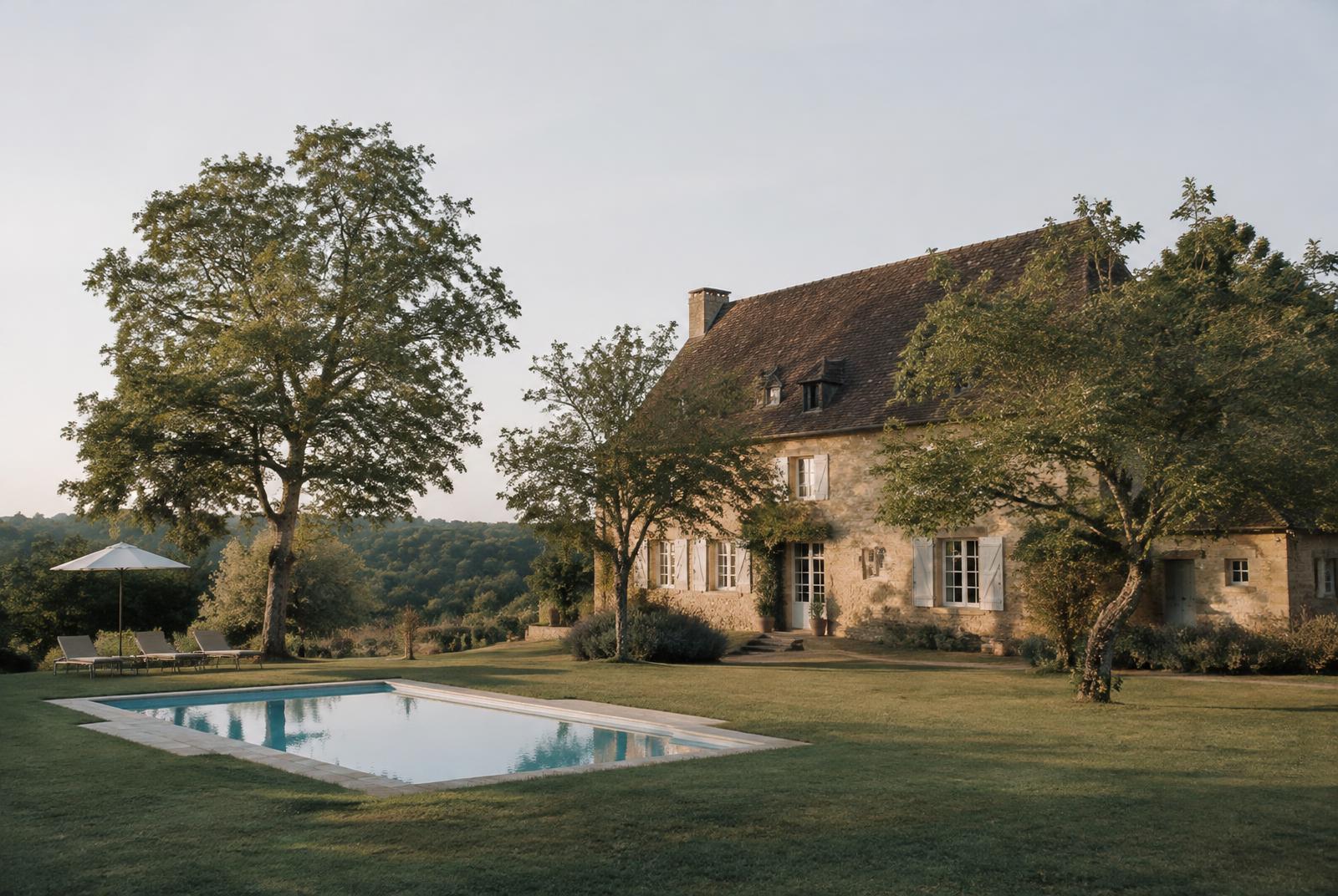
Villa Périgord
Saint-Vincent-de-Cosse · 50 km drive
A great base for river days, castles and Sarlat.
View propertytown · Périgord Noir
Terrasson-Lavilledieu is a working town on the Vézère, with an elevated old quarter, a medieval bridge and the Jardins de l’Imaginaire. It makes a practical base for the eastern Dordogne and neighbouring Corrèze.
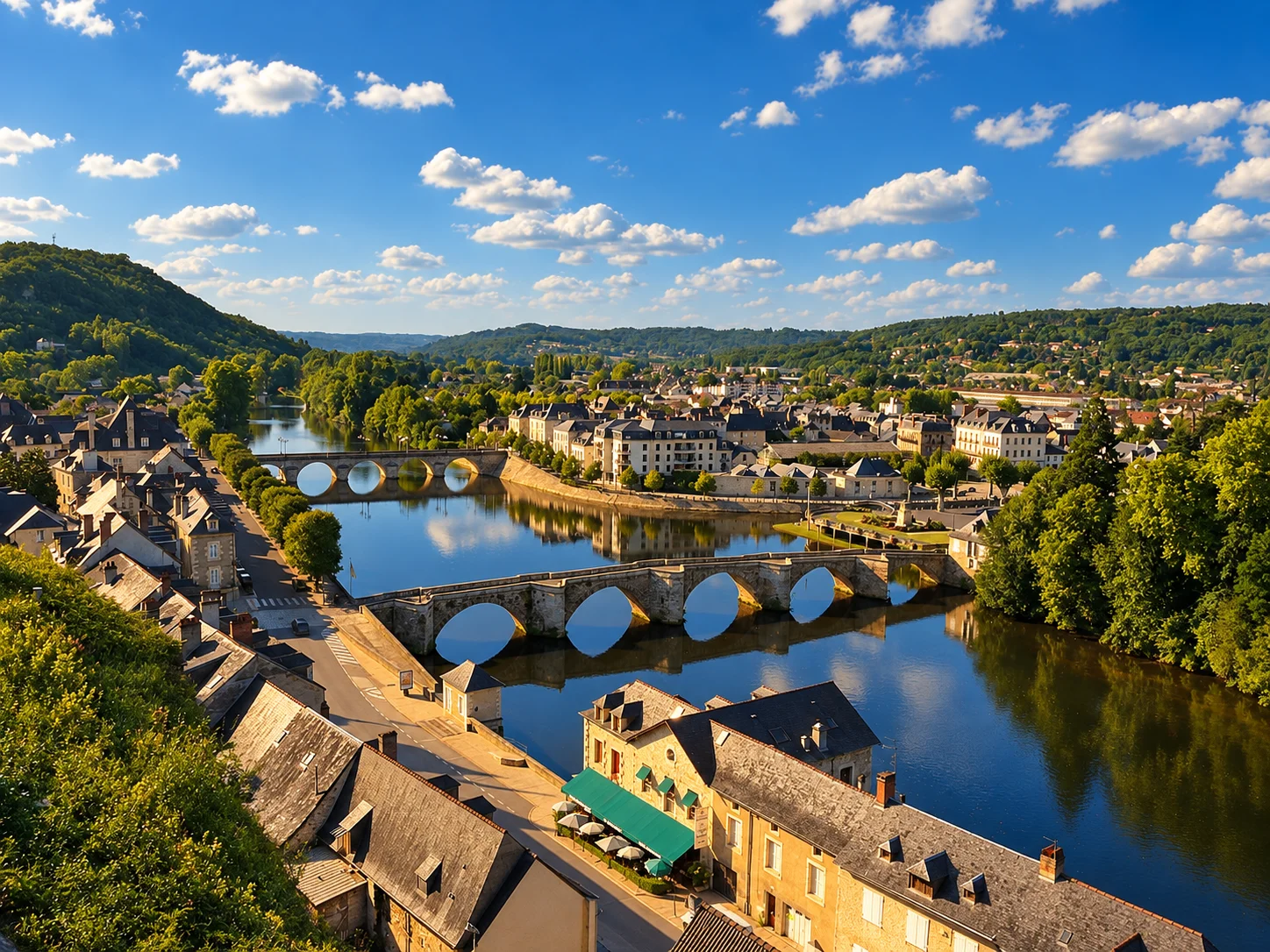
Terrasson, officially Terrasson-Lavilledieu, has two distinct faces. Beside the Vézère it is an everyday town of shops, river crossings and a Thursday market. Above the river, stone houses gather around Église Saint-Sour, with narrow streets, stepped passages and views over the roofs. The Pont Vieux joins those two impressions in a single view.
Choose Terrasson as a base if you want to explore the eastern Dordogne without making every day revolve around Sarlat. Montignac-Lascaux and the Vézère valley lie to the south-west, while Brive and Corrèze are within easy reach to the east. It is less central for the châteaux around Beynac and Castelnaud, so those outings need a more deliberate day plan.
Where to stayBook direct
Saint-Vincent-de-Cosse · 50 km drive
A great base for river days, castles and Sarlat.
View property
Sarlat-la-Canéda · 35 km drive
Watch the Sarlat market from your window.
View propertyOwners
List directly with Dordogne Direct and hear from guests yourself. No commission and no guest service fees.
List your propertyStart beside the Vézère rather than driving straight into the upper quarter. The Pont Vieux is the pedestrian crossing and the best reference point for understanding the town. The Pont Neuf carries road traffic across the river nearby. From the lower streets, the old town rises towards Place Bouquier and Église Saint-Sour.
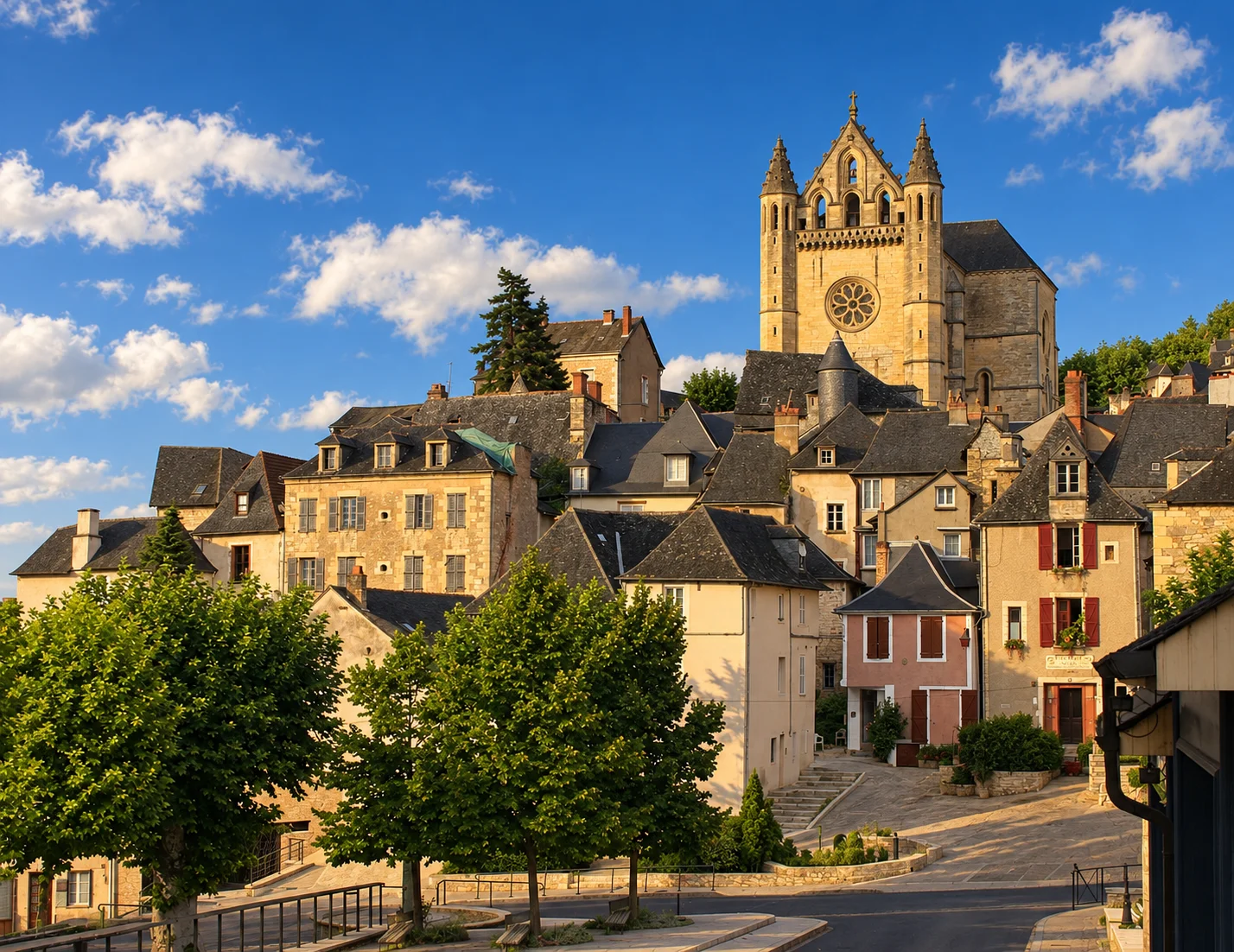
Place Bouquier is the useful hinge of an old-town walk, with the Jardins de l’Imaginaire entrance close by. Continue upwards and around the church rather than treating the square as the end of the climb. Rue de la Marzelle is one of the named streets to look for as you explore the historic quarter.
Visitors who come only for the gardens can miss the church terraces and the lanes between the upper town and the river. Conversely, a riverside stop alone gives little sense of how steeply the old settlement is stacked above the Vézère. Allow time for both levels.
The town works best as a walk with one substantial garden visit, rather than a succession of indoor sights. Its strongest feature is the way the bridge, hillside houses and church fit together.
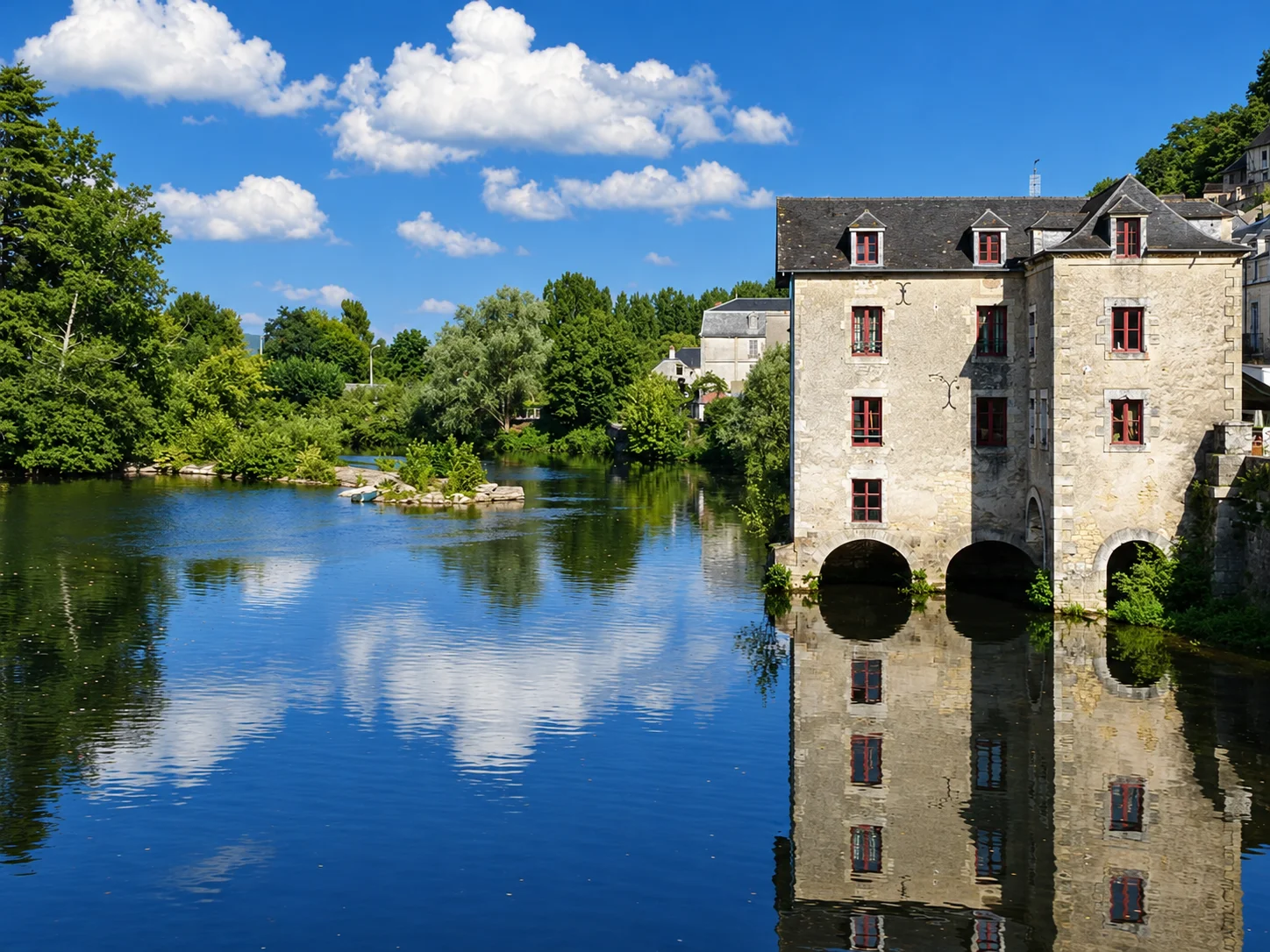
Terrasson’s religious origins are associated with Saint Sour, a sixth-century hermit around whom a monastic settlement developed. The elevated church quarter preserves that relationship between religious authority and the hillside, even though the buildings you see are much later.
The Vézère brought movement and trade, while the bridge made Terrasson a crossing place rather than simply a settlement beside the water. That helps explain the town’s two levels: the religious and historic quarter above, with commerce and routes through the valley below.
The church suffered during the Wars of Religion and underwent substantial nineteenth-century restoration. The present commune’s name also records a more recent change: Terrasson and Lavilledieu united in 1963. The Jardins de l’Imaginaire added a deliberately contemporary layer in the 1990s rather than trying to recreate an older garden.
Terrasson has a good choice for a town of its size, including cafés, straightforward lunches and restaurants serving regional cooking. Look in the lower town as well as the old quarter: the streets with the best views are not the whole dining scene.
Duck confit, foie gras, walnut-based dishes and potatoes cooked in duck fat are familiar Périgord staples. You may also find Limousin beef, reflecting the town’s position close to Corrèze. For a lighter day, the bakeries and food shops make it easy to assemble a picnic rather than sit down for a full meal.
Morning market: Thursday (year-round). The market is a useful reason to spend the morning in the lower town before climbing into the historic quarter.
For a self-catering stay, use it alongside the permanent food shops rather than as your only chance to buy supplies. Seasonal produce, cheese and regional foods are the things to look for, with the selection varying through the year.
Terrasson is a proper supply town, not a village where you need to drive elsewhere for every purchase. You have bakeries, food shops, supermarkets, pharmacies and cash machines. The larger food-shopping options are in the lower town and along the main road approaches rather than among the steep historic lanes.
You can do a normal self-catering shop here without going to Brive. Brive is the larger centre for a wider range of specialist shops, but it need not be part of your everyday routine.
Allow half a day to cross the Pont Vieux, explore the upper quarter and stop for something to eat. Including the Jardins de l’Imaginaire makes this a longer visit, particularly if you prefer not to hurry the climb or the garden route.
The old town has slopes, steps and uneven surfaces. A riverside walk is the easier option if climbing is difficult, but it does not provide equivalent access to the upper sights. For a garden visit, check the route’s suitability for your own mobility needs.
Terrasson has a railway station on the Brive–Périgueux route, but a car is much more useful for a stay built around surrounding villages and countryside sights. As a base, its strength is the eastern Dordogne and Corrèze rather than repeated journeys to the southern Dordogne valley.
Montignac-Lascaux is the most natural next stop for a Vézère valley day. Combine its riverside streets with Lascaux IV, the interpretation centre containing a full-scale reproduction of the decorated cave. Give the cave art enough time rather than adding it as a brief stop between towns.
Continue towards Saint-Léon-sur-Vézère if you want a village walk and another stretch of the river. Sarlat-la-Canéda works better as a separate outing, especially if you want time to explore its lanes rather than just walk through the centre.
Looking east, Brive-la-Gaillarde offers a different kind of day, with a larger town centre and broader shopping. This choice between the Vézère valley and Corrèze is one of the practical reasons to stay around Terrasson.
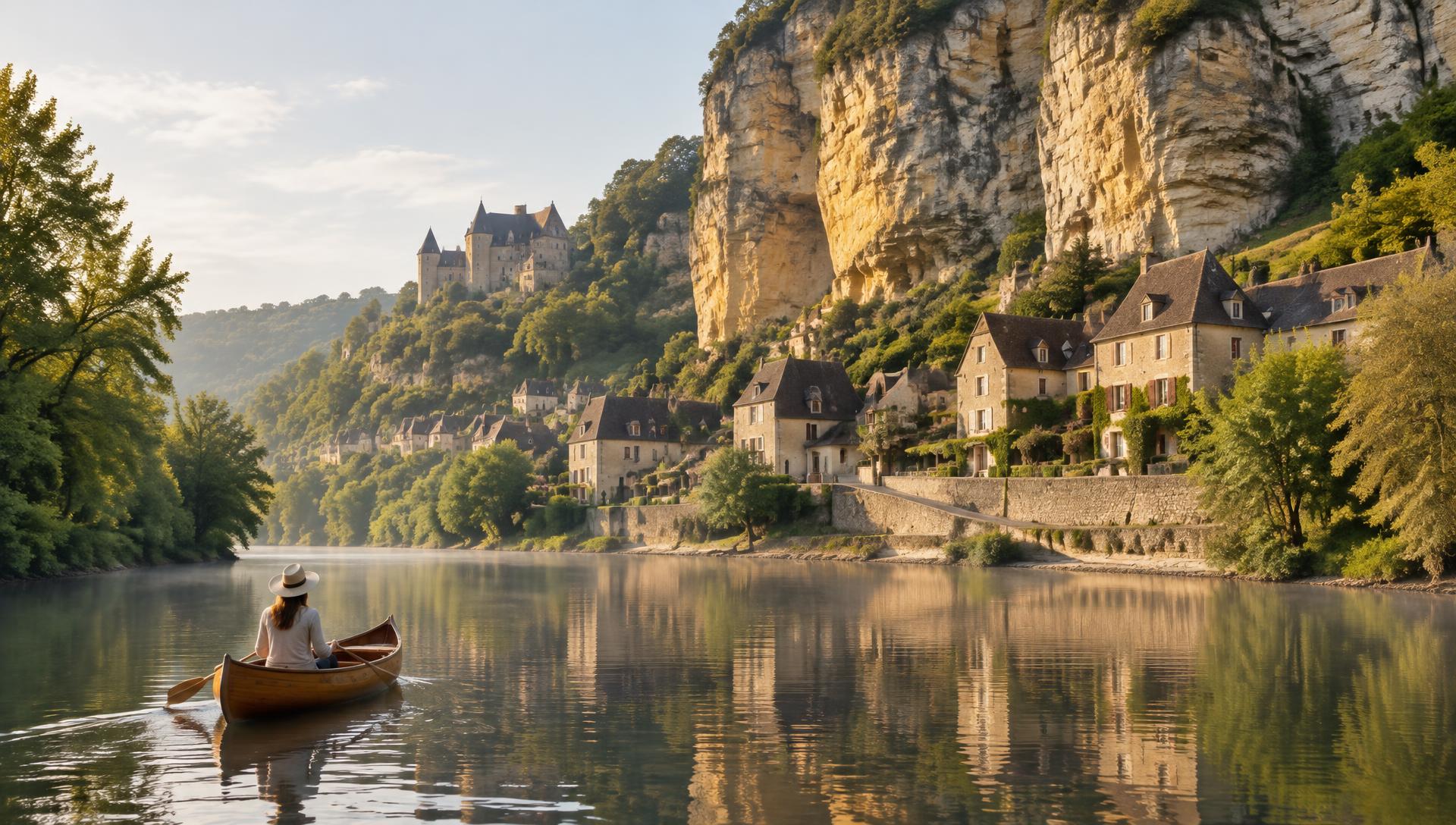
Town · Périgord Noir
Montignac-Lascaux is a riverside town in the Périgord Noir, best known for Lascaux and useful as a base for exploring the Vézère valley.
Prehistory · Périgord Noir
The International Centre for Cave Art at Montignac, with a full-size replica of the Lascaux cave paintings.
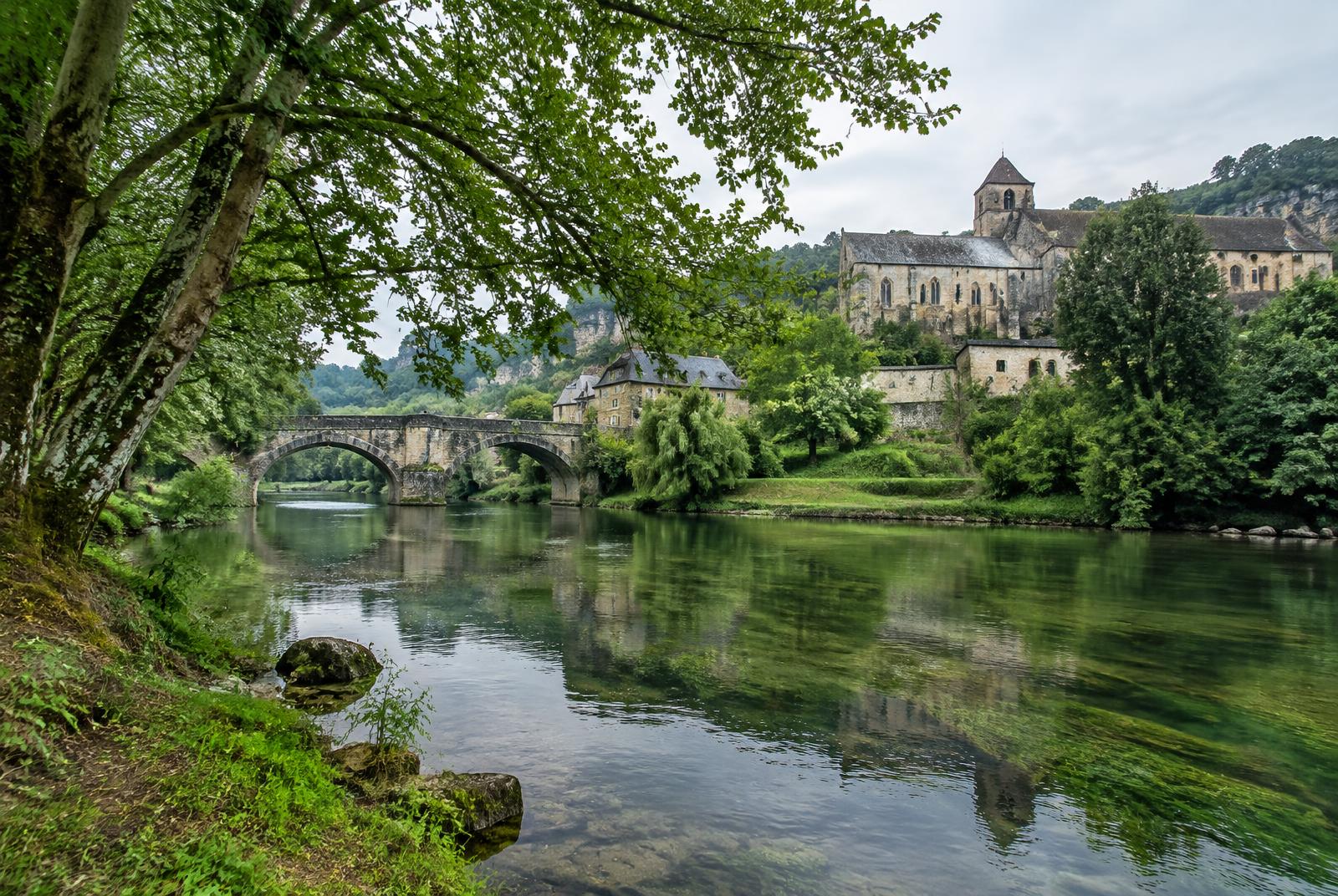
Village · Périgord Noir
A quiet riverside village on a bend of the Vézère, with a Romanesque church and two châteaux.
Yes. Terrasson is the usual shortened name for Terrasson-Lavilledieu, the commune formed by the union of Terrasson and Lavilledieu in 1963.
Morning market: Thursday (year-round).
Yes, particularly for the combination of the Pont Vieux, the hillside old town and the Jardins de l’Imaginaire. Allow half a day for the town or longer with the gardens and lunch.
It is a practical base for Montignac-Lascaux, the Vézère valley and trips into Corrèze, with enough shops for everyday self-catering. It is less central if most of your plans involve Beynac, Domme and the southern Dordogne valley.
Choose the town if walking to shops and restaurants matters, checking the slope between the property and the lower streets. Choose the surrounding countryside if outdoor space matters more and you are happy to drive. The Where to stay block brings together direct-from-owner properties in and around Terrasson.
Opening times, prices and parking change. Check before you travel: Dordogne Périgord Tourism.