

Book direct
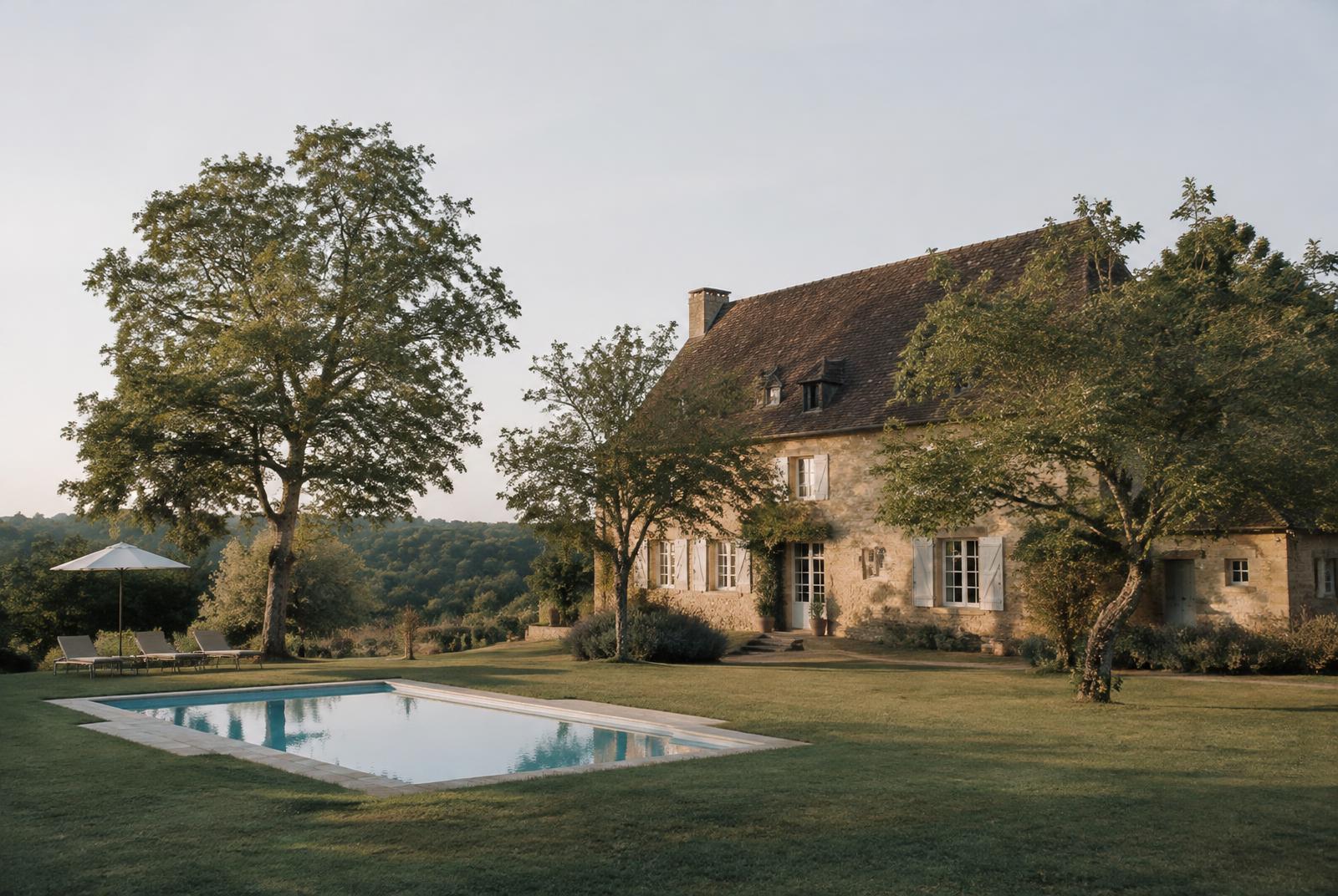
Villa Périgord
Saint-Vincent-de-Cosse · 10 km away
A great base for river days, castles and Sarlat.
View propertyMedieval market town · Périgord Noir
The medieval capital of the Périgord Noir, with honey-coloured stone lanes and one of the region's best-known markets.
Sarlat-la-Canéda is the capital of the Périgord Noir and the town most visitors to the Dordogne see first. Its old centre is a dense knot of golden limestone houses, steep stone-tiled roofs, courtyards and narrow lanes, almost all of it built between the late Middle Ages and the seventeenth century.
It is a working town as well as a monument. People live above the shops, the market still feeds the surrounding villages and in winter the squares can be close to empty. In July and August it is one of the busiest places in the department, so timing matters more here than almost anywhere else nearby.
Where to stayBook direct
Saint-Vincent-de-Cosse · 10 km away
A great base for river days, castles and Sarlat.
View property
Sarlat-la-Canéda · 1 km away
Watch the Sarlat market from your window.
View propertyOwners
List directly with Dordogne Direct and hear from guests yourself. No commission and no guest service fees.
List your propertyA straight nineteenth-century road, the Rue de la République, known locally as the Traverse, cuts the old town in two from north to south. It carries traffic and most of the everyday shops, and it is the easiest line to find your way back to.
The larger eastern half holds most of what visitors come for: the cathedral, the Place de la Liberté, the Place des Oies and the densest network of lanes. The western half is quieter and more residential, with steep alleys climbing the hillside. Many people never cross the Traverse, and miss some of the most atmospheric streets as a result.
The pleasure of Sarlat is the whole townscape rather than any single building, but a handful of places give the walk a shape.
Sarlat prospered in the late Middle Ages and was largely rebuilt after the Hundred Years War, which explains the concentration of fifteenth and sixteenth century houses. It then slipped into relative decline, and the lack of money for modernisation preserved the medieval street pattern.
In the 1960s Sarlat became one of the first towns protected under the Malraux law, which created conservation areas for historic town centres in France. The restoration that followed, cleaning and repairing façades and roofs, is why the old town looks so complete today. The heavy roofs of limestone slabs, called lauzes, are characteristic of the Périgord Noir.
Sarlat sits at the centre of the Périgord Noir food tradition. On menus and market stalls you will see duck in every form, including confit, magret and foie gras, alongside walnuts, cèpes, strawberries in season and, in winter, black truffles.
Pommes de terre sarladaises, potatoes sautéed in duck fat with garlic and parsley, are the dish most associated with the town. Walnut cake and walnut liqueur are typical local specialities to take home.
Sarlat holds a market on Wednesday morning and a larger one on Saturday. The Wednesday market is mostly food and a good size for actually shopping. The Saturday market spreads across the squares and lanes of the old town, with food, flowers, clothes and crafts, and is the one people travel in for.
From late autumn into winter there are also seasonal markets for truffles and foie gras, which are an occasion in their own right. Dates and times for these seasonal markets vary year to year, so check with the tourist office before planning around them.
The old town is largely pedestrianised, and car parks sit around its edge. Car park locations, charges and seasonal arrangements change, so check the town's current parking information before you go rather than relying on older guides.
Early mornings and early evenings are the best times to see the town in summer, when the stone takes on its warmest colour and the lanes are quieter. Outside the holiday season, a weekday visit gives you the town almost to yourself, although some shops and restaurants close for the winter.
Many streets are cobbled and some are steep, which is worth knowing with pushchairs or limited mobility. The main squares and the Traverse are the easiest routes.
Sarlat has a market on Wednesday morning and a larger market on Saturday. Seasonal truffle and foie gras markets run in winter; check current dates with the tourist office.
Half a day is enough to walk the old town and see the main sights. Allow a full day on a Saturday if you want to enjoy the market and have lunch in town.
May, June, September and October offer long days with fewer crowds. In July and August visit early in the morning or in the evening.
Yes. Beynac, La Roque-Gageac, Domme, Castelnaud and the Jardins de Marqueyssac are all close, and the Vézère valley with Lascaux IV and Les Eyzies is within reach for a day out.
The old town is largely pedestrianised. Park around the edge of the centre and walk in. Check current parking arrangements before you travel.
Opening times, prices and parking change. Check before you travel: Sarlat-Périgord Noir tourist office.
Combine with
Village · Dordogne Valley
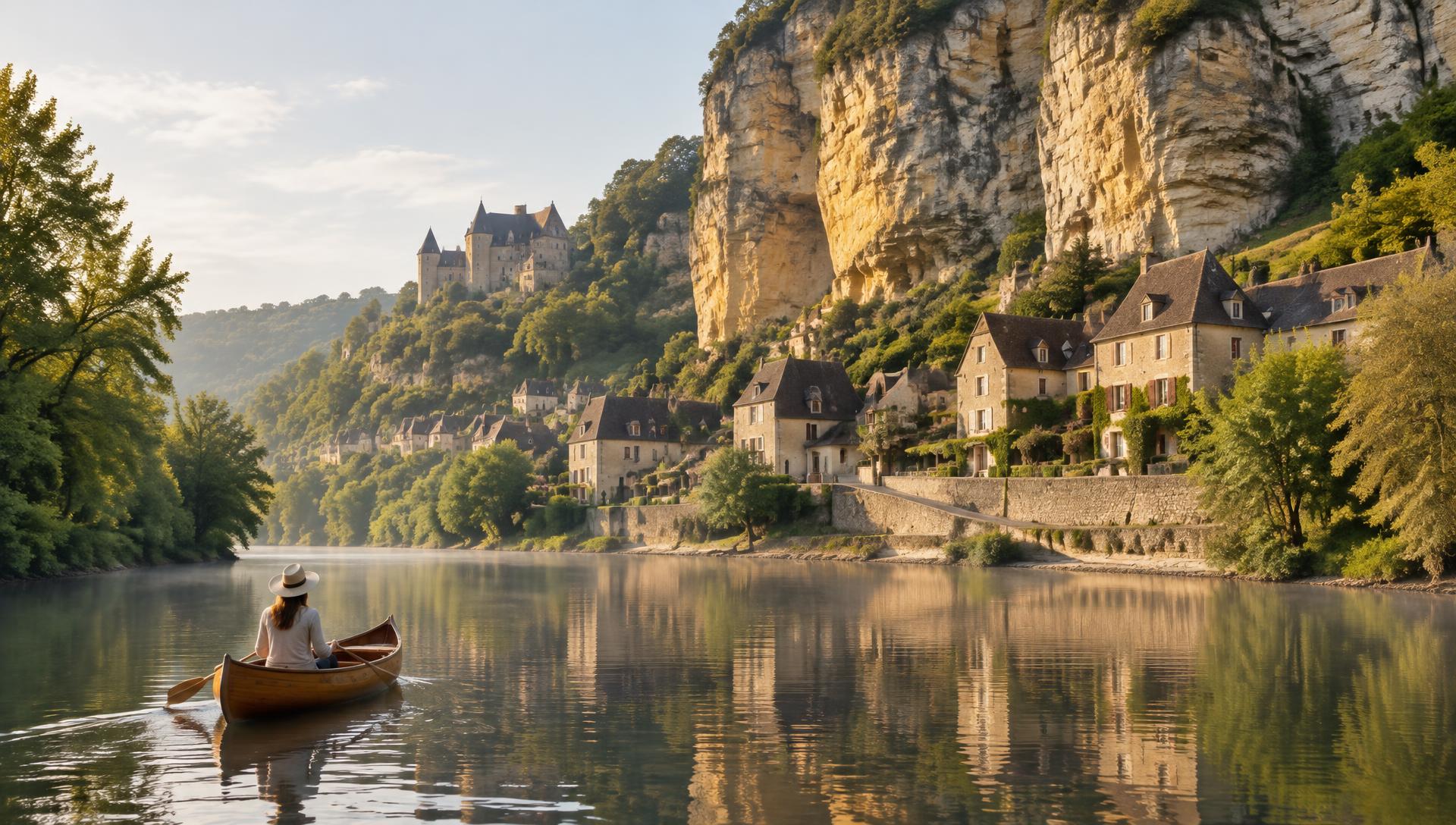
A riverside village climbing steeply to a castle on the cliff above the Dordogne.
Village · Dordogne Valley
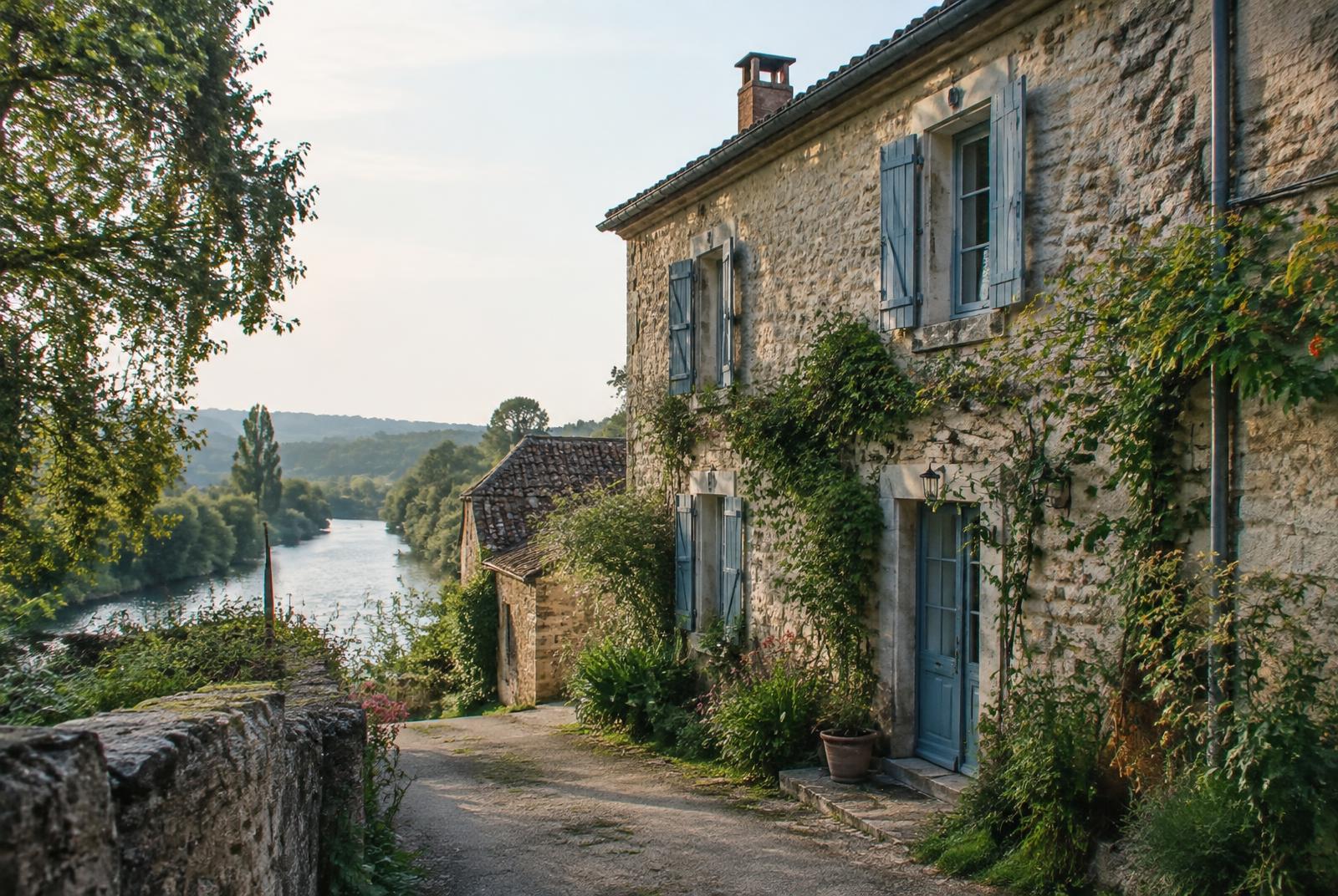
A village built in a narrow strip between the cliff and the river.
Bastide town · Dordogne Valley
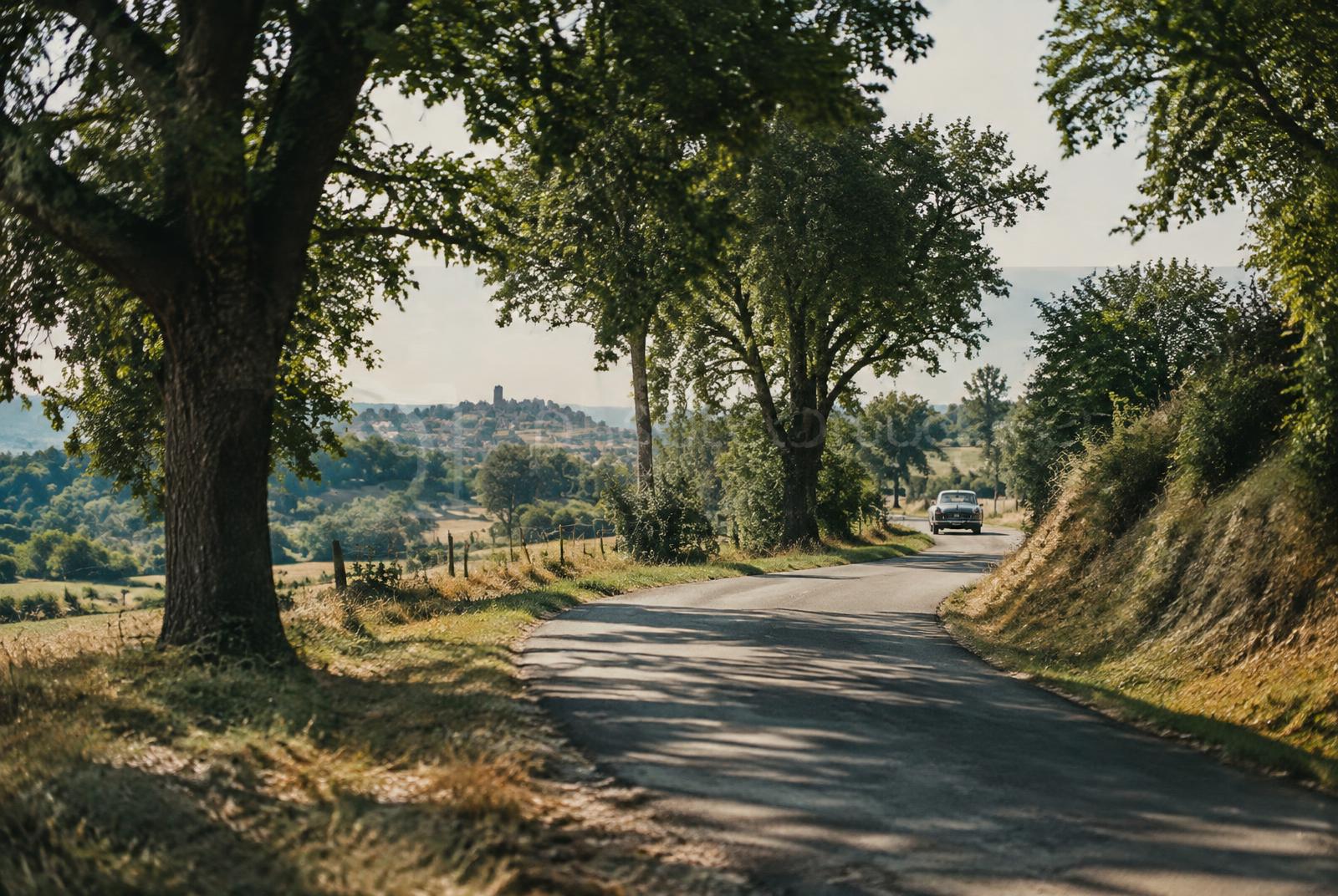
A fortified bastide on a clifftop, with one of the widest views over the Dordogne Valley.