
Book direct
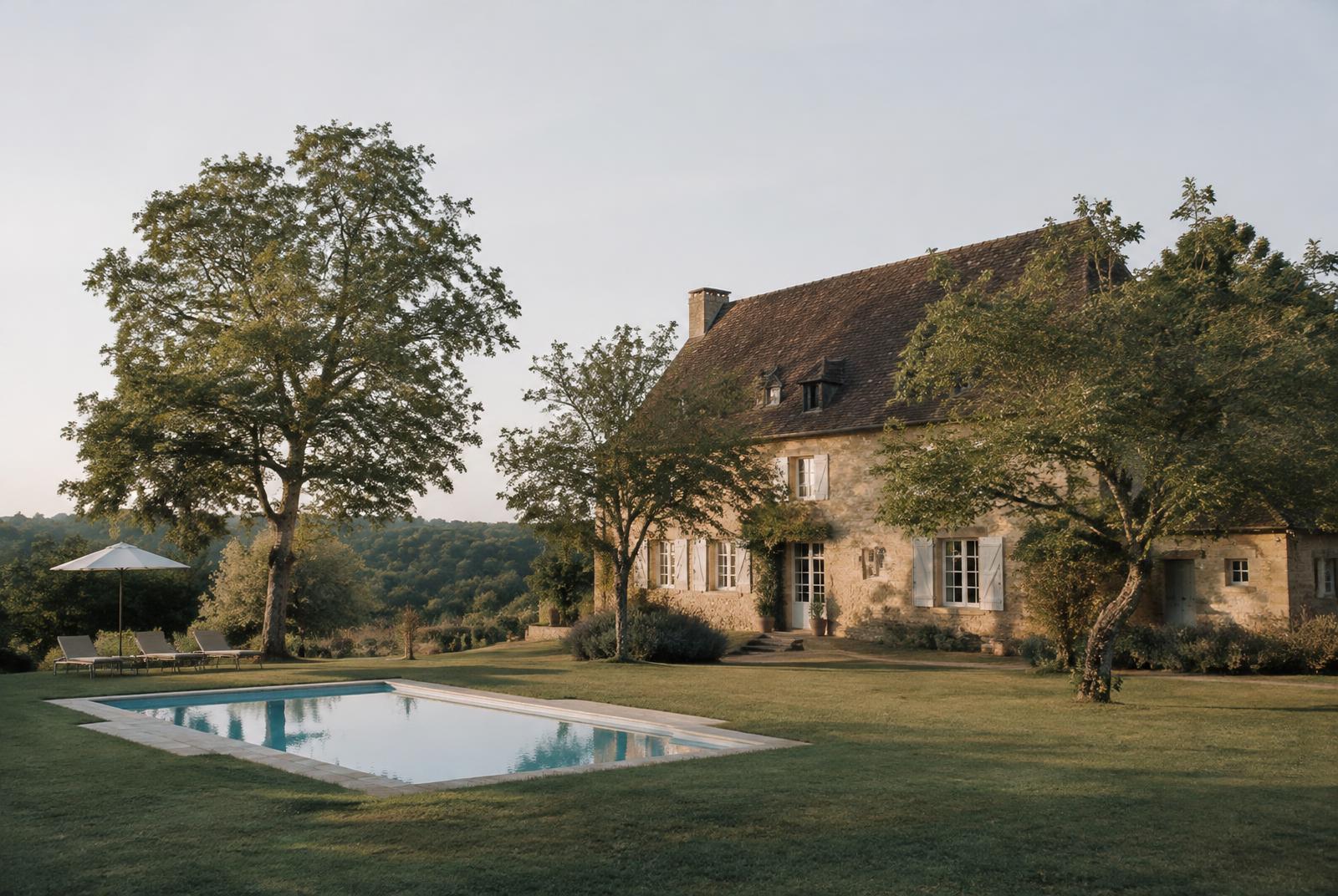
Villa Périgord
Saint-Vincent-de-Cosse · 37 km drive
A great base for river days, castles and Sarlat.
View propertytown · Périgord Pourpre
Lalinde is a small bastide on the Dordogne with a Thursday morning market, everyday shops and a canal-side walking route. It makes a practical base between Bergerac and the eastern Dordogne valleys.
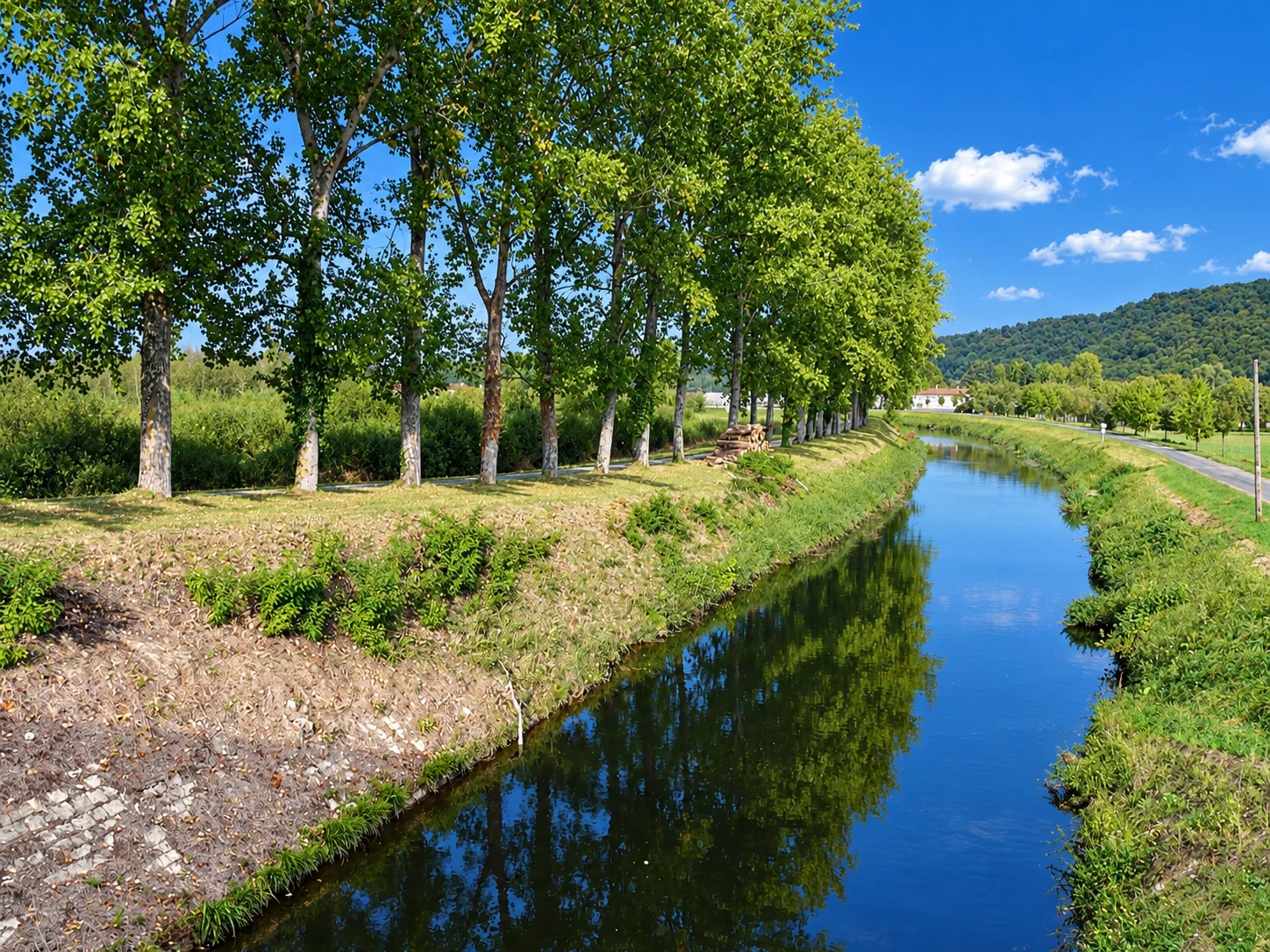
Lalinde is a working market town on the Dordogne, with a bastide square, a surviving medieval gateway and a canal built to bypass a difficult stretch of river. Its centre is small enough to explore without a fixed itinerary, but the river and canal give you reasons to walk beyond the shops.
As a base, Lalinde sits between Bergerac and the better-known visitor centres farther east. You have food shopping and places to eat in town, with wine country, bastides and the Dordogne valley within reach by car. Choose it for that balance rather than for a full day of monuments: the town itself is a relaxed half-day visit.
Where to stayBook direct
Saint-Vincent-de-Cosse · 37 km drive
A great base for river days, castles and Sarlat.
View property
Sarlat-la-Canéda · 52 km drive
Watch the Sarlat market from your window.
View propertyOwners
List directly with Dordogne Direct and hear from guests yourself. No commission and no guest service fees.
List your propertyPlace de la République is the centre of the bastide. The streets around it retain the regular layout of a planned medieval town, with Rue des Déportés forming an important shopping route. This is not a fully pedestrianised historic centre: everyday traffic is part of Lalinde, particularly along the through-road.
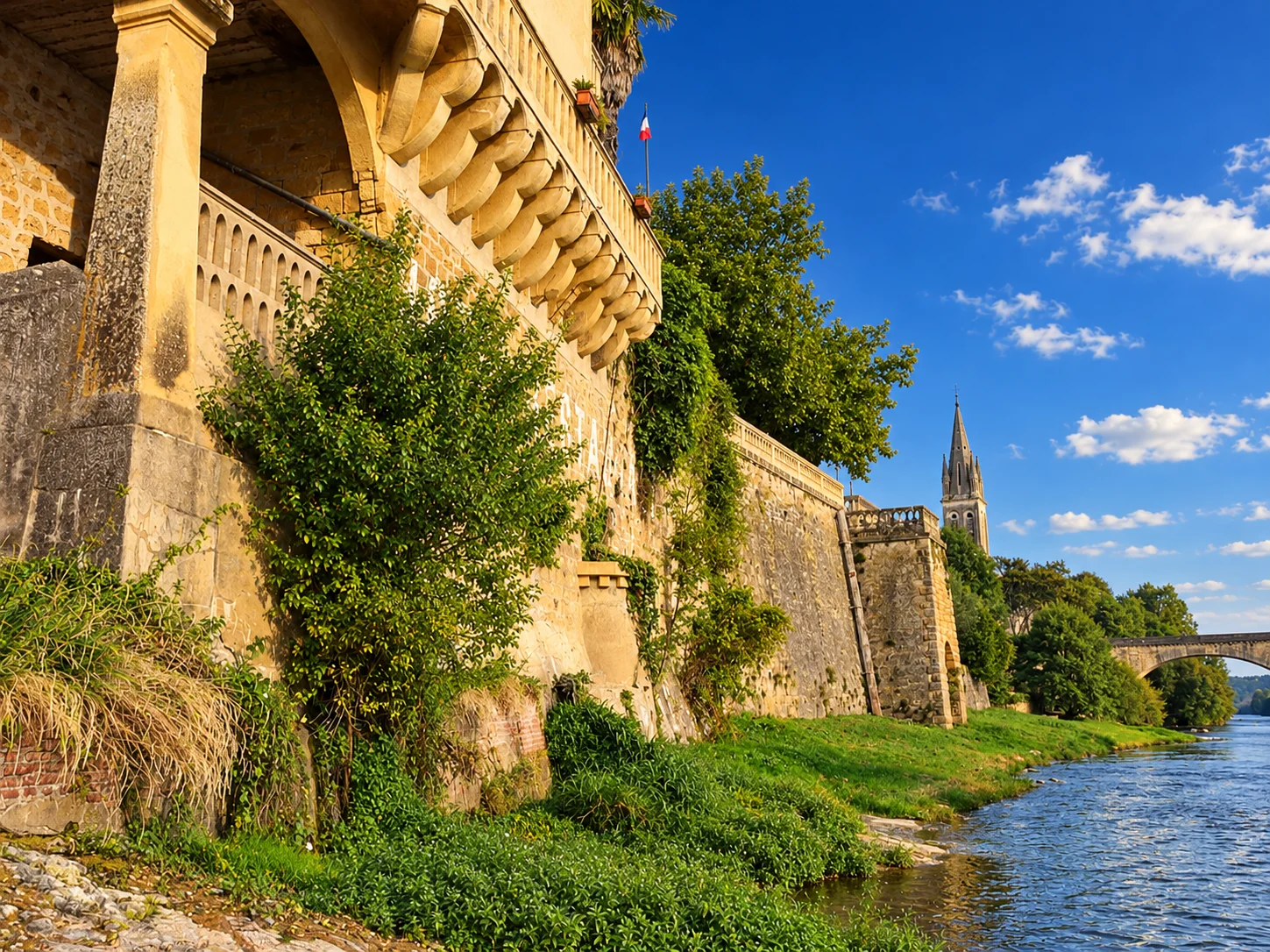
The Dordogne runs along the southern edge of town. Walk towards the Pont de Lalinde to understand how closely the bastide sits against the river; the bridge carries the road across towards Port-de-Couze and the routes south. Porte de Bergerac marks the western side of the old fortified centre.
The canal lies north of the main streets. Visitors who stop only for the square often miss the basin and towpath, which show a different side of Lalinde. Make a loop through the centre, towards the river and back by the canal rather than returning along the same shopping street.
Lalinde's interest is spread across a small area rather than concentrated in one major attraction. These five stops give you a useful first walk, with time afterwards for a longer stretch beside the canal.
Lalinde was founded in 1267 as an English bastide under the future Edward I, when this part of Aquitaine was under English rule. Its regular streets and central market square reflect that deliberate foundation: the town was laid out to attract inhabitants, organise trade and reinforce authority in the valley.
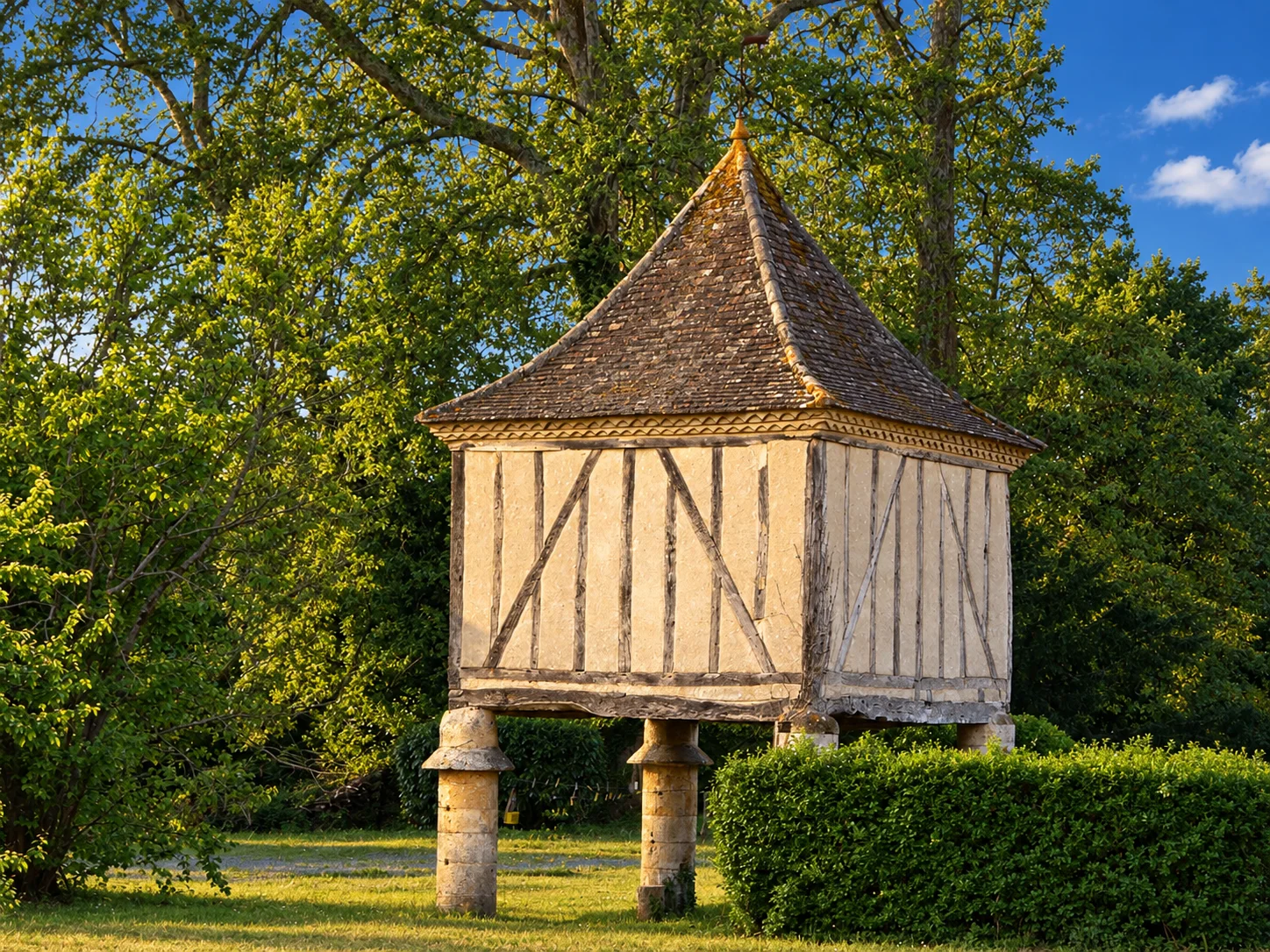
The river brought commerce but also danger. Navigation around Lalinde was difficult, and the Canal de Lalinde opened in 1843 to bypass hazardous stretches of the Dordogne between Mauzac and Tuilières. Its basin, banks and engineering works belong to a later chapter of the town's commercial history.
Rail transport eventually displaced much of that waterborne trade. What remains is a town with several distinct layers: a medieval plan, fragments of its defences, later buildings and a nineteenth-century transport corridor that now provides space for walking.
Lalinde has a useful choice of restaurants, cafés and informal places to eat for a town of its size. You can plan lunch or dinner in the centre without treating Bergerac as the default, although the choice is smaller than in the main visitor towns.
Regional menus draw on duck confit, magret, foie gras, walnuts and cèpes when in season. Bergerac wines are the natural local accompaniment. For a simpler meal, the town's bakeries and food shops are useful before a canal walk or a day out.
Lalinde's morning market takes place on Thursday, year-round. The square and surrounding centre become noticeably busier, making this the best morning to combine a walk around the bastide with food shopping.
For a self-catering stay, use it alongside the permanent shops rather than expecting every ingredient from a single stall. Seasonal fruit and vegetables, cheeses and regional produce are the things to look for.
Lalinde is a practical place for self-catering supplies, with bakeries, food shops, pharmacies and supermarket shopping in and around town. You do not need to drive to a larger centre for an ordinary grocery shop.
The central streets are useful for smaller purchases on foot, while the supermarkets suit a larger stock-up. Bergerac is the next step for a broader range of shops and larger retail areas, rather than a necessary trip for daily essentials.
Allow two to three hours for the square, gateway, river and a short canal walk. Thursday morning can comfortably fill half a day once you add shopping and lunch. The centre is relatively level, but traffic, kerbs and uneven surfaces still matter if you have limited mobility.
Lalinde has a railway station on the Bordeaux - Bergerac - Sarlat line, so a visit without a car is possible. For a longer stay, a car makes a substantial difference: many villages, countryside properties and smaller attractions are not conveniently connected by public transport.
The town works especially well if your plans mix Bergerac and its vineyards with visits farther east. It is less convenient if you intend to spend every day around Sarlat, and a canal-side walk should not be confused with a riverside beach visit. Check current transport timetables, attraction opening times and local parking arrangements with the official sources before travelling.
Couze-et-Saint-Front is a natural short outing from Lalinde. The Moulin de la Rouzique explains the area's papermaking history through a surviving watermill, giving useful context to the working valley beyond its castles and villages. Trémolat makes another manageable pairing for a village stop and a look at the Dordogne's broad bends.
For a longer day, choose one direction. Head west to Bergerac for its old streets and riverfront, or south to Monpazier to compare Lalinde's working centre with a particularly complete bastide layout. Cadouin offers a different emphasis again, with the Abbaye de Cadouin and its richly carved cloister.
Beynac and the central Dordogne valley are possible outings, but they deserve time of their own. Avoid trying to combine Bergerac, Monpazier and the eastern château country into one day simply because Lalinde sits between them.
Abbey · Périgord Pourpre
A Romanesque abbey church and richly carved late Gothic cloister in the centre of Cadouin, with a pilgrimage history shaped by a cloth once believed to be Christ’s shroud.
village · Périgord Noir
Limeuil is a steep riverside village at the meeting of the Dordogne and Vézère, with an upper medieval centre, panoramic gardens and useful access to both valleys.
town · Périgord Pourpre
Le Buisson-de-Cadouin is a practical Dordogne base with a railway station, everyday shops and a Friday market. Its wider commune includes Cadouin and its medieval abbey, alongside caves, gardens and quieter settlements near the river.
Yes, for a small riverside bastide with a market square, medieval gateway and canal walk. It is best approached as a relaxed half-day stop or a useful base, rather than somewhere with a full day's worth of major attractions.
Morning market: Thursday (year-round).
Walk around Place de la République, find Porte de Bergerac, see the river from Pont de Lalinde and follow the canal from its basin. Add the Thursday morning market if your dates fit.
Choose the centre if walking to shops and restaurants matters most. Gîtes, holiday cottages and villas in the surrounding countryside can offer more outdoor space but usually make a car important. The Where to stay block focuses on direct-from-owner properties in and around Lalinde; compare the exact location rather than relying on the town name in an address.
Yes. Lalinde has a station on the Bordeaux - Bergerac - Sarlat railway line, and the centre is walkable. A car is more useful for a longer stay involving rural properties, vineyards and villages away from the railway.
Opening times, prices and parking change. Check before you travel: Dordogne Périgord tourism, TER Nouvelle-Aquitaine.