
Book direct
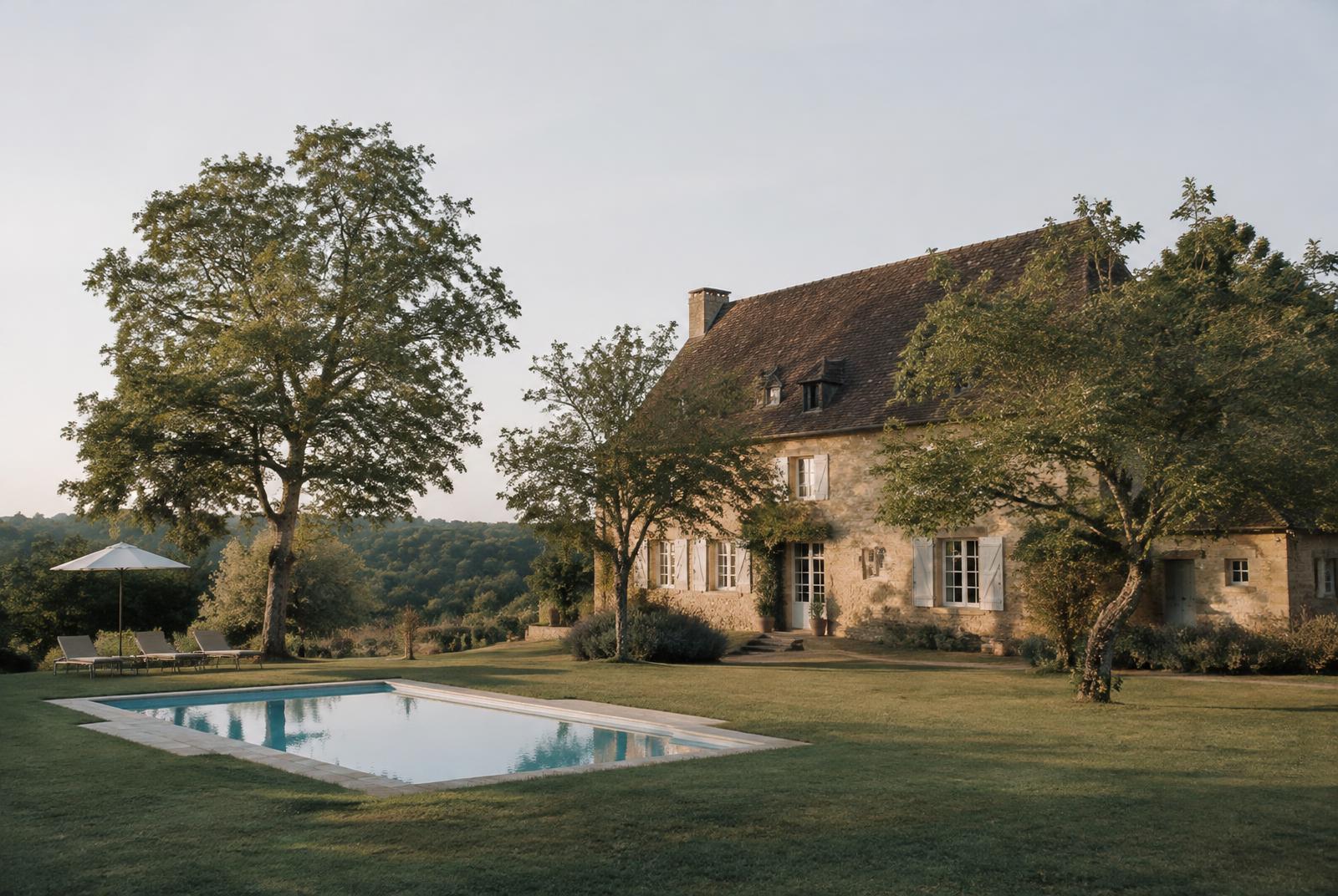
Villa Périgord
Saint-Vincent-de-Cosse · 100 km drive
A great base for river days, castles and Sarlat.
View propertyvillage · Périgord Vert
Jumilhac-le-Grand is a village in the Périgord Vert, set above the Isle valley and dominated by a château with an unusually elaborate roofline. It suits a quieter countryside stay, with village essentials close by and northern Dordogne excursions best made by car.
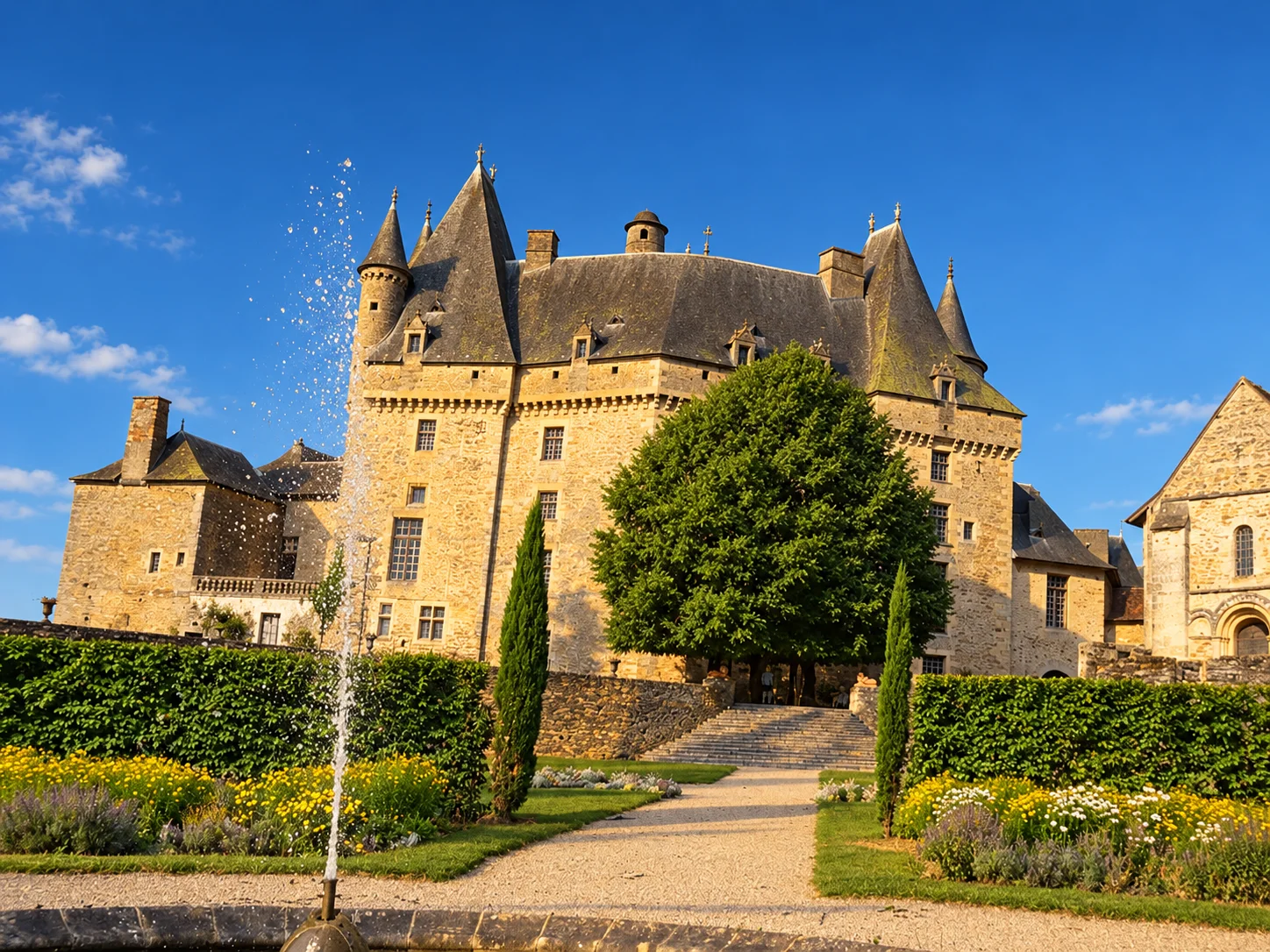
Jumilhac-le-Grand sits above the Isle in the north-eastern Dordogne, where the Périgord Vert meets the wooded country of the Limousin. Its château is the first thing you notice: a broad stone frontage topped by a busy skyline of turrets, steep roofs and decorative finials. The village around it is much smaller and more everyday than that grand entrance suggests.
Come for a château visit and a walk, or use the village as a quieter base for this less densely visited part of the Dordogne. You have a morning market, basic shopping and places to eat without the range of a larger town. A car makes the difference here, both for practical errands and for exploring towards Thiviers, Saint-Yrieix-la-Perche and the surrounding countryside.
Where to stayBook direct
Saint-Vincent-de-Cosse · 100 km drive
A great base for river days, castles and Sarlat.
View property
Sarlat-la-Canéda · 84 km drive
Watch the Sarlat market from your window.
View propertyOwners
List directly with Dordogne Direct and hear from guests yourself. No commission and no guest service fees.
List your propertyStart at Place du Château. The château occupies the commanding side of this open space, while the village streets lead away towards houses, shops and the church. The centre is compact enough to explore on foot without a fixed route, and the square is the easiest place to return to.
The Isle runs below the village rather than alongside its main square. Reaching the river crossing means leaving the upper centre and descending into the valley, so a riverside walk involves a climb back. The distinction matters if you are visiting with a pushchair or have limited mobility.
Visitors who arrive for a château tour often see little beyond its frontage. Allow time for the area around Saint-Martin church and, if you want a longer walk, the wooded slopes below. They give a better sense of Jumilhac as a lived-in village above a river, rather than simply the setting for a large house.
The château is the main reason to make a dedicated visit. The other sights are close companions to it, not a long checklist of separate attractions. Leave enough time to look at the building from the square before going inside.
The château's appearance comes from several building periods rather than a single grand design. Its medieval origins explain the defensive towers and commanding position above the Isle. Renaissance and seventeenth-century alterations turned that fortified site into a residence intended to express wealth and status.
Antoine Chapelle, whose fortune was associated with metalworking, acquired Jumilhac in the late sixteenth century. The family and its successors developed the house into the more elaborate building you see today. Looking from the square, you can read the contrast between the substantial stone structure below and the increasingly decorative skyline above.
Gold is another thread in the local story. The wider Isle country has a long history of gold working and prospecting, and that association informs the château gardens' themes. The symbolism of alchemy belongs to the interpretation of the site, not proof of the more colourful legends sometimes attached to it.
Jumilhac has a small choice of places to eat in the village, enough to make lunch part of a visit but not the variety you would find in Thiviers or Saint-Yrieix-la-Perche. If you stay for several nights, expect to mix meals out with self-catering or trips farther afield.
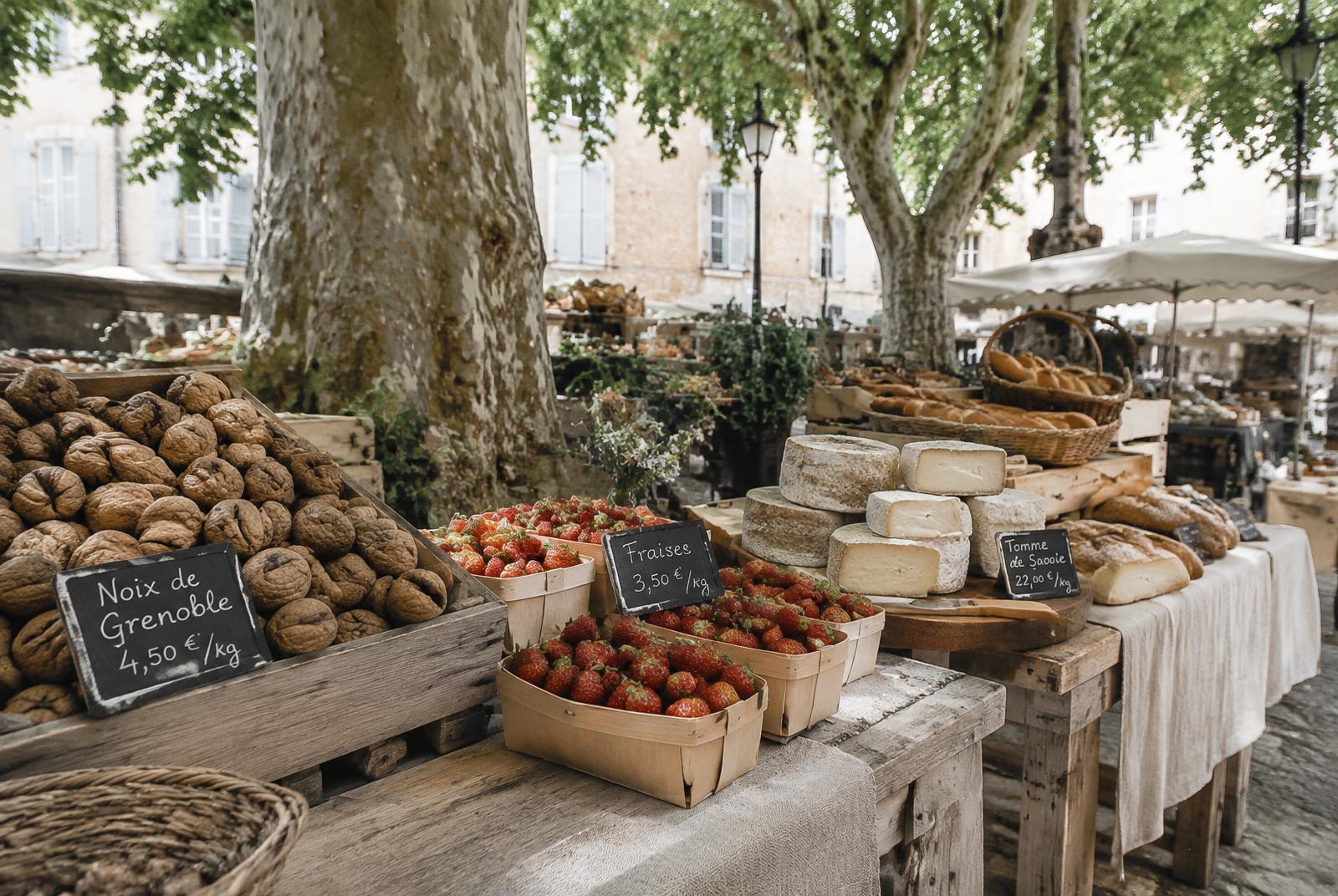
Look for the food of the northern Périgord and neighbouring Limousin: duck, pâtés, walnuts, seasonal mushrooms and Limousin beef. These are regional specialities rather than a promise that every village menu will feature them.
Morning market: Wednesday (year-round). It is a useful day to combine a village visit with buying food for your stay, but think of it as a village market rather than a large regional shopping outing.
For another nearby market, La Coquille has its market on Thursday. For a substantial grocery shop, use the larger-town options rather than relying entirely on the number of stalls present.
You can buy bread and basic groceries in Jumilhac-le-Grand, making it practical for everyday self-catering top-ups. The village also has a pharmacy. This is village-scale provision, not a broad shopping centre.
For a fuller supermarket shop, use Saint-Yrieix-la-Perche or Thiviers. If you are staying outside the centre, pick up essentials while passing through: the commune includes countryside and hamlets well beyond the walkable village.
A half-day gives you a sensible framework for the château, village and a pause for lunch or coffee. Add more time if you want to descend into the valley. The square and the river are at different levels, and a short-looking route on a map can involve a noticeable slope.
For a longer stay, choose Jumilhac for woodland, smaller settlements and outings across the Dordogne–Haute-Vienne boundary. It is less convenient if most of your plans revolve around the Dordogne valley castles or Sarlat. A car is the practical choice for exploring and for reaching the larger shops.
Before setting out, check current château visiting arrangements, garden access and local business opening times with the official visitor information sources.
Saint-Yrieix-la-Perche makes a natural companion to Jumilhac. Its historic centre and larger range of shops give you a contrasting small-town outing across the Haute-Vienne boundary. La Coquille is another practical nearby stop, particularly if you are exploring westwards.
To the south-west, combine Thiviers with Saint-Jean-de-Côle for a day that mixes useful town services with a smaller historic village. Brantôme is better treated as a fuller excursion rather than an extra stop squeezed into a château afternoon.
Périgueux works as a separate day out when you want a larger historic centre, more eating choices and a change from the wooded countryside around Jumilhac.
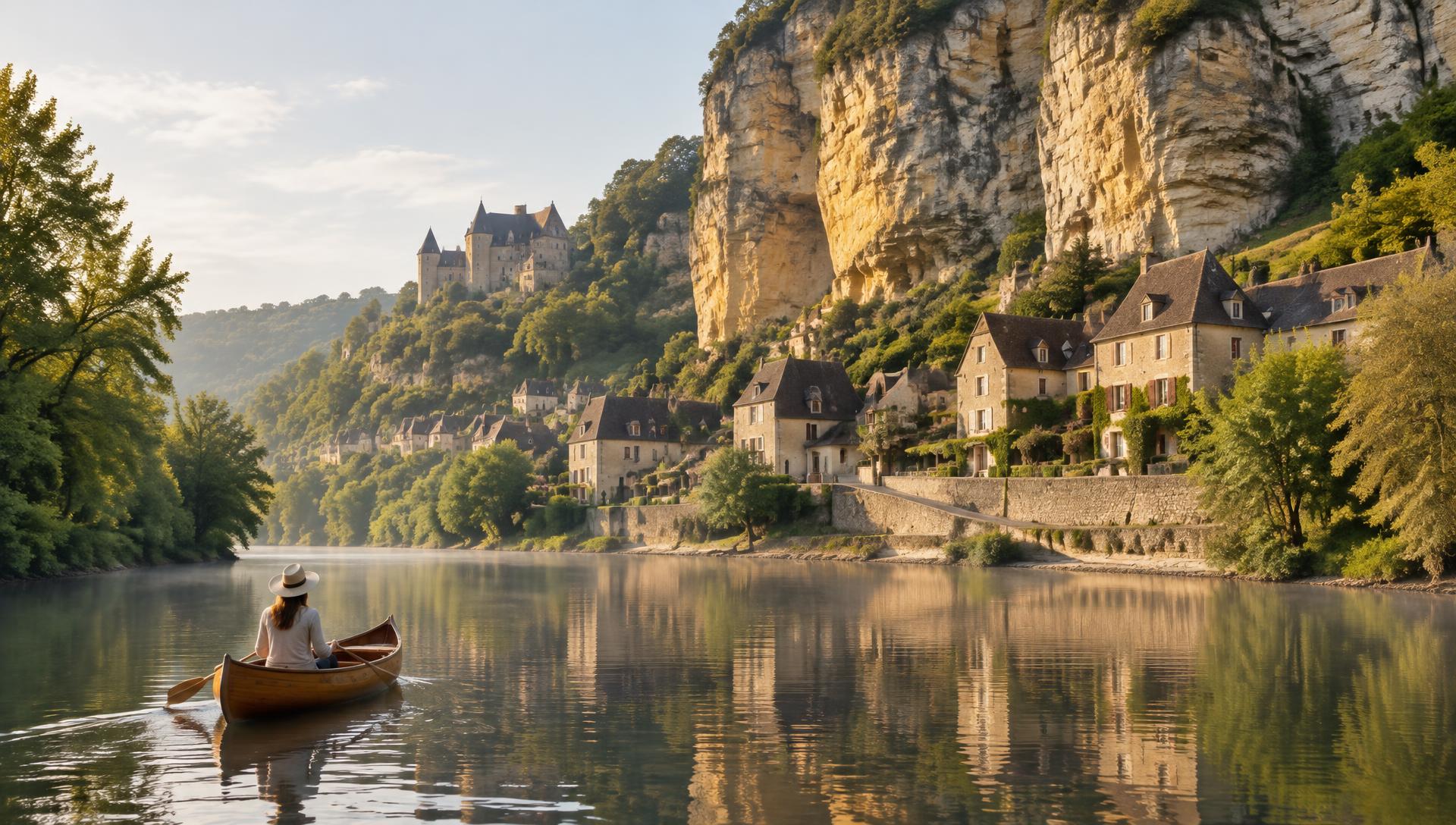
Château · Périgord Blanc
A seventeenth-century château above Hautefort, with formal gardens, an English-style park and a remarkable story of restoration after fire.
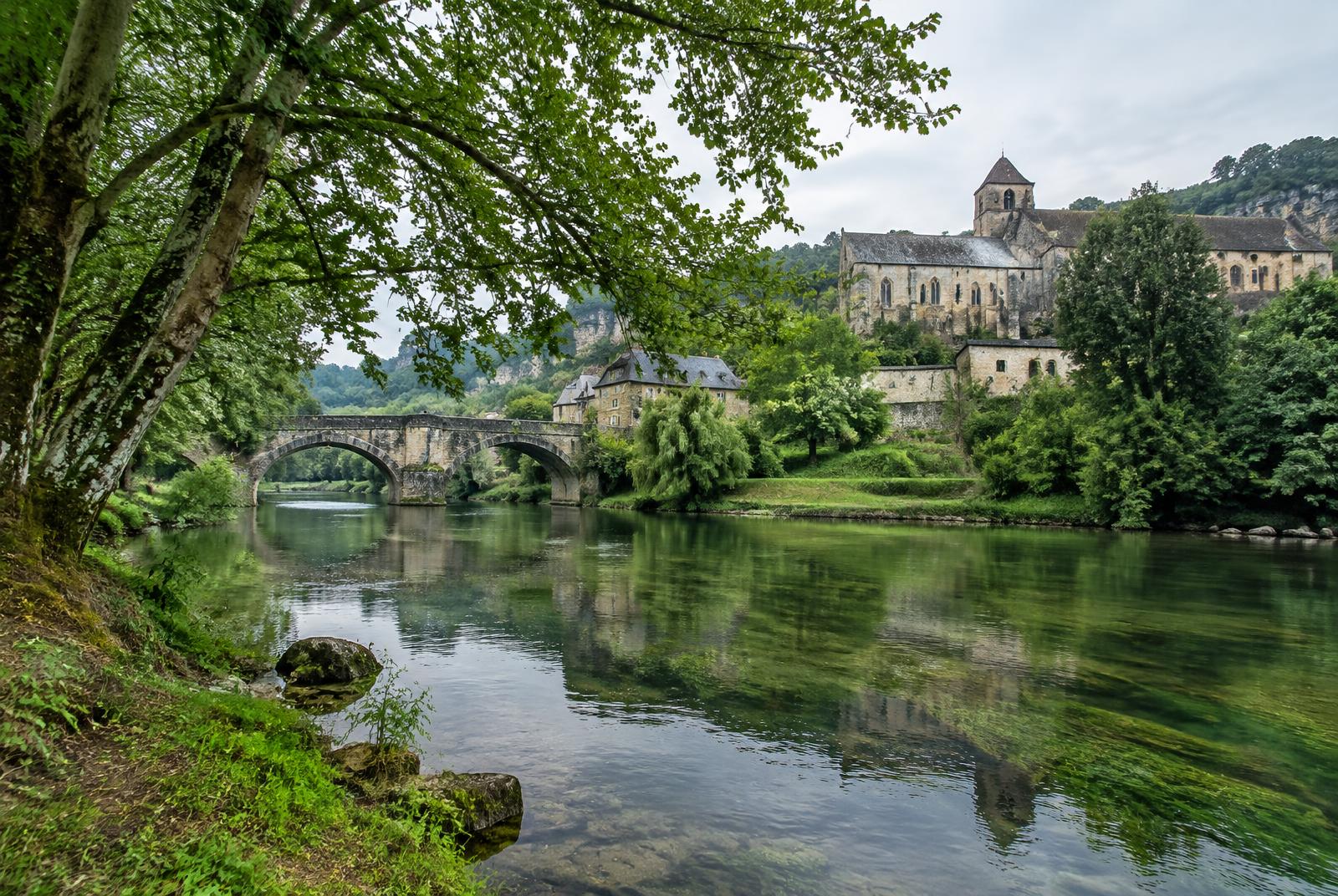
Riverside town · Périgord Vert
A small town on an island in the river Dronne, built around a Benedictine abbey against the cliff.
City · Périgord Blanc
The capital of the Dordogne, with a domed cathedral, a medieval quarter and Roman remains.
Yes, particularly if you enjoy château architecture and quieter villages. The château is the main attraction, with its elaborate roofline and terraced gardens. Allow half a day for a visit and a village walk.
Morning market: Wednesday (year-round). Nearby La Coquille has a market on Thursday.
It is a good base for the Périgord Vert and southern Limousin if you have a car. Village properties offer easier access to bread, groceries and places to eat, while outlying gîtes put you closer to the countryside. Check the exact location rather than assuming every property in the commune is within walking distance of the centre.
Yes. The village has a small eating-out choice, bread and basic groceries, plus a pharmacy. Use Saint-Yrieix-la-Perche or Thiviers for a fuller supermarket shop.
You can explore the compact village centre on foot, but a car is the practical option for a countryside stay, larger shopping trips and visits to nearby towns. Walking down to the Isle also means climbing back to the village.
Opening times, prices and parking change. Check before you travel: Dordogne Périgord tourism.