
Book direct
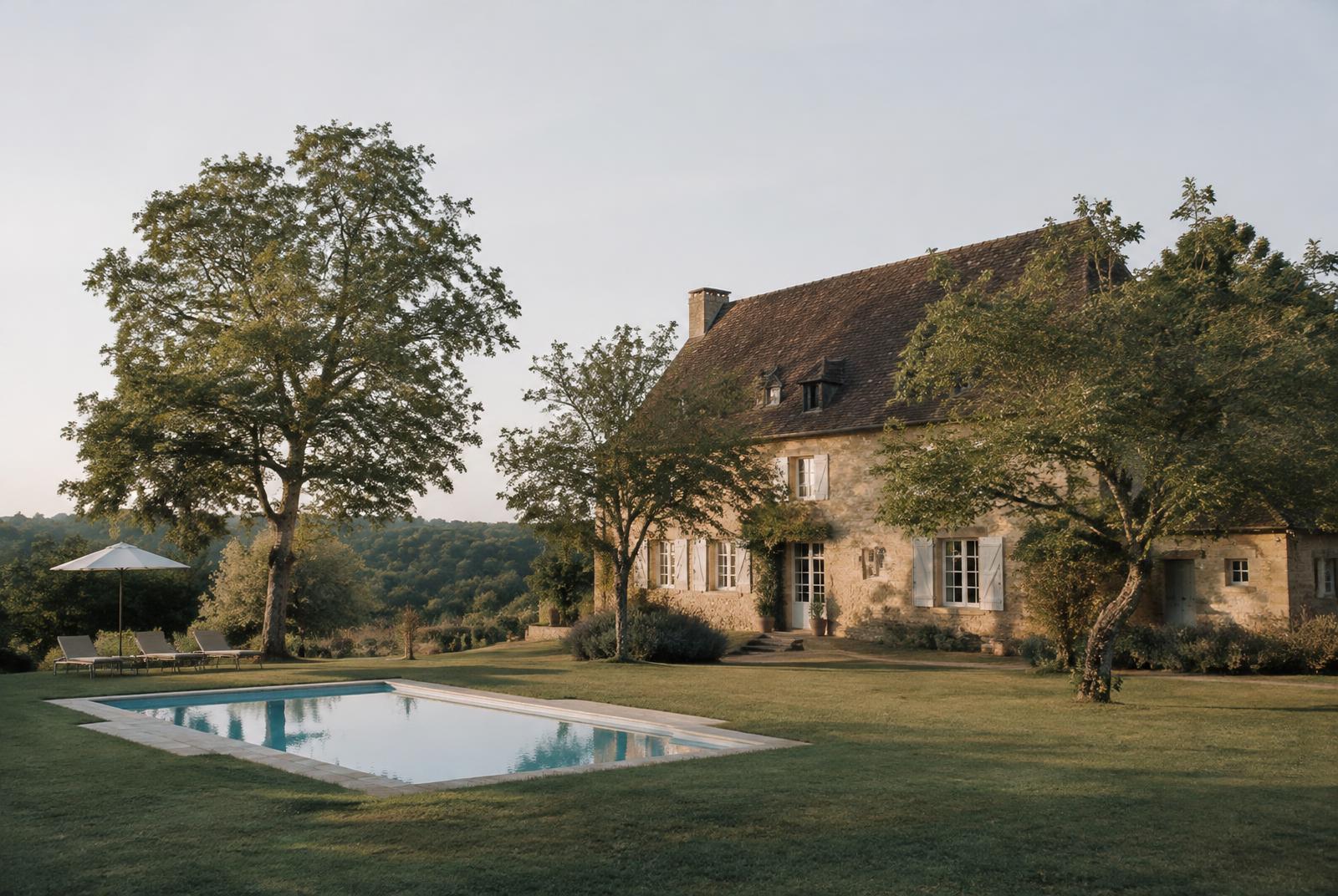
Villa Périgord
Saint-Vincent-de-Cosse · 41 km drive
A great base for river days, castles and Sarlat.
View propertytown · Périgord Pourpre
An English-founded bastide with an arcaded square, a fortified church and useful everyday shops, Beaumont-du-Périgord makes a practical base for the southern Dordogne.
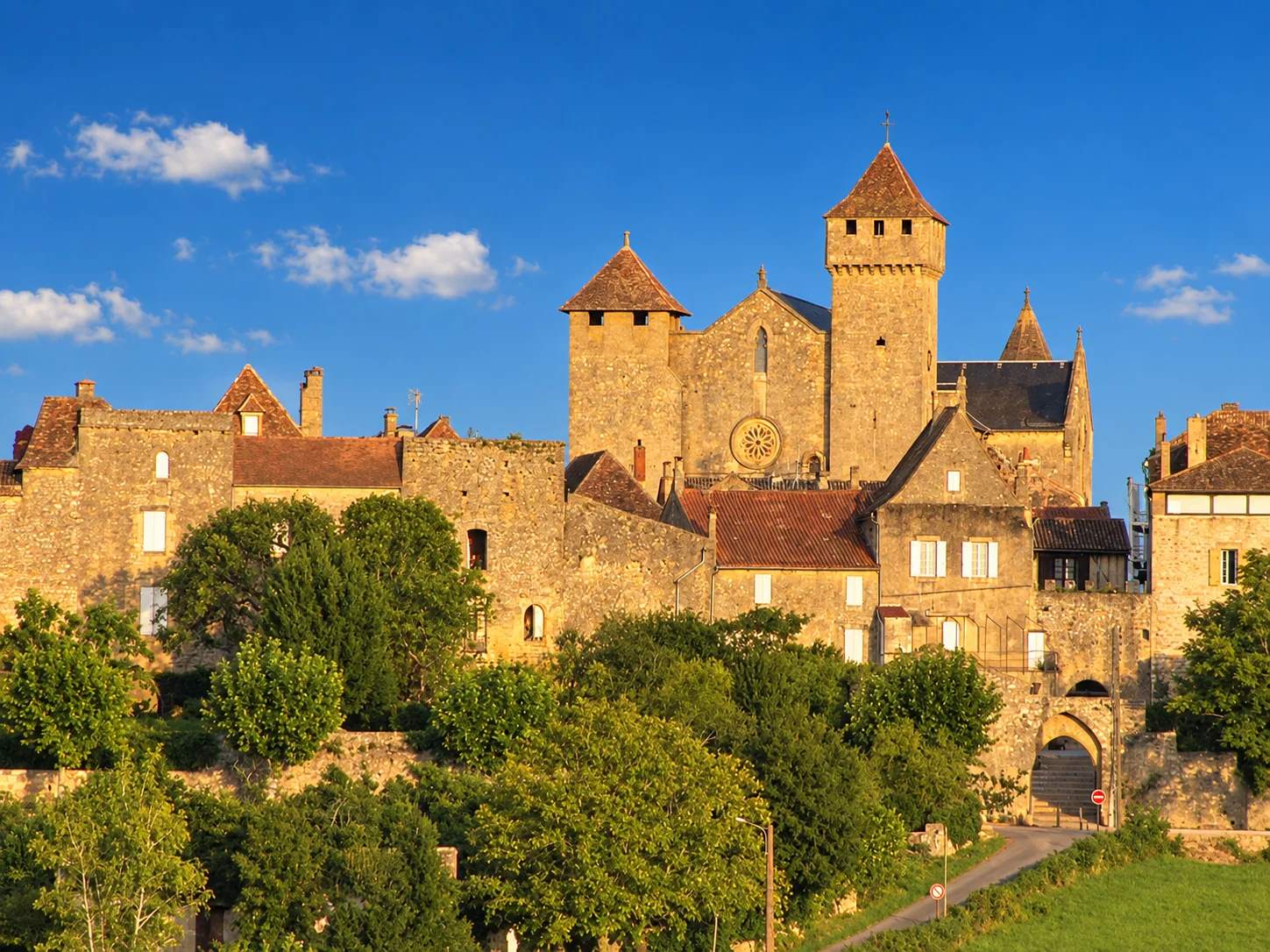
Beaumont-du-Périgord is a bastide town with a particularly assertive church. Its towers rise above a compact grid of limestone streets, while the arcades of Place Jean-Moulin shelter the more everyday business of coffee, shopping and market mornings. Founded under English rule in the thirteenth century, the town still makes sense as a planned settlement rather than a village that grew around a castle.
It is a useful base if you want the southern Dordogne rather than a holiday centred entirely on Sarlat. You have shops and places to eat in town, with Monpazier, Issigeac, Cadouin and Bergerac providing different directions for a day out. Beaumont-du-Périgord is now part of the commune of Beaumontois en Périgord, a name you will also encounter in addresses and local information.
Where to stayBook direct
Saint-Vincent-de-Cosse · 41 km drive
A great base for river days, castles and Sarlat.
View property
Sarlat-la-Canéda · 57 km drive
Watch the Sarlat market from your window.
View propertyOwners
List directly with Dordogne Direct and hear from guests yourself. No commission and no guest service fees.
List your propertyBegin at Place Jean-Moulin, the arcaded square at the heart of the bastide. Rue Nationale provides a useful through-line, with the church immediately beside the central area. Beaumont's plan is often described as H-shaped, rather than the more regular checkerboard associated with some neighbouring bastides.
This is a ridge-top town, not a riverside settlement: there is no central river crossing to orientate your walk. Use the church towers and square as your reference points, then walk out towards Porte de Luzier to understand where the medieval enclosure ended.
The part visitors tend to miss is the quieter network of connecting lanes behind the square's frontages. Step away from the café tables and you see how closely the houses fit together, with small openings, stone doorways and occasional views out towards the countryside.
Beaumont rewards a short walk with time to look at buildings rather than a long sequence of admissions. The contrast between the broad public square, narrow connecting streets and defensive church gives the visit its shape.
Beaumont was founded in 1272 by Lucas de Thaney, seneschal of Gascony, on behalf of Edward I of England. English authority here belonged to the complicated political geography of medieval Aquitaine. Establishing a bastide was a way to gather inhabitants, organise trade and strengthen control over the surrounding land.
That planned origin explains the central market square and ordered streets. The church's fortified appearance and the surviving Porte de Luzier reveal the other side of the settlement: this was a town that needed protection as well as commercial space.
The Hundred Years' War and later Wars of Religion brought conflict and changes of control. Much of the enclosure has disappeared, but the church, gateway and street pattern still let you distinguish the medieval framework beneath later alterations to the houses.
Beaumont has a modest but useful choice of restaurants and cafés, particularly around the central square. There is enough choice to make eating in town a realistic part of a stay, though not the range you would find in Bergerac.
Look for south-western staples such as duck confit, magret, foie gras and walnut-based desserts, with Bergerac wines alongside them. These are regional specialities rather than dishes unique to Beaumont. A market visit also works well for assembling a simple lunch instead of sitting down to a full meal.
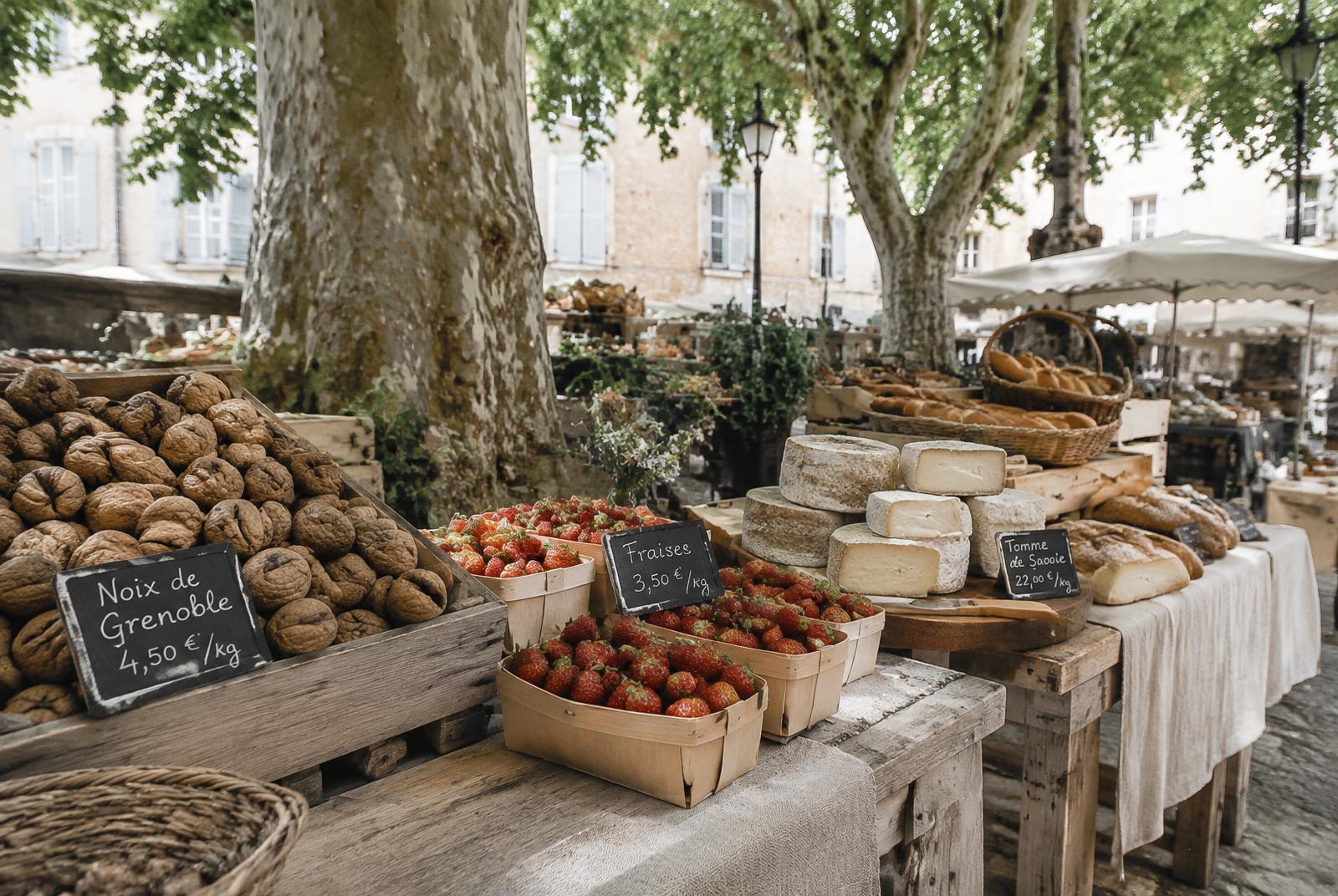
Morning market: Tuesday and Saturday (year-round). Summer night market (July and August): Monday.
The morning markets are the useful ones for self-catering shopping and seeing the square at work. Take a bag and make a circuit before deciding what to buy; the selection reflects the season and the traders attending.
The summer night market is a different occasion, centred on food and an evening in town rather than the routine grocery round. It is worth planning separately from a quiet architectural walk.
Beaumont has bakery provision, food shops and a supermarket, so you can manage ordinary self-catering supplies locally. For a boulangerie visit, make the town centre your starting point and combine your bread run with the square rather than assuming you need to drive to a larger town.
The centre is best for small purchases on foot; a supermarket trip is more practical for a larger grocery shop. Bergerac is the larger shopping centre for a broader choice of supermarkets, specialist shops and non-food essentials.
Allow about two hours to walk the core streets, see the church and reach the gateway without rushing. Add a meal or market shopping and Beaumont becomes an easy half-day visit. It is compact, but old paving, kerbs and changes of level mean that compact does not always mean effortless.
For a longer stay, a car is useful for reaching surrounding villages and countryside sights. Within Beaumont, an address close to the square is more convenient for daily errands than a rural address carrying the same place name.
Check current opening times and summer event details with the tourist office before setting out.
Pair Beaumont with Monpazier if you want to compare two bastides. Monpazier's more regular plan makes the differences easy to spot. Issigeac offers the opposite comparison: a medieval settlement with winding streets rather than a planned bastide grid.
For a day built around a major monument, head towards the Abbaye de Cadouin and its cloister in Le Buisson-de-Cadouin, or combine Monpazier with the Château de Biron. Each gives you a more substantial interior visit alongside time outdoors.
Bergerac suits a change of pace, with a larger old centre, the Dordogne riverfront and more choice for shopping and eating. Choose one direction for the day rather than trying to fit all these places into a single circuit.
Medieval village · Périgord Pourpre
A small medieval village of timber-framed houses and winding lanes, known for its Sunday market.
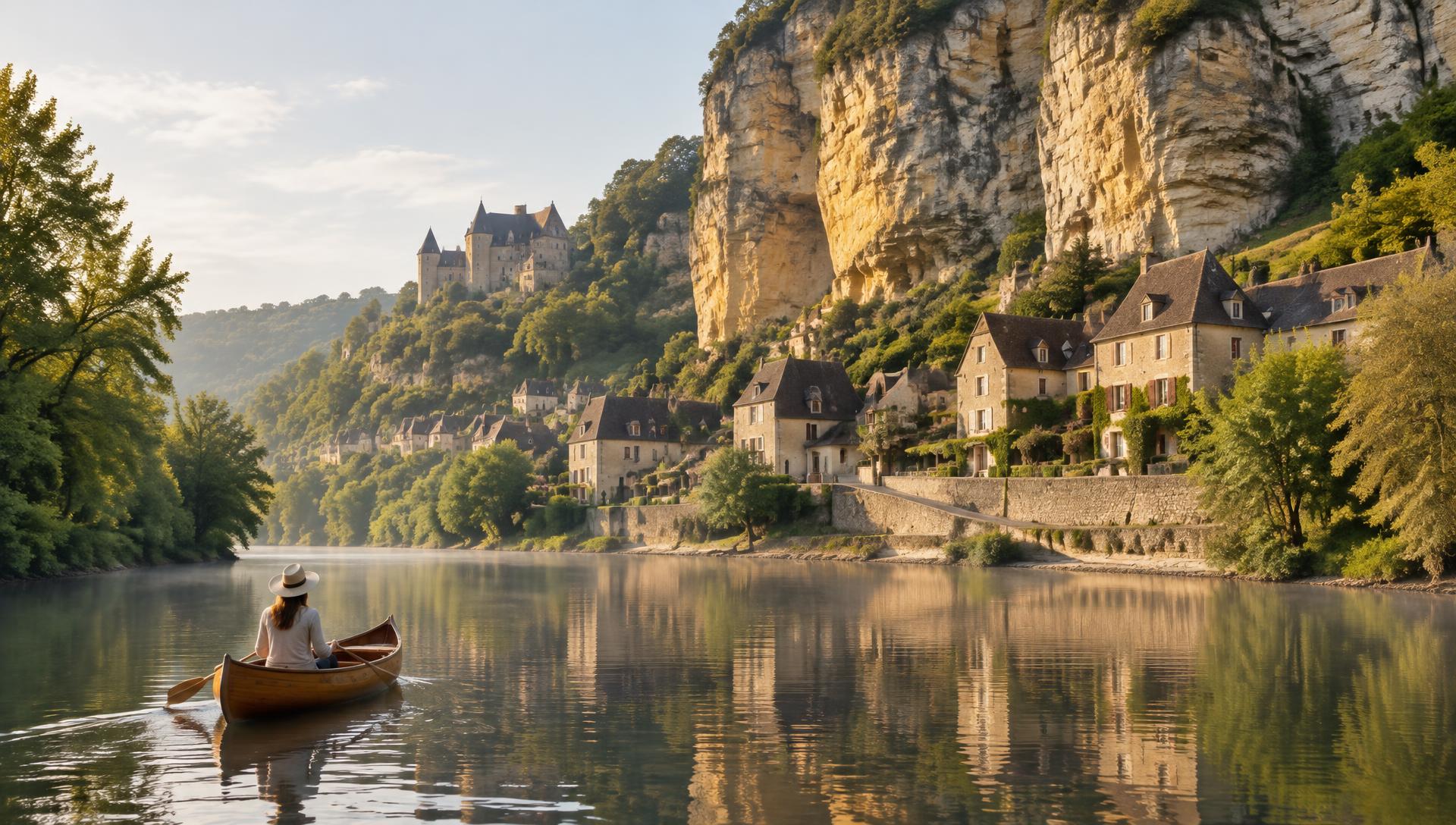
Abbey · Périgord Pourpre
A Romanesque abbey church and richly carved late Gothic cloister in the centre of Cadouin, with a pilgrimage history shaped by a cloth once believed to be Christ’s shroud.
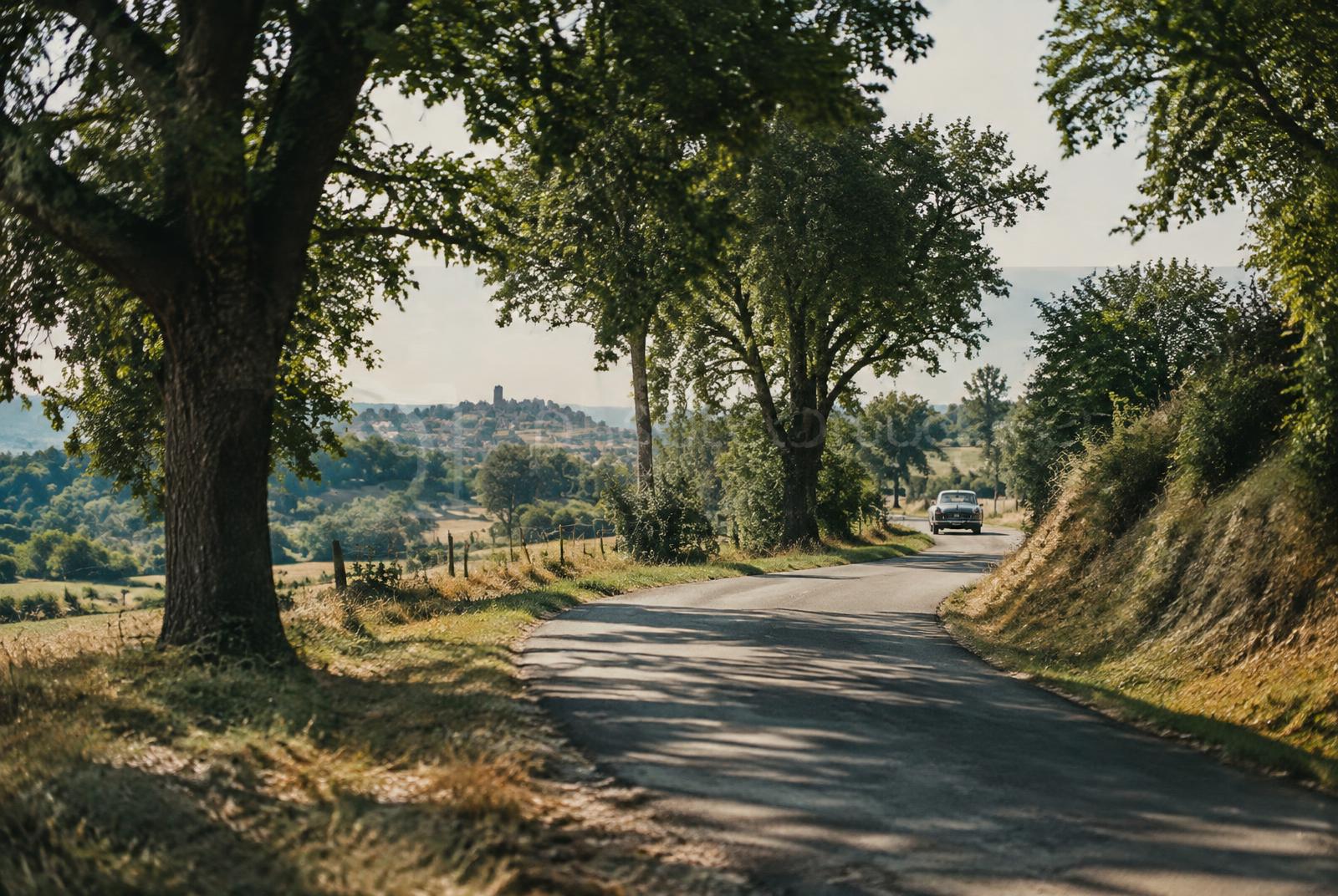
Bastide town · Périgord Pourpre
A planned medieval bastide founded in the 13th century, laid out on a grid around an arcaded square.
Yes, particularly if you enjoy bastide towns and want a manageable visit with everyday shops and cafés still part of the centre. The fortified church, arcaded square and Porte de Luzier give a two-hour walk a clear focus.
Morning market: Tuesday and Saturday (year-round). Summer night market (July and August): Monday.
Yes, Beaumont has bakery provision for daily bread and pastries, alongside other food shopping and a supermarket. You do not need to travel to Bergerac for ordinary self-catering supplies.
Start with location and how you want to spend your days. A central property makes shops and meals easier on foot, while a countryside gîte gives you a rural setting but usually requires a car. Use the Where to stay block for direct-from-owner properties in and around Beaumont.
Beaumont-du-Périgord is the historic bastide and former commune. Since 2016 it has formed part of the larger commune of Beaumontois en Périgord, alongside Labouquerie, Nojals-et-Clotte and Sainte-Sabine-Born. Check the precise address when planning your route.
Opening times, prices and parking change. Check before you travel: Dordogne Périgord tourism.