
Book direct
Villa Périgord
Saint-Vincent-de-Cosse · 42 km away
A great base for river days, castles and Sarlat.
View propertyMedieval village · Périgord Pourpre
A small medieval village of timber-framed houses and winding lanes, known for its Sunday market.
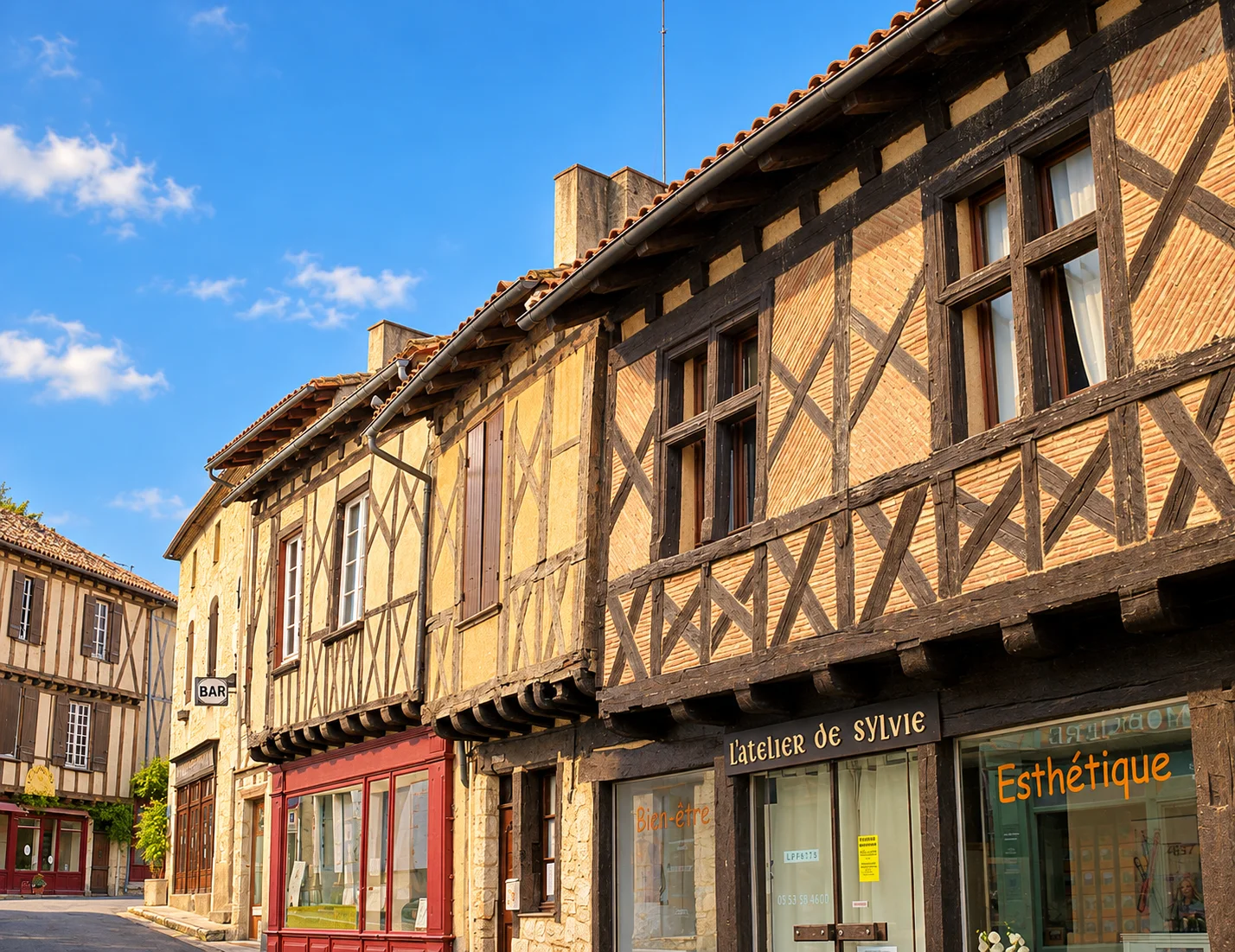
Issigeac is not a bastide, although several of its neighbours are. Instead of a regular grid of streets and an arcaded square, it has a rounded medieval centre threaded with lanes that bend around timber-framed houses. The pale stone church and broad façade of the bishops’ palace give you your bearings, but much of the interest is in the smaller buildings between them.
Sunday morning changes the scale of the place. Market stalls fill the central streets and people arrive from the surrounding countryside to shop and meet. On an ordinary weekday you can look at the houses more easily and hear village life rather than market crowds. Stay here for that small-scale rhythm, with Bergerac, wine country and the bastides within reach by car.
Where to stayBook direct
Saint-Vincent-de-Cosse · 42 km away
A great base for river days, castles and Sarlat.
View property
Sarlat-la-Canéda · 51 km away
Watch the Sarlat market from your window.
View propertyOwners
List directly with Dordogne Direct and hear from guests yourself. No commission and no guest service fees.
List your propertyOn a map, first pick out the rounded outline of the old village. The roads around its edge follow the line of the former enclosure, while the streets inside curve and narrow rather than meeting at right angles. Place du Château, beside the Palais des Évêques, is a useful starting point, with Église Saint-Félicien immediately nearby.
Walk into the central lanes from the church and palace, then make a loop rather than retracing the busiest shopping street. Visitors who only follow the market stalls often miss the quieter residential passages and the backs of the timber-framed houses. Look up at the projecting upper floors as well as into shop windows.
The Banège runs along the southern side of the village. Its crossing is a modest part of the approach, not a monumental bridge or a riverside promenade. Issigeac is best understood as an enclosed settlement on a small watercourse, rather than a town arranged along a large river.
The main activity is a slow walk through the village. These buildings give that walk a shape, but leave time for the connecting lanes: their changes of width, overhanging floors and mixture of timber and stone explain much of Issigeac’s character.
Issigeac’s origins predate the planned bastide towns founded across this region in the thirteenth century. Archaeological discoveries have revealed Gallo-Roman occupation and an early medieval burial ground. A religious community subsequently helped shape the settlement, which developed around its ecclesiastical centre rather than a newly surveyed market grid.
The village became closely associated with the bishops of Sarlat. The large church and later palace are the clearest surviving expressions of that connection. Around them, medieval and Renaissance houses preserve a less formal pattern of lanes, plots and projecting storeys.
Issigeac has a good choice of restaurants and cafés for a village of its size, so you can plan lunch or an evening meal here rather than always driving elsewhere. The choice is smaller than in Bergerac and the village feels much busier around the Sunday market.
Look for the cooking of the Périgord Pourpre: duck confit, magret, foie gras and seasonal produce, with walnuts and strawberries appearing in desserts. Bergerac wines are the natural local accompaniment. Monbazillac is a sweet wine, traditionally paired with foie gras but also suited to blue cheese or dessert.
Morning market: Sunday (year-round). Summer night market (July and August): Thursday.
The Sunday market is a central part of village life and a practical place to shop for a self-catering stay. Expect fresh produce, cheeses and regional foods alongside other stalls. Bring a shopping bag and allow time to work through the narrow streets rather than treating it as a quick stop.
The summer night market offers a different reason to come into the village in the evening. For looking closely at the buildings, choose a separate weekday walk: stalls and shoppers can obscure the lower façades during the Sunday market.
Issigeac has bakeries and everyday food shops, so you can buy bread, pastries and basic groceries without leaving the village. A pharmacy is also available. For a boulangerie stop, use the village centre rather than assuming you need to drive to Bergerac for breakfast supplies.
The central streets also have independent craft, gift and decorative shops. They make an enjoyable browse, but distinguish them from the practical food-shopping circuit if you are stocking a holiday kitchen.
For a large supermarket shop and a wider range of household supplies, head to Bergerac. Issigeac works well for daily top-ups and market shopping, not for the breadth of choice of a larger town.
Allow two to three hours to walk the centre, look at the main buildings and stop for a drink. A Sunday market visit followed by lunch comfortably fills half a day. Issigeac is compact enough to explore on foot, but a car is useful for the surrounding villages, vineyards and countryside.
Park around the edge and continue on foot rather than navigating the narrow central streets. Uneven surfaces, constricted passages and market crowds can slow progress with a wheelchair or pushchair, even though this is not a steep hilltop village.
As a base, Issigeac suits a trip focused on the southern Dordogne and Bergerac country. It is less convenient if most of your days will be spent around Sarlat or the Vézère valley. Check current opening times, access arrangements and seasonal market details with the official tourism service before setting out.
Choose one direction for a relaxed day rather than trying to cover both wine country and the eastern bastides. Monbazillac and Bergerac make a coherent outing to the north-west; Monpazier gives you the clearest architectural comparison to the east.
Wine town · Périgord Pourpre
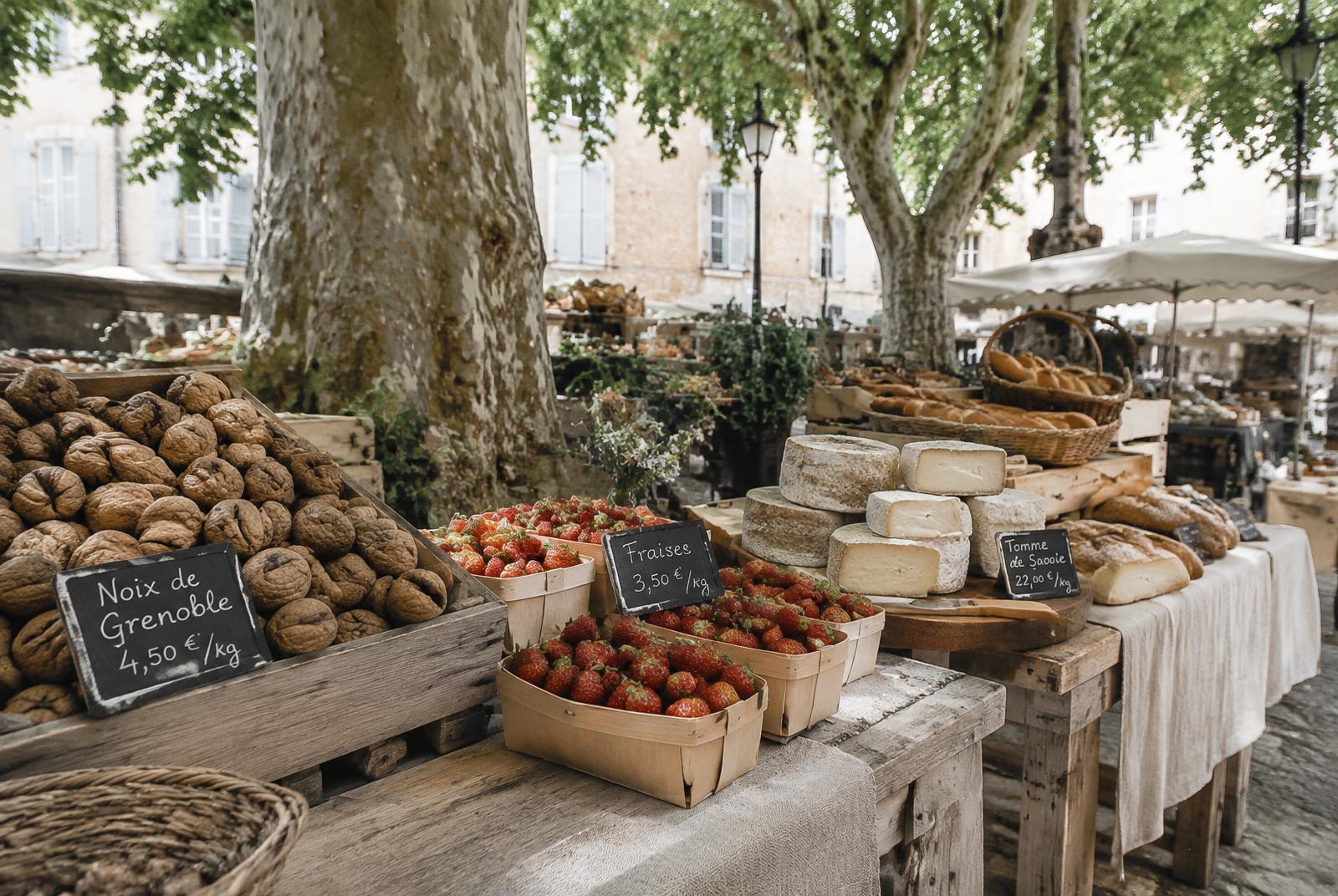
A river town on the Dordogne at the centre of its own wine country, with a half-timbered old quarter.
Wine village · Périgord Pourpre
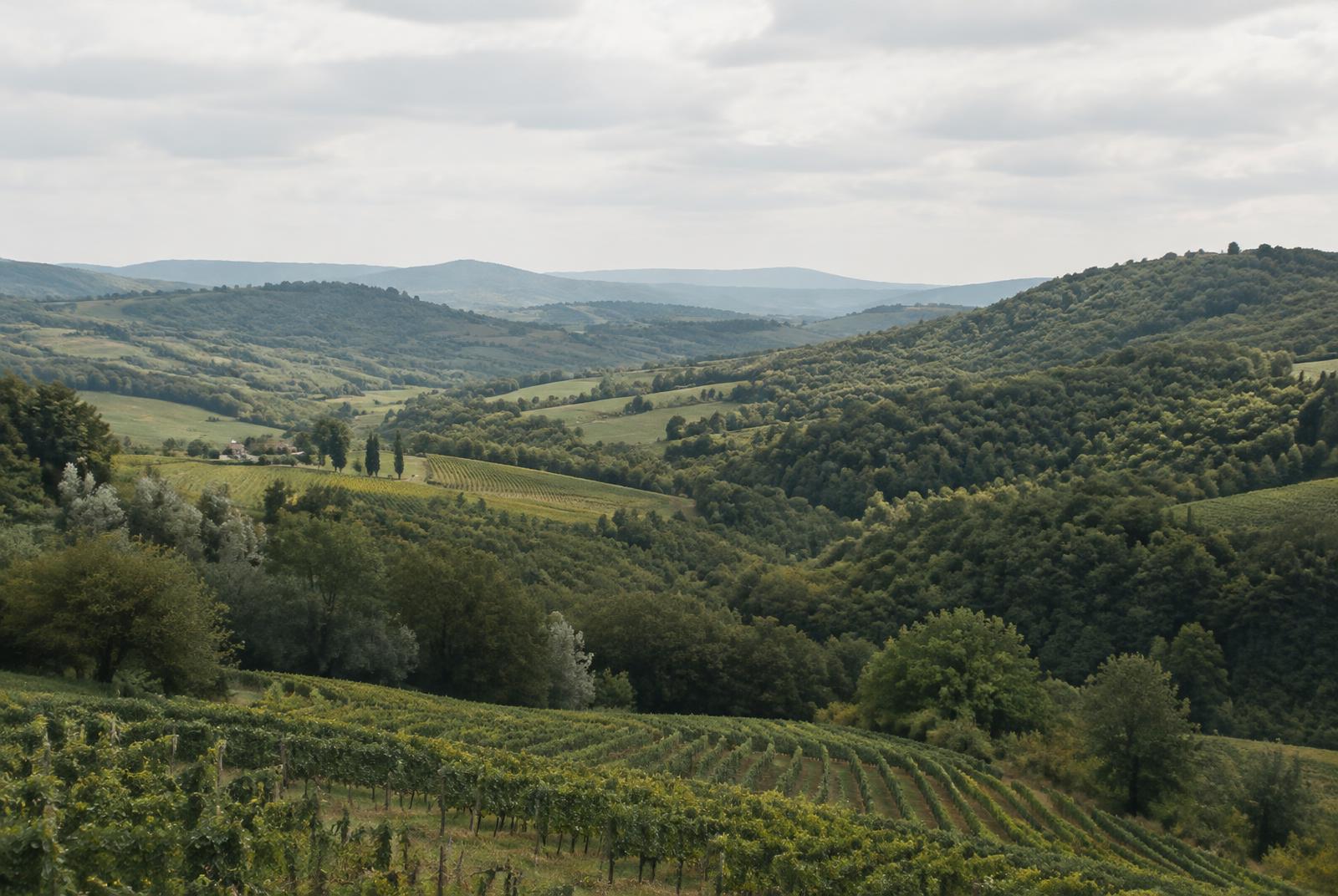
A small wine village on the slopes south of Bergerac, known for its château and its sweet white wine.
Bastide town · Périgord Pourpre
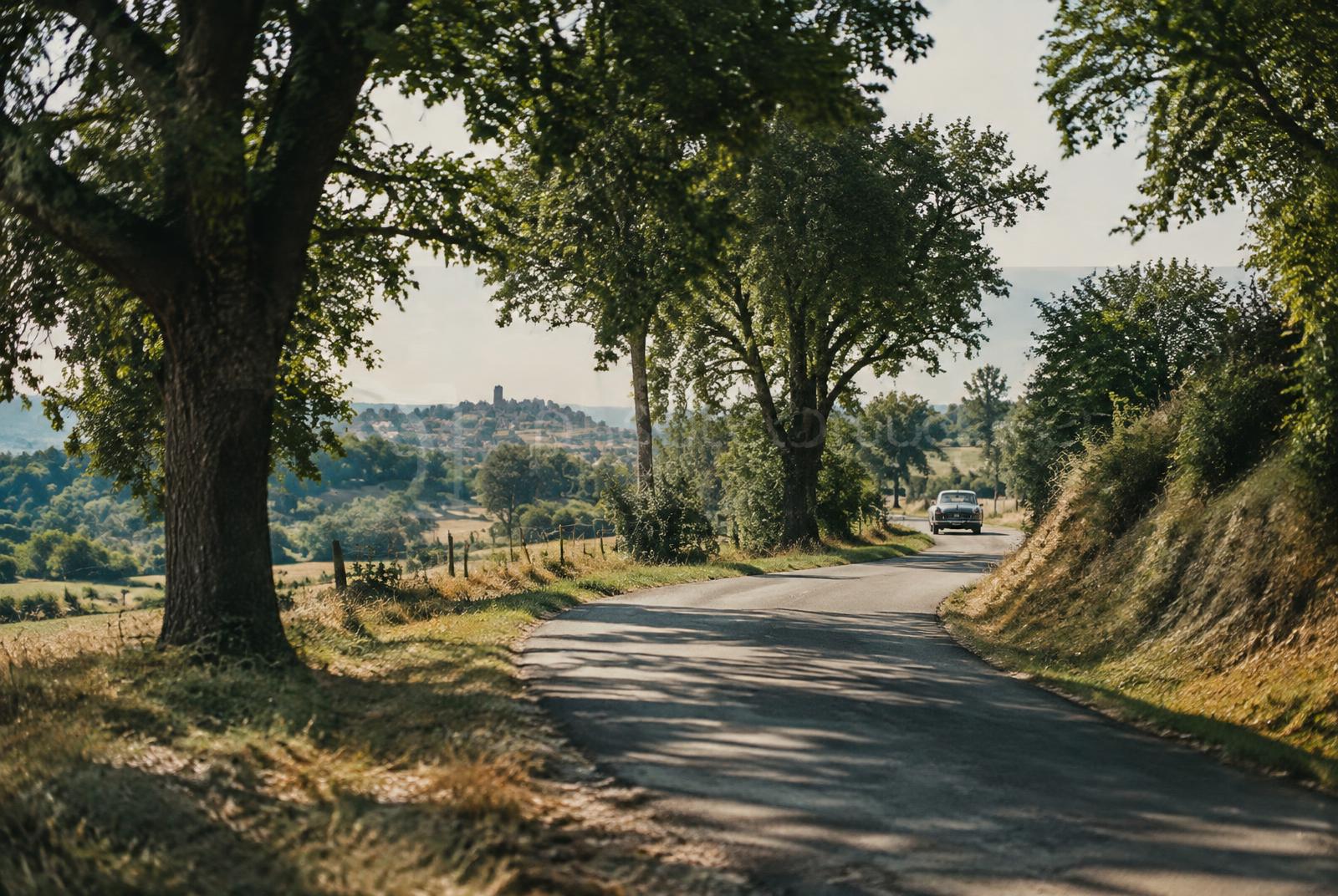
A planned medieval bastide founded in the 13th century, laid out on a grid around an arcaded square.
Morning market: Sunday (year-round). Summer night market (July and August): Thursday.
Walk the medieval lanes, look at the Maison des Têtes and Maison Champignon, visit Église Saint-Félicien and see the Palais des Évêques from Place du Château. Add the Sunday market, independent shops and lunch for a half-day visit.
Issigeac is south-east of Bergerac in the Périgord Pourpre, close to the Lot-et-Garonne boundary. The centre is small enough to walk around, but a car is useful for reaching vineyards, neighbouring villages and larger shops.
Yes. Issigeac has bakeries and everyday food shops for bread, pastries and grocery top-ups, plus the Sunday morning market. Bergerac is the practical choice for a larger supermarket shop.
Yes, particularly for exploring Bergerac country, Monbazillac and the southern bastides. Choose the village centre for walking to shops and meals or the surrounding countryside for more outdoor space. The Where to stay block covers direct-from-owner properties in and around Issigeac.
Opening times, prices and parking change. Check before you travel: Dordogne Périgord tourism.