Book direct
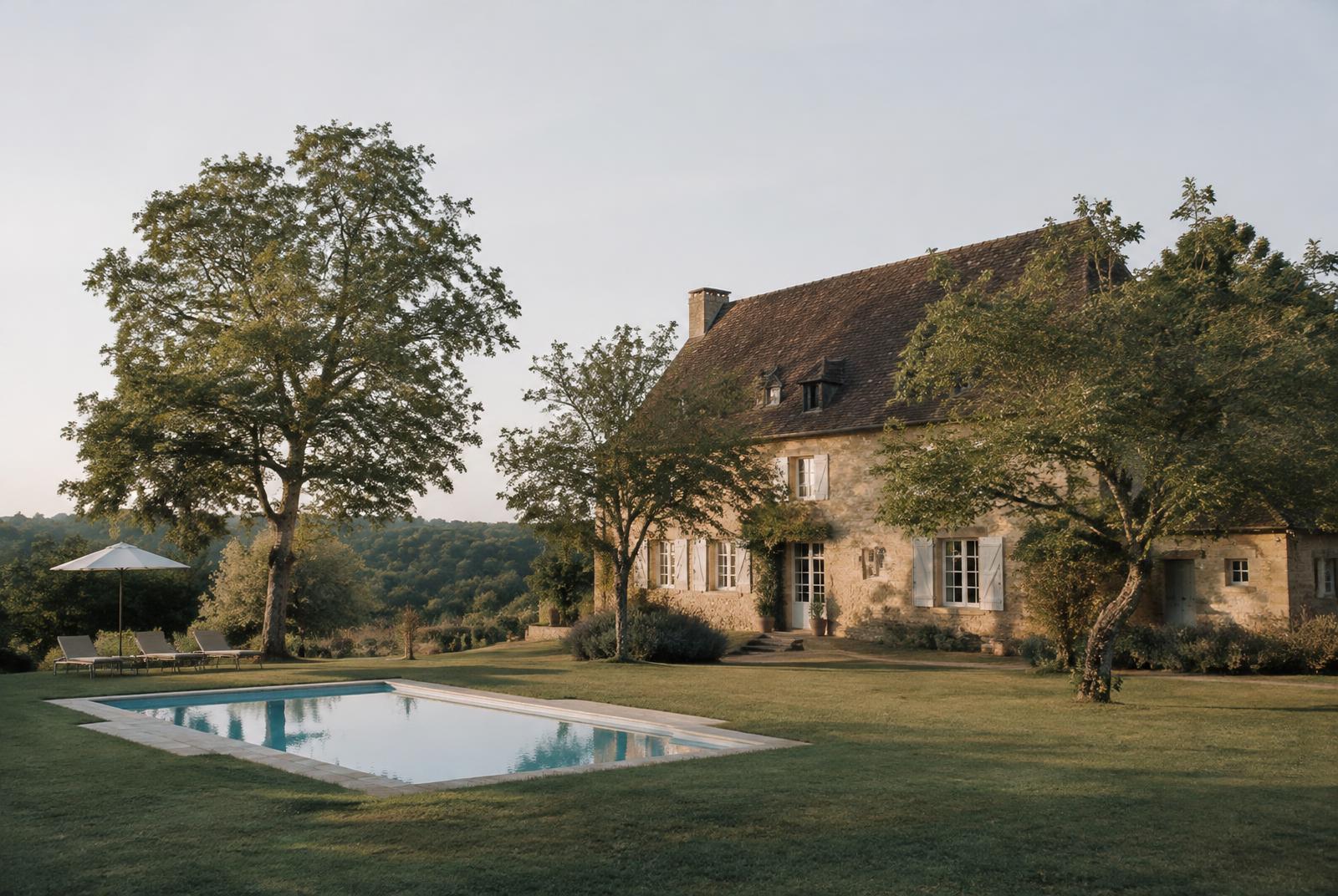
Villa Périgord
Saint-Vincent-de-Cosse · 5 km away
A great base for river days, castles and Sarlat.
View propertyVillage · Dordogne Valley
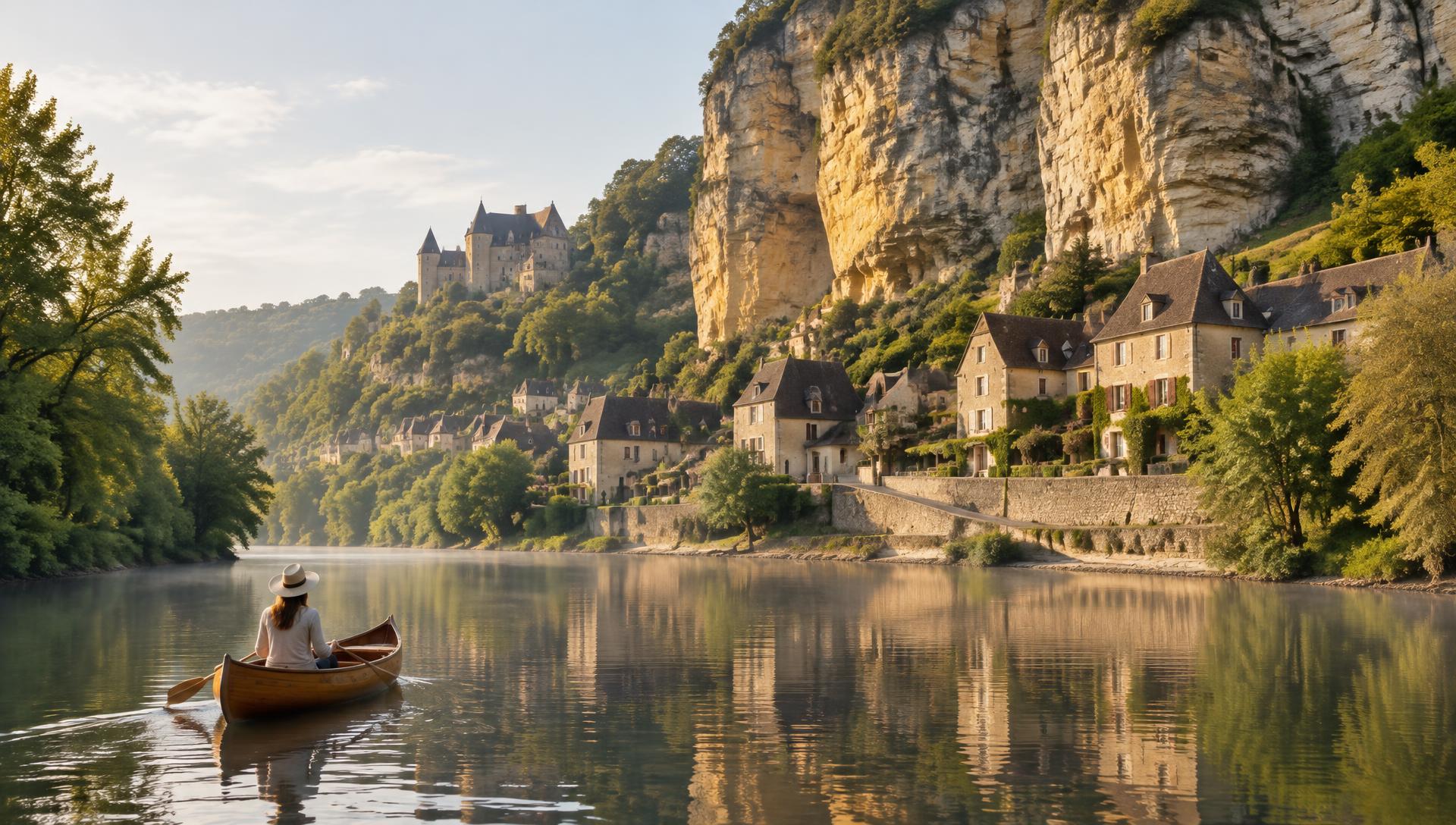
A village built in a narrow strip between the cliff and the river.
La Roque-Gageac is a single line of golden stone houses squeezed between the Dordogne and a tall, overhanging limestone cliff. The village faces south across the water, so it catches the sun for most of the day and glows in the evening light.
It is listed among the Plus Beaux Villages de France and is one of the most photographed places in the valley. It is also small. The whole village can be seen in an hour or two, which makes it an easy addition to a day spent at Beynac, Castelnaud, Marqueyssac or Domme.
Where to stayBook direct
Saint-Vincent-de-Cosse · 5 km away
A great base for river days, castles and Sarlat.
View property
Sarlat-la-Canéda · 8 km away
Watch the Sarlat market from your window.
View propertyOwners
List directly with Dordogne Direct and hear from guests yourself. No commission and no guest service fees.
List your propertyThe main road runs along the riverbank, with the houses on its landward side and a narrow strip of quay, cafés and landing stages on the water side. Behind the front row, a handful of steep lanes and stairways climb between gardens and old houses towards the foot of the cliff.
There is no real centre square. The village is best understood by walking the riverfront first, then taking any of the lanes upwards. The higher you climb, the better the view back over the roofs to the river.
The pleasure of La Roque-Gageac is mostly the setting itself, but a few things are worth seeking out as you walk.
La Roque-Gageac is one of the main bases on the Dordogne for river activity. Traditional flat-bottomed boats, known as gabares, run short guided trips from the quay in season, giving a view of the village and nearby castles from the water.
Several canoe hire companies operate here and further upstream. A popular option is to be driven upstream and paddle back down past Castelnaud and Beynac, or to start here and finish downstream. The river is generally gentle in summer, but conditions change with rainfall.
People have used the shelter of this cliff since prehistory, and in the Middle Ages the cave fort made the village a defensible stronghold on the river. For centuries the Dordogne was a working waterway, and La Roque-Gageac was a port where boatmen loaded wine, wood and goods for the journey downstream.
The cliff is also a hazard. Rock falls have damaged the village more than once, including a serious fall in the 1950s, and the rock face is now monitored and secured. Netting and anchors you may notice on the cliff are part of that work.
Parking is in paid riverside car parks at either end of the village. They fill up in the middle of the day in summer. Check current arrangements before you travel.
The riverfront is flat, but the lanes and the stairs up to the troglodyte fort are steep. Pushchairs manage the quay well and the lanes less well.
Early morning and early evening are the quietest and most attractive times to visit. In the middle of a summer day the village is at its busiest.
The Jardins de Marqueyssac sit on the ridge just upstream, and their belvedere looks straight down on La Roque-Gageac. Visiting the garden in the morning and the village in the afternoon works particularly well.
Domme is a short drive south across the river, on its clifftop high above the valley. Castelnaud and Beynac are both a few kilometres away, so La Roque-Gageac fits easily into a full day in the heart of the valley.
One to two hours for a stroll along the river and up the lanes. Allow longer if you add a gabare trip, the troglodyte fort or a canoe.
Yes. Traditional gabares run guided trips from the quay in season. Check the operators for current times.
Yes. It is a member of the Plus Beaux Villages de France association.
From the water, from the far bank of the river or from the belvedere at the Jardins de Marqueyssac on the ridge above.
Yes, for a short visit. Children usually enjoy the boats, canoes and the climb to the cliff fort. Keep a close eye on them near the road.
Opening times, prices and parking change. Check before you travel: Sarlat-Périgord Noir tourist office, Les Plus Beaux Villages de France.