Book direct
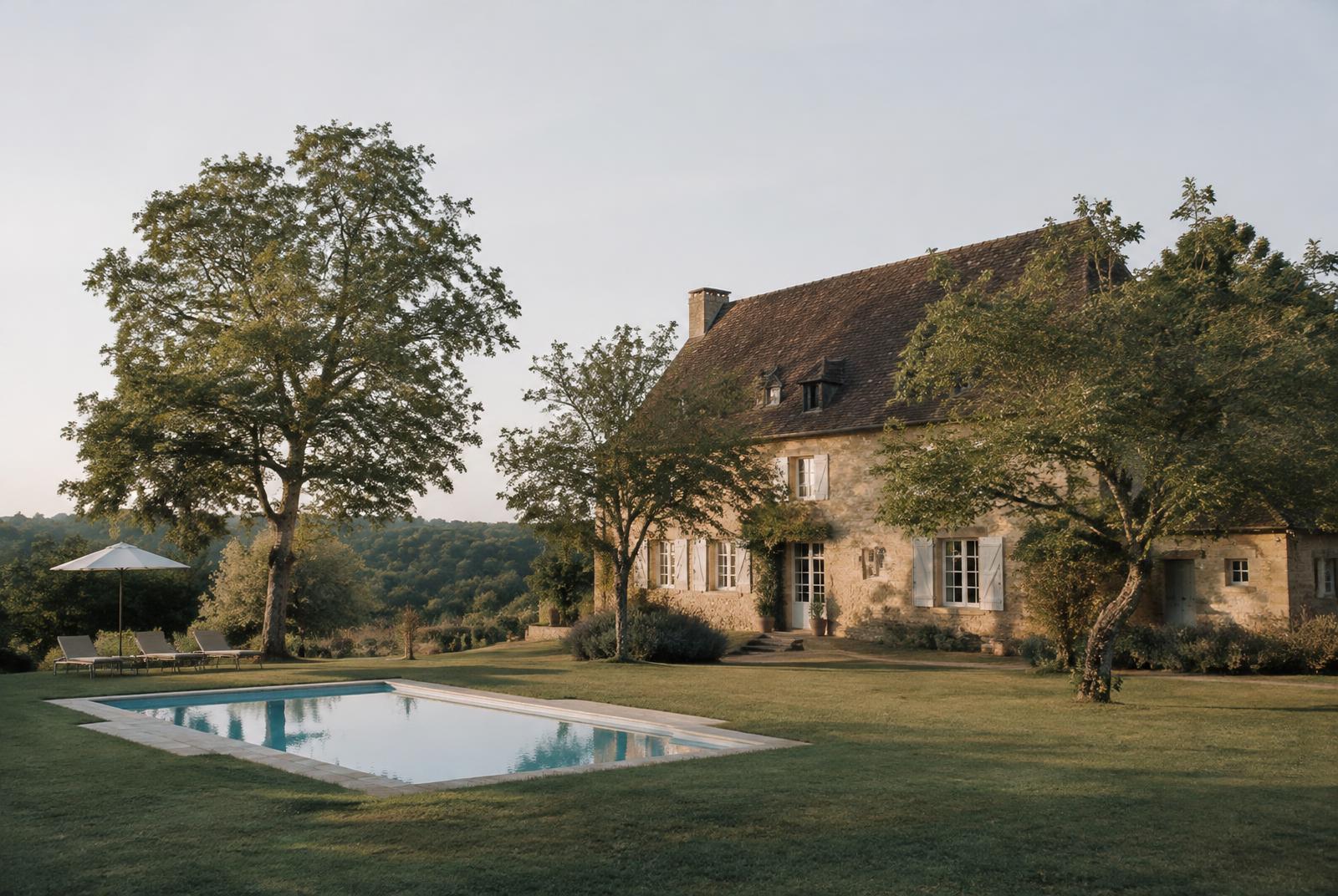
Villa Périgord
Saint-Vincent-de-Cosse · 2 km away
A great base for river days, castles and Sarlat.
View propertyVillage · Dordogne Valley
A riverside village climbing steeply to a castle on the cliff above the Dordogne.
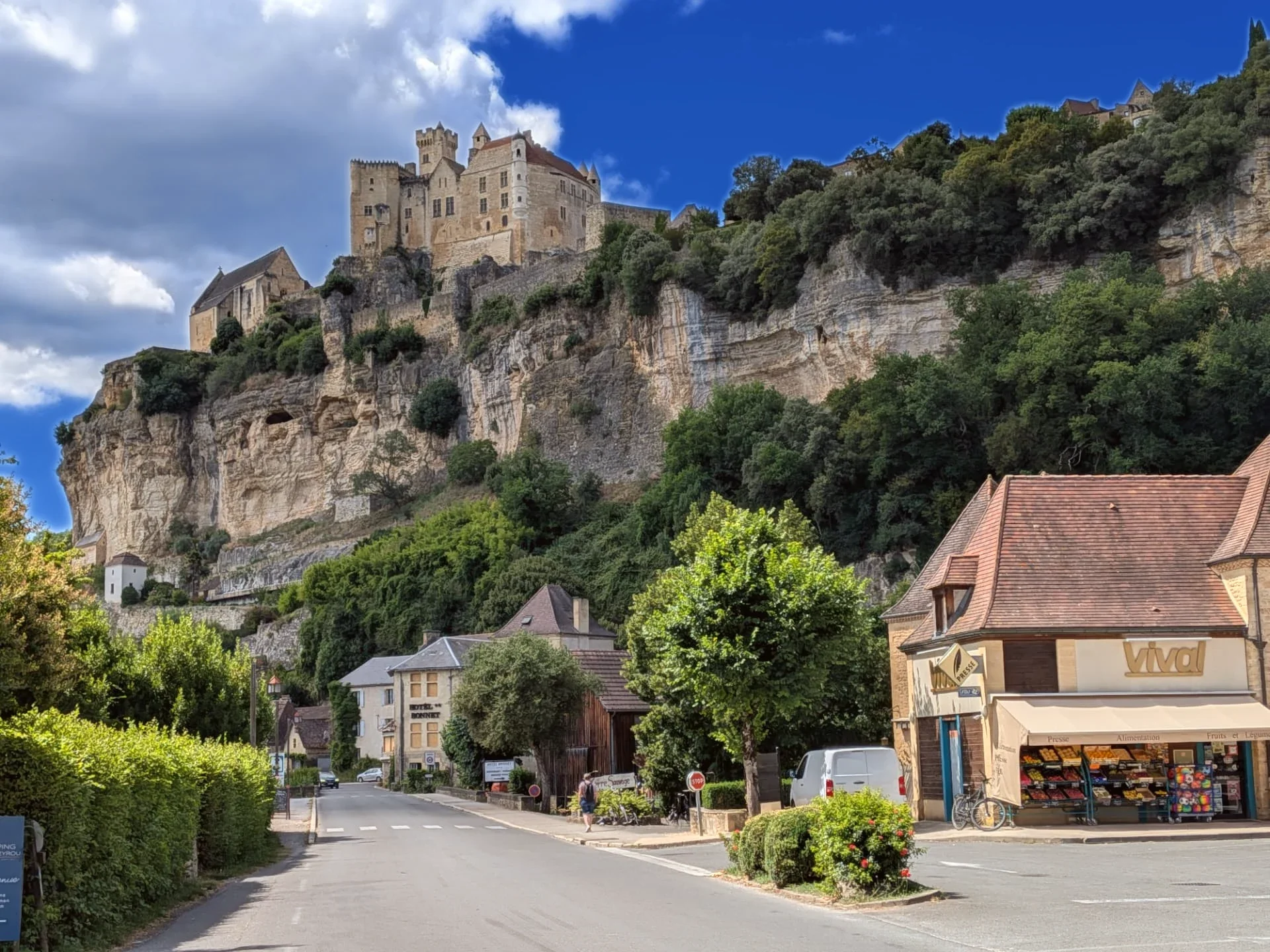
Beynac-et-Cazenac is the village most people picture when they think of the Dordogne Valley. A row of stone houses lines the riverbank, lanes climb steeply up the cliff behind them and the château sits on the very top, a sheer drop on its river side.
It is listed among the Plus Beaux Villages de France and is one of the most visited places in the valley. Seen from the river, from the road or from Castelnaud opposite, it is one of the defining views of the Périgord Noir.
Where to stayBook direct
Saint-Vincent-de-Cosse · 2 km away
A great base for river days, castles and Sarlat.
View property
Sarlat-la-Canéda · 8 km away
Watch the Sarlat market from your window.
View propertyOwners
List directly with Dordogne Direct and hear from guests yourself. No commission and no guest service fees.
List your propertyBeynac is built in two levels. The lower village runs along the riverside road, with cafés, restaurants and the landing stages used by canoes and river boats. The upper village clusters around the château at the top of the cliff.
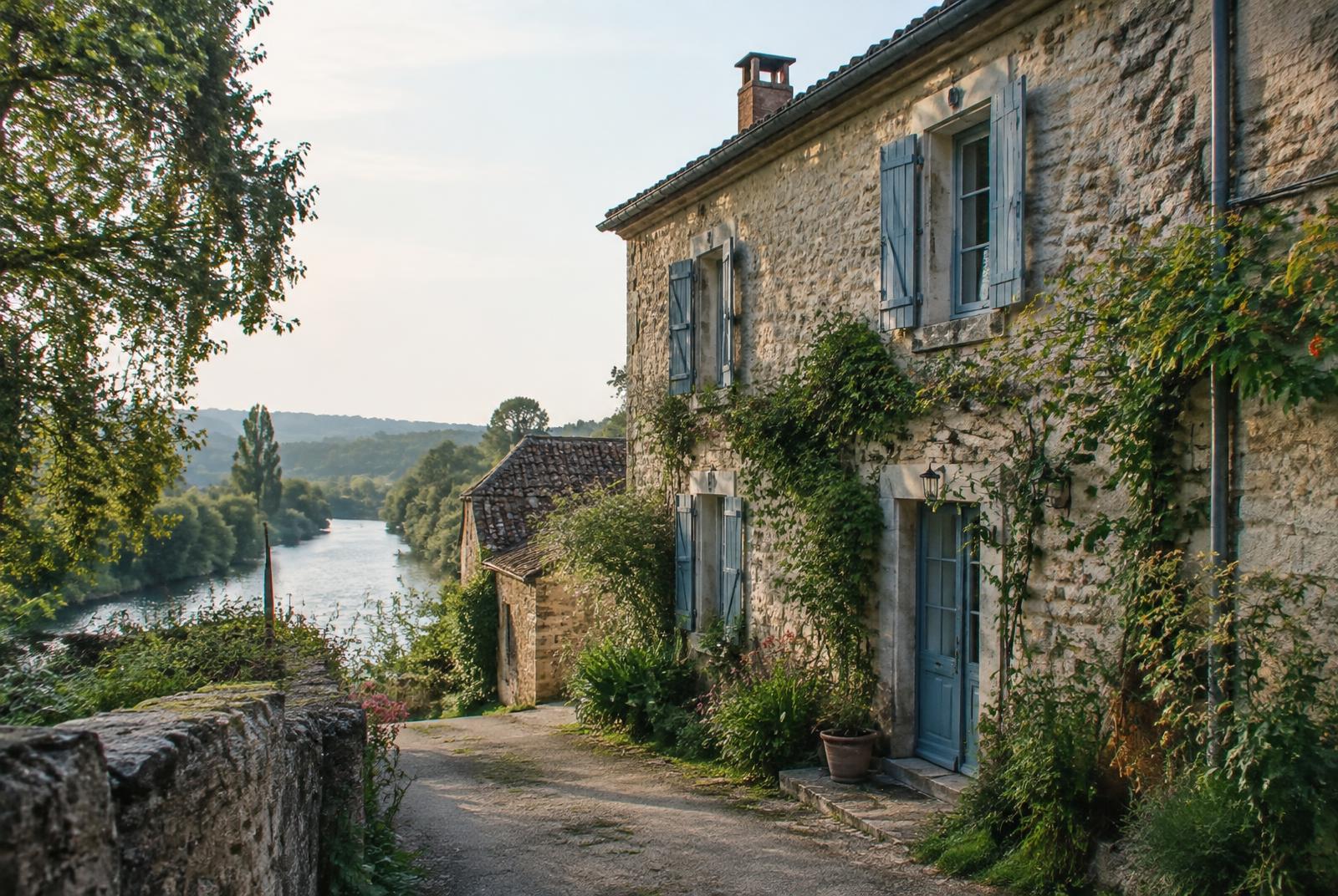
Between the two runs a steep cobbled lane lined with old houses, small gardens and stone-roofed outbuildings. It is the best way to understand the place, and the climb is part of the visit. There is also road access to the top of the village, so you can choose to start from either end.
The château is a largely medieval fortress built on the edge of the cliff, with a heavy keep and layered defences on its landward side, where an attack could actually come from. The river side needed little defending.
Inside, the rooms are mostly bare stone, which suits the building. The visit takes you through the keep, the great hall, a small chapel and up to the walls, where the view along the valley takes in Castelnaud, Marqueyssac and the river bends towards La Roque-Gageac.
Beynac was one of the four baronies of Périgord. Richard the Lionheart held the castle in the late twelfth century, and in the early thirteenth century it was taken by Simon de Montfort during the crusade against the Cathars.
During the Hundred Years War the Dordogne marked a rough frontier between French and English interests. Beynac stood for the French crown, while Castelnaud across the river was long held by the English side, and the two castles faced each other across the water for generations.
By the twentieth century the castle had fallen into poor repair. It was bought in the 1960s by a private owner who spent decades restoring it, which is why so much of the structure can be visited today.
The upper village rewards slow walking. Look out for the small church beside the château, the stone houses built straight onto the rock and the views between the buildings down to the river.
Down at river level, Beynac is one of the main bases for canoe and kayak trips on this stretch of the Dordogne, and the traditional flat-bottomed boats called gabarres run short trips from here in season. Seeing the village from the water explains why it was built where it was.
Parking is in paid car parks at river level and near the top of the village. Charges and seasonal arrangements change, so check current information locally rather than relying on older guides.
In July and August the village is busiest from late morning to late afternoon. Early mornings and early evenings are calmer, and the evening light on the cliff from the riverside is worth staying for.
The lanes are steep, uneven and cobbled. Wear proper shoes, and be realistic about pushchairs and limited mobility. Opening times and ticket prices for the château vary by season, so check before you travel.
Beynac and Castelnaud are a few kilometres apart by road, on opposite banks. Doing both in a day works well: one castle in the morning, lunch by the river, the other in the afternoon.
The two are complementary rather than repetitive. Beynac is about the building, the cliff and the view. Castelnaud is about how medieval war actually worked, with its museum of weapons and reconstructed siege engines. Families with children often find Castelnaud the bigger hit, while Beynac is the more dramatic place to stand.
Yes. It is one of the most striking villages in the Dordogne Valley, with a medieval château on the cliff top and one of the best views over the river.
The lane from the river to the château is steep and cobbled. Most people manage it at a gentle pace, but you can also reach the top of the village by road.
They suit different interests. Beynac is the more dramatic castle and view. Castelnaud has the museum of medieval warfare and tends to appeal more to children. Many visitors do both in one day.
Allow around half a day to walk the village and visit the château without rushing.
Beynac is one of the main starting and finishing points for canoe trips on this stretch of the river. Check with local hire companies for current routes and seasons.
Opening times, prices and parking change. Check before you travel: Château de Beynac, Sarlat-Périgord Noir tourist office.