
Book direct
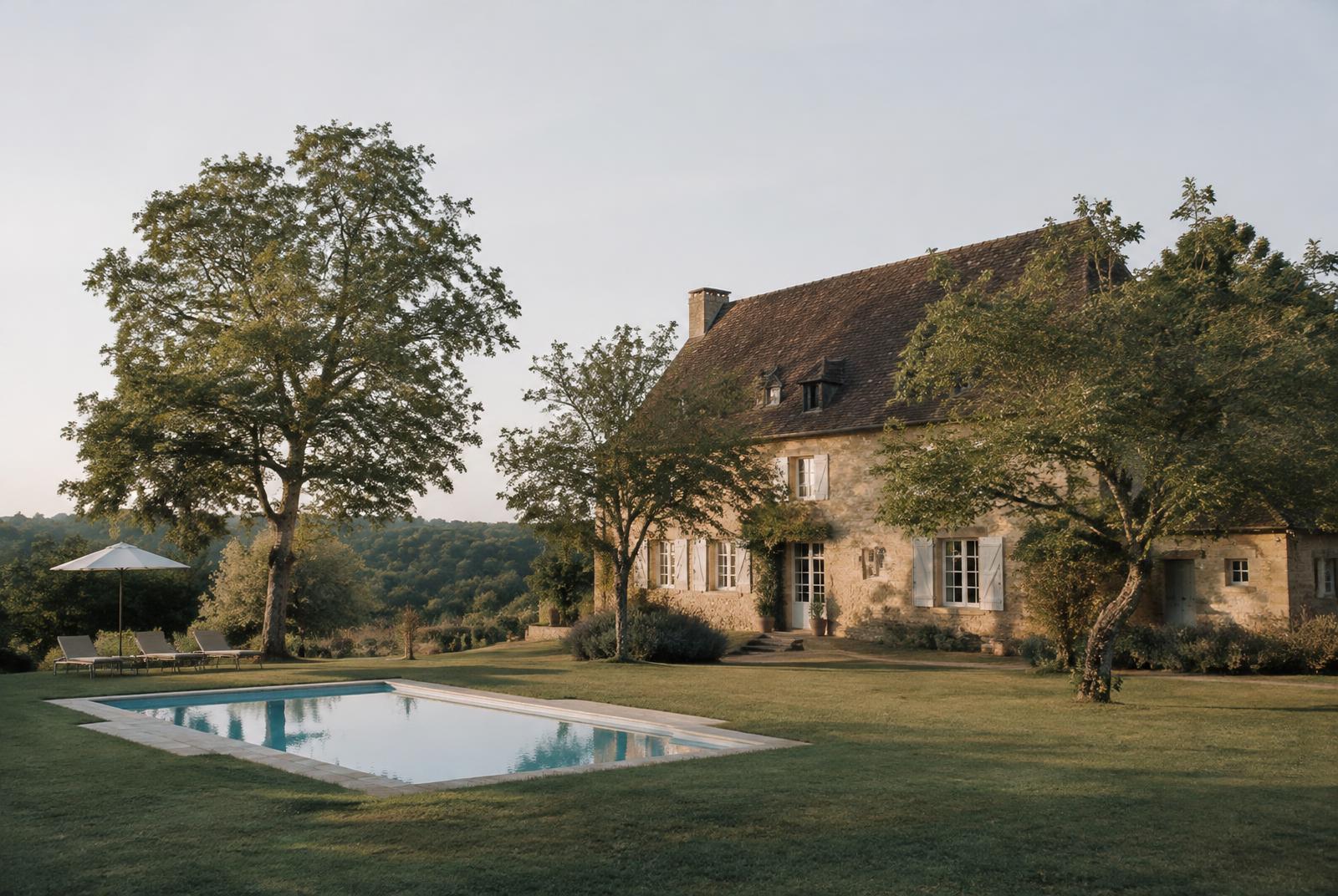
Villa Périgord
Saint-Vincent-de-Cosse · 102 km drive
A great base for river days, castles and Sarlat.
View propertytown · Périgord Vert
Ribérac is a working market town in the western Périgord Vert, with a substantial Friday market, everyday shops and easy access to the Dronne valley. It makes a practical base for a quieter Dordogne stay rather than a concentrated round of the famous southern sights.
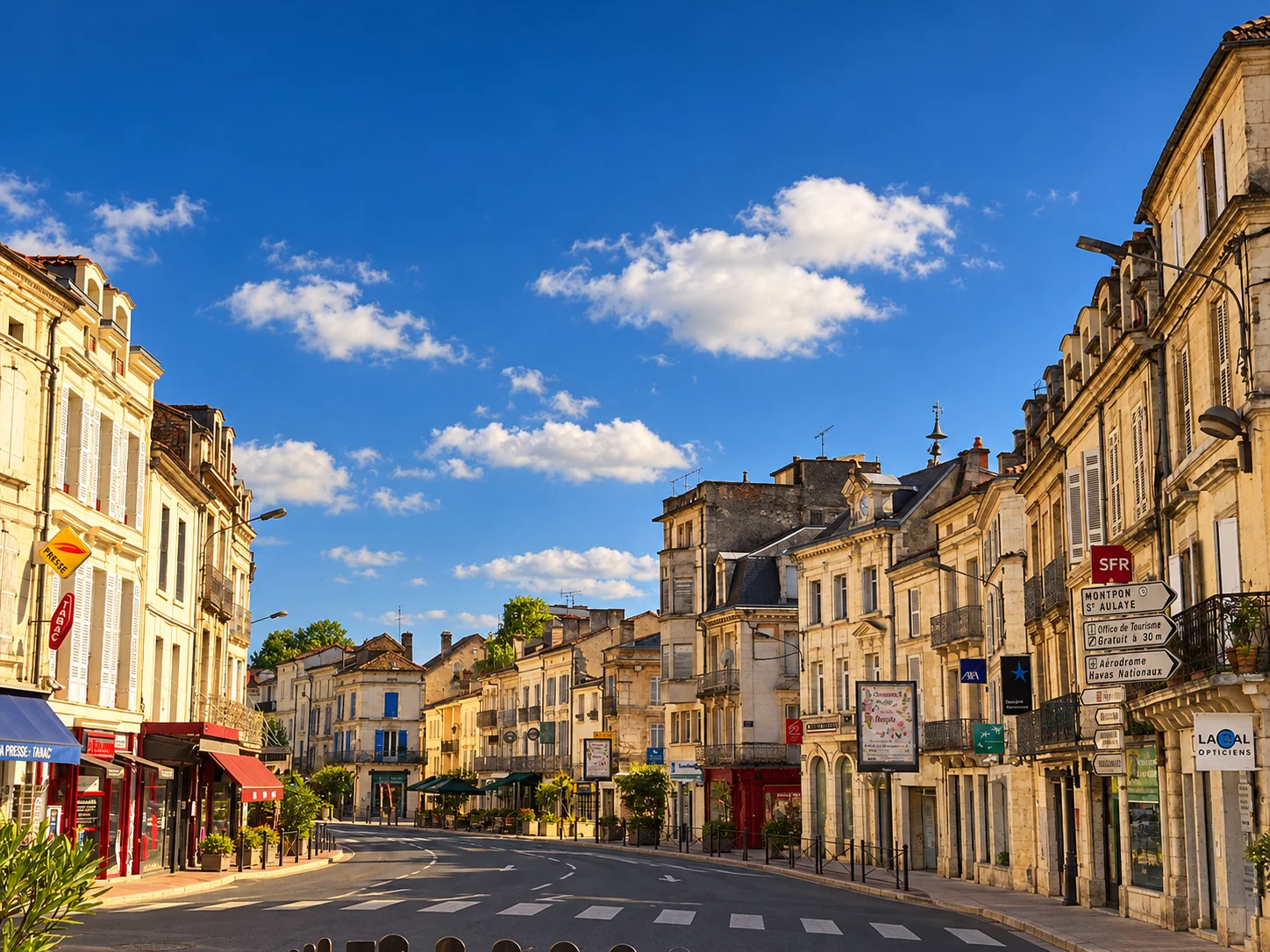
Ribérac is one of the main service towns of the western Périgord Vert. Its centre is a mixture of market squares, shopping streets and older buildings, with a Romanesque collegiate church above it and the Dronne just to the north. Friday morning is the busiest and most rewarding time to come, when the market gives you a clear sense of the town’s role in the surrounding farming country.
As a base, Ribérac suits you if your plans involve village visits, food shopping and days along the Dronne rather than repeated journeys to Sarlat and the Dordogne valley châteaux. It has the everyday facilities that smaller villages lack, while the countryside begins close to the centre. Come for a town that works, not an uninterrupted medieval streetscape.
Where to stayBook direct
Saint-Vincent-de-Cosse · 102 km drive
A great base for river days, castles and Sarlat.
View property
Sarlat-la-Canéda · 120 km drive
Watch the Sarlat market from your window.
View propertyOwners
List directly with Dordogne Direct and hear from guests yourself. No commission and no guest service fees.
List your propertyPlace Nationale is the useful starting point for the commercial centre. The surrounding streets and squares hold most of the shops and cafés you are likely to use on a short visit. This is a working town with through traffic, so expect a mixture of pavements, road crossings and quieter side streets rather than a fully pedestrianised old centre.
The Collégiale Notre-Dame occupies higher ground above the shops. That upper part is easy to miss if you come only for the market, but it gives the walk a different scale and a clearer sense of the older settlement. The modern parish church, Notre-Dame de la Paix, is a separate building and should not be confused with the collegiate church.
The Dronne lies north of the centre, rather than forming the backdrop to the main square. The road crossing towards the northern side of the valley is a useful geographical marker, but Ribérac is not arranged around a continuous riverside promenade. Treat the upper church and the river as separate extensions to your central walk.
Ribérac’s interest is spread between its market centre, two very different churches and its relationship with the river. You do not need a full sightseeing day, but it is worth walking beyond the stalls and main shopping frontage.
Medieval Ribérac developed around a fortified site above the lower town. The surviving collegiate church is the clearest reminder of that early settlement. The castle itself has disappeared, so the historic core does not read as a complete fortress town.
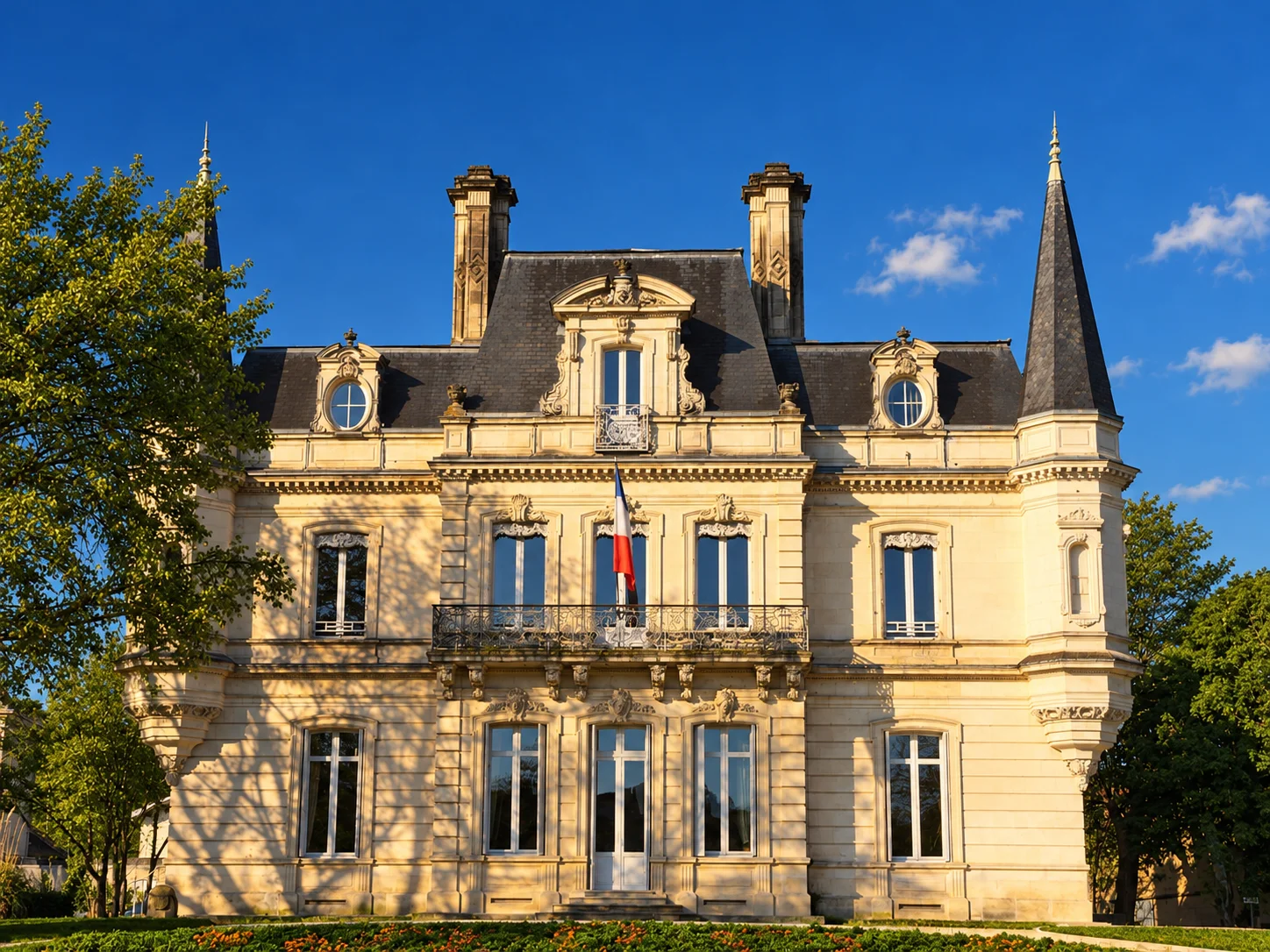
Trade and the needs of the surrounding countryside gradually gave the lower centre its importance. Shops, public buildings and market spaces now define Ribérac as much as its medieval remains. That explains the mixed townscape: older stone buildings sit alongside later commercial frontages and a twentieth-century parish church.
The market is therefore more than an added visitor attraction. It continues the town’s long-standing function as a place where people from the surrounding villages come to buy, sell and deal with everyday errands.
Ribérac has a useful choice of restaurants, cafés and simpler lunch options in the town itself. It is a more dependable place to look for a meal than the smaller surrounding villages, though you should not expect the density of restaurants found in Sarlat or Périgueux.
Look for the familiar Périgord dishes: duck confit, magret, foie gras and potatoes cooked in duck fat. Walnuts, strawberries and cèpes also belong to the regional table, with fresh produce following the season. A bakery lunch is a straightforward alternative if you want to spend the afternoon exploring the valley.
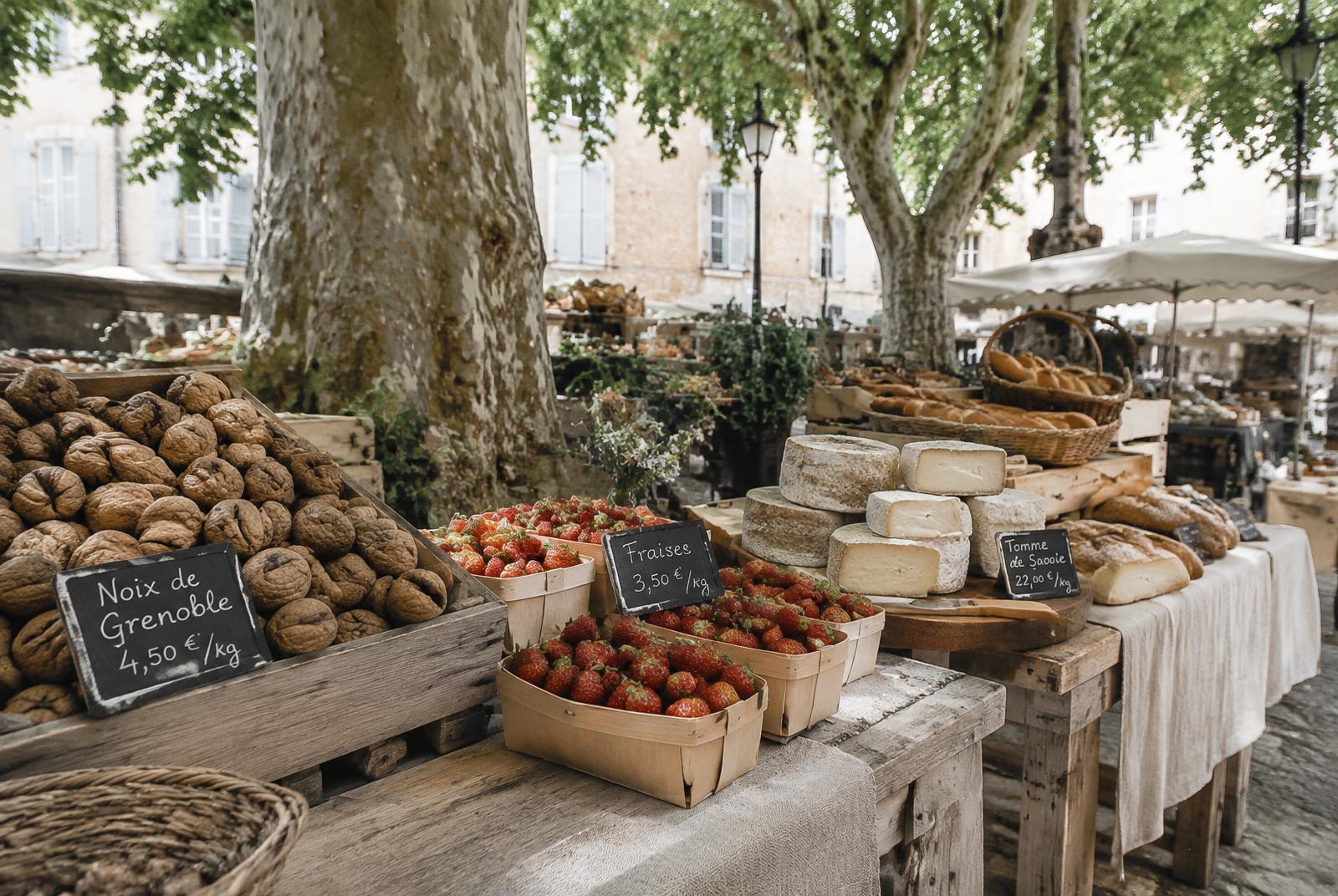
Morning market: Friday (year-round). This is the best time to see Ribérac acting as the centre of its rural catchment, with food shopping taking place alongside the usual town-centre errands. Allow time to browse rather than treating it as a quick stop on the way elsewhere.
For self-catering, the market is a useful complement to the town’s permanent shops. Look for seasonal fruit and vegetables, cheeses and regional produce, then use the bakeries and supermarkets for the rest of your shopping.
If Friday does not fit your plans, nearby verified alternatives are Verteillac on Saturday and Tocane-Saint-Apre on Monday. Verteillac also has a summer night market on Thursday.
Ribérac has bakeries for bread, pastries and a simple lunch, alongside food shops and supermarkets for a full self-catering shop. You can stock up here rather than making a special journey to Périgueux. Larger shopping sites sit outside the compact central streets, so combine a town-centre walk with a separate supermarket stop if needed.
There are pharmacies in Ribérac. For an out-of-hours need, use the local duty-pharmacy information rather than assuming a particular branch will be open. If you are staying in a nearby hamlet, plan to collect bread and other essentials while you are in town rather than assuming the property has shops within walking distance.
Allow two to three hours for a walk through the centre and up to the collegiate church. Friday morning, followed by lunch, makes a fuller half-day. For a quieter look at the buildings, choose another weekday or return to the centre after the market has cleared.
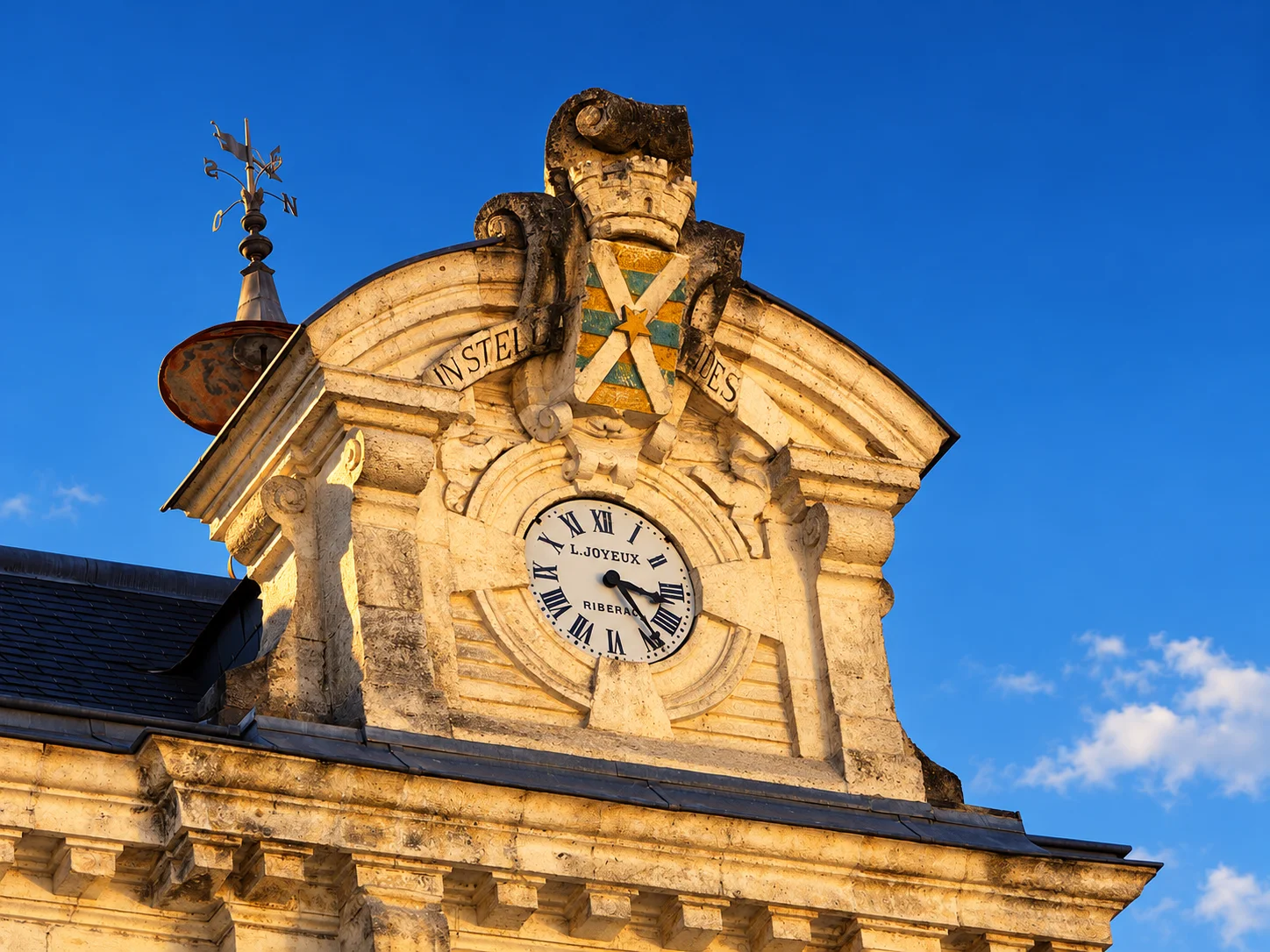
A car is useful for exploring from Ribérac. The town has no passenger railway station, and rural outings are less straightforward by public transport than a glance at the road network might suggest. Périgueux is the more practical rail-connected starting point for this part of the department.
The climb to the collegiate church adds a slope to an otherwise fairly compact visit. If you have limited mobility, concentrate first on the lower centre and assess the upper-town route separately. For a longer stay, remember that Ribérac is well placed for western Dordogne but is not the most efficient base for daily trips to the Périgord Noir.
Aubeterre-sur-Dronne makes a natural western outing, with its hillside streets and Église monolithe Saint-Jean, an underground church cut into the rock. Verteillac is another useful village stop, particularly if you want a shorter outing through the surrounding agricultural landscape.
Follow the Dronne east towards Tocane-Saint-Apre and Bourdeilles. The Château de Bourdeilles brings together a medieval fortress and a Renaissance residence, giving a more substantial historic visit than Ribérac alone. Brantôme can form a separate day out or a longer continuation along the valley.
Périgueux offers the strongest contrast: a larger historic centre, the Cathédrale Saint-Front and more extensive shopping. Choose Bergerac for a different river-town day rather than trying to include it in a Dronne valley circuit. Before setting out, check current attraction opening times, transport information and seasonal event dates with the official tourist office.
City · Périgord Blanc
The capital of the Dordogne, with a domed cathedral, a medieval quarter and Roman remains.
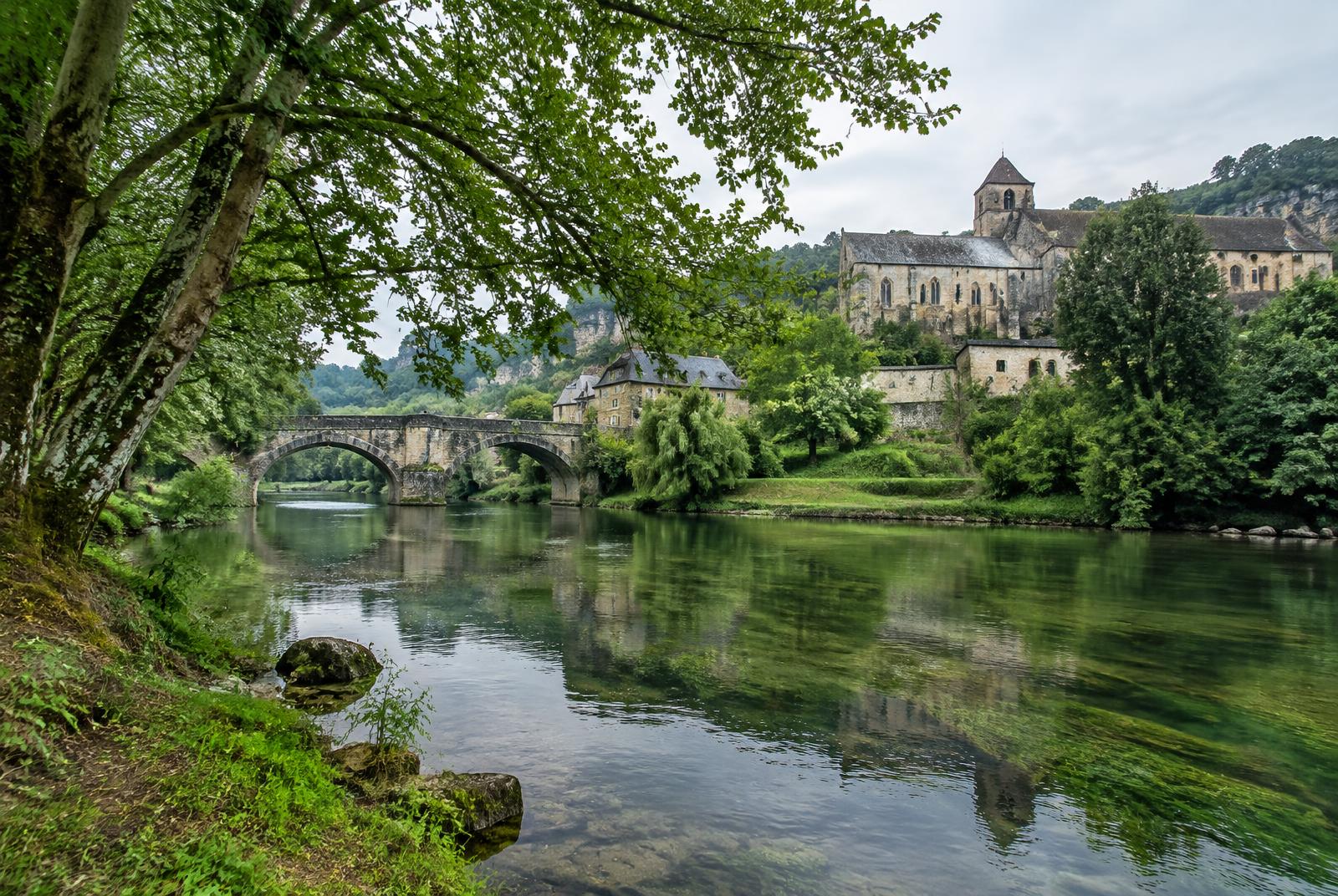
Riverside town · Périgord Vert
A small town on an island in the river Dronne, built around a Benedictine abbey against the cliff.
Wine town · Périgord Pourpre
A river town on the Dordogne at the centre of its own wine country, with a half-timbered old quarter.
Morning market: Friday (year-round). Allow a morning to browse, shop and walk through the centre.
Yes, particularly for the Friday market and a look at a working Périgord town. The Collégiale Notre-Dame adds historic interest, but Ribérac is better suited to a half-day visit than a full day of monuments.
Yes. Ribérac has bakeries, supermarkets and pharmacies, making it a practical place to collect groceries and everyday essentials if you are staying in the surrounding countryside.
Choose a central address if walking to bakeries, restaurants and the Friday market matters most. A direct-from-owner gîte in the surrounding countryside suits a stay focused on outdoor space and village outings, but usually requires a car. For hotels, gîtes and Airbnb-style properties alike, check the precise location and access to shops.
Aubeterre-sur-Dronne, Verteillac, Tocane-Saint-Apre and Bourdeilles fit the local landscape and valley routes. Périgueux and Brantôme make good separate outings. Sarlat and the southern Dordogne châteaux are less convenient for repeated day trips.
Opening times, prices and parking change. Check before you travel: Dordogne Périgord tourism.