
Book direct
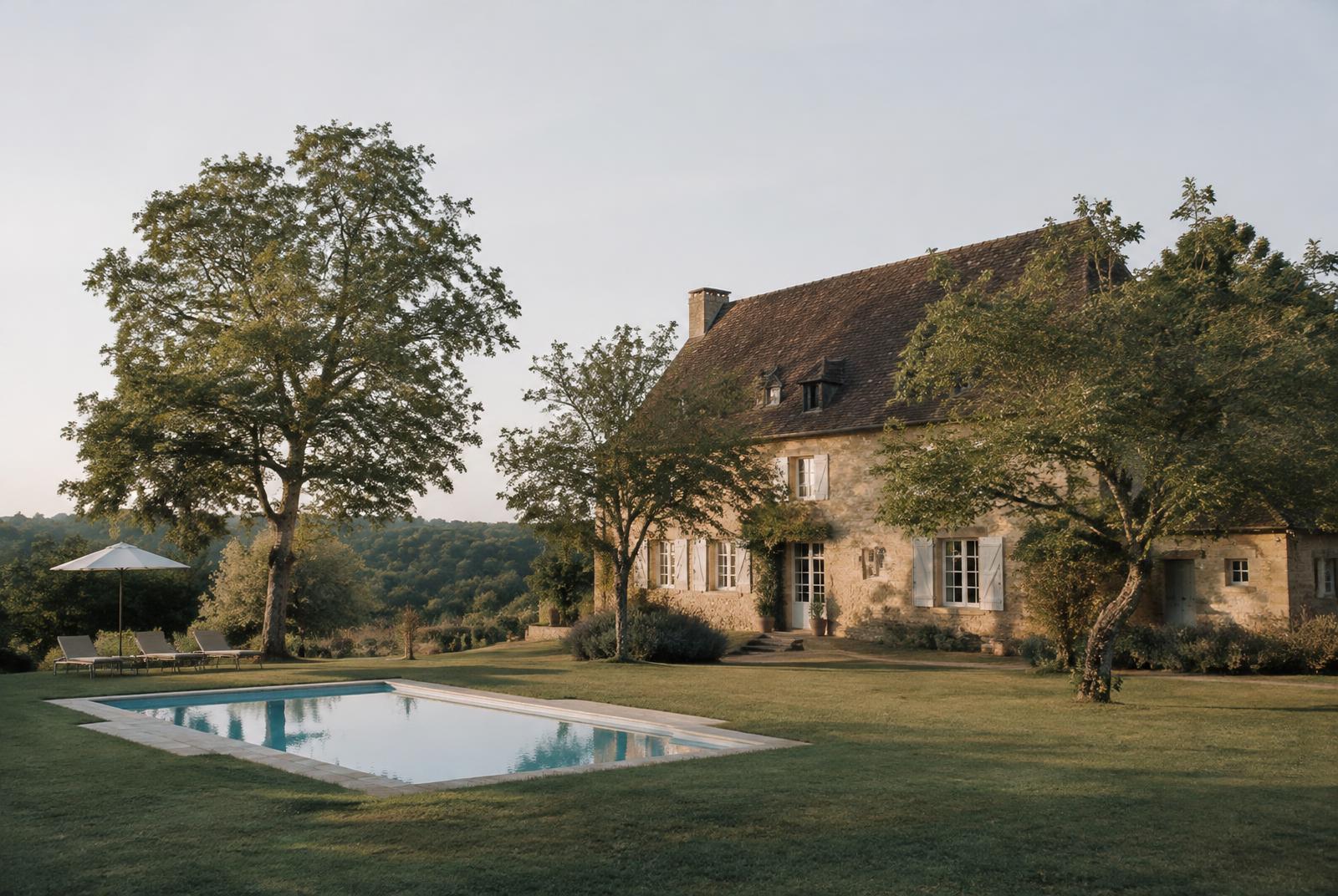
Villa Périgord
Saint-Vincent-de-Cosse · 19 km away
A great base for river days, castles and Sarlat.
View propertyVillage · Périgord Noir
Carlux is a hillside village in the Périgord Noir, with a ruined castle above the Dordogne valley. It suits visitors who want a quieter base between Sarlat and Souillac, with river outings, gardens and historic towns within reach.
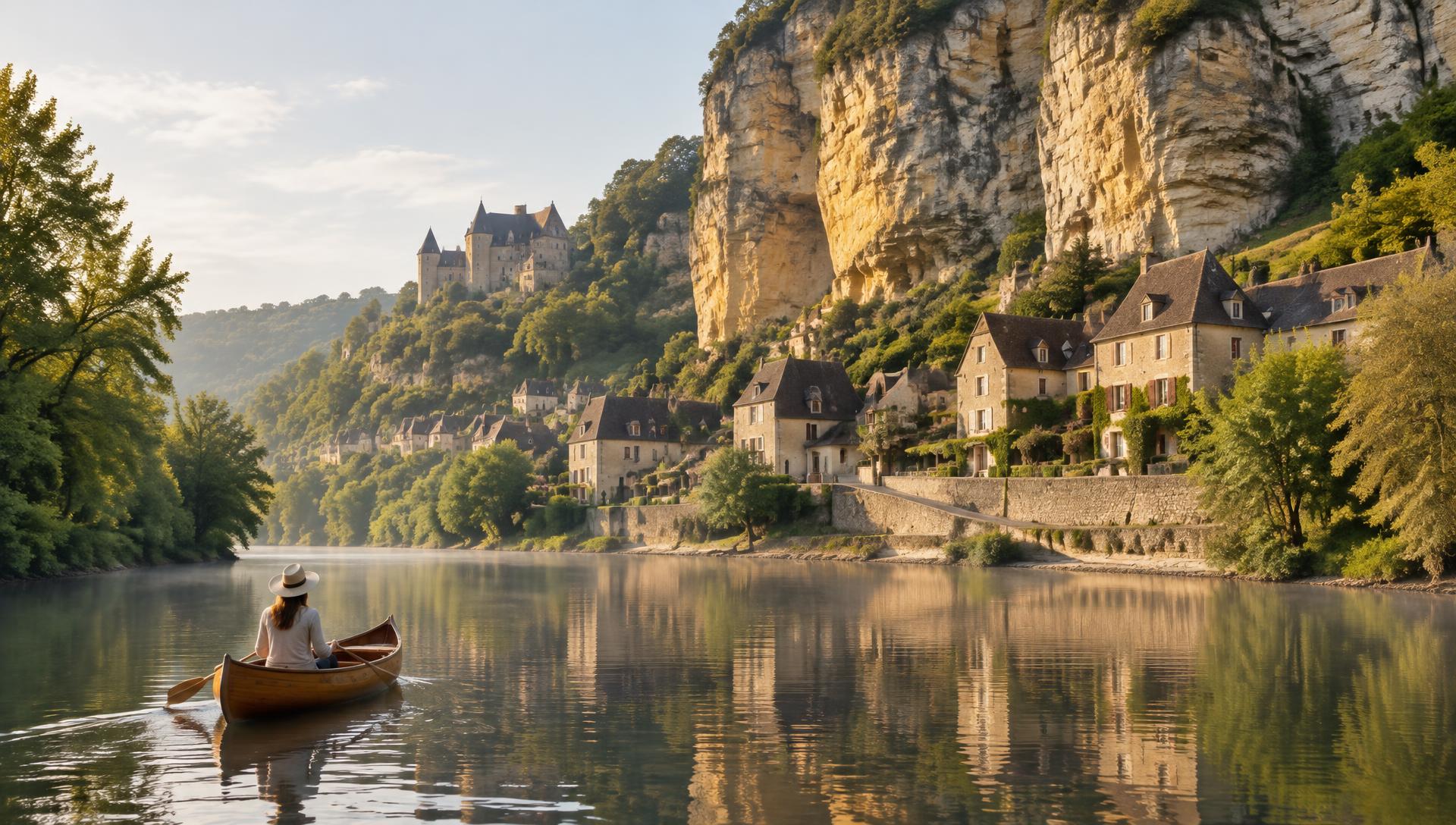
Carlux stands on a hillside above the Dordogne, between Sarlat-la-Canéda and Souillac. Its ruined castle, stone houses and church make a compact village to explore on foot, but the river is not at the bottom of the main square. You need to go downhill to Rouffillac for the bridge, the former railway station and the valley route.
That split explains much of its appeal as a base. You can spend a quiet morning in the village, cycle along the old railway corridor or head towards Sarlat and the better-known Dordogne sights. Carlux works best if you want a village setting and are happy to drive for a wider choice of restaurants, shopping and excursions.
Where to stayBook direct
Saint-Vincent-de-Cosse · 19 km away
A great base for river days, castles and Sarlat.
View property
Sarlat-la-Canéda · 11 km away
Watch the Sarlat market from your window.
View propertyOwners
List directly with Dordogne Direct and hear from guests yourself. No commission and no guest service fees.
List your propertyThe upper village gathers around the Château de Carlux and Église Sainte-Catherine. Short lanes link the stone houses and public buildings, with slopes and changes of level rather than a broad, flat shopping street. The castle is the clearest landmark for finding your way around, and the village rewards a slow circuit rather than a hurried stop at the ruins.
The D61 links the village to Rouffillac, where the D703 follows the Dordogne valley. The Pont de Rouffillac crosses the river towards Saint-Julien-de-Lampon. La Gare Robert Doisneau stands down in this valley corridor, separate from the historic centre. Visitors who stop only by the river miss the village above; those who see only the castle miss Carlux's railway and photographic history.
The castle gives the village its outline, but the smaller details deserve attention too. The church and the unusual medieval chimney help explain why Carlux is more than a viewpoint above the valley.
Down at Rouffillac, the former station adds a different kind of visit. Its photography displays connect the landscape you see today with the Dordogne that Robert Doisneau visited during his holidays.
Carlux grew around a medieval stronghold overlooking the approaches to the Dordogne valley. The castle suffered during the Hundred Years War and the later Wars of Religion, with destruction and dismantling leaving the broken outline you see today. This is not a château remodelled into a grand country residence: its defensive past remains the most visible part of the story.
Around it, the church, old houses and surviving chimney show that Carlux was also a settled community, not simply a military site. Much later, the railway brought another line of activity through the valley below. The station's conversion into La Gare Robert Doisneau gives that transport history a public use, while the former railway corridor now supports walking and cycling.
Carlux belongs to the Périgord Noir food tradition. Look for confit de canard, magret, foie gras and pommes de terre sarladaises, potatoes cooked in duck or goose fat with garlic and parsley. Walnuts are another local staple, appearing in cakes, oils and salads.
Season matters more than an elaborate menu of regional names. Strawberries belong to the warmer months, cèpes depend on woodland conditions and black truffles are a winter speciality. Carlux has a smaller range of places to eat than Sarlat or Souillac, so it makes sense to combine a village meal with food shopping on your wider outings rather than expect a large restaurant quarter.
Morning market: Wednesday (peak season only). This is a seasonal part of village life, not a year-round weekly market.
For a self-catering stay, the market can be part of a village morning rather than a separate sightseeing trip. Outside peak season, plan your food shopping around the wider area, particularly Sarlat and Souillac, rather than assuming the Wednesday stalls will be there.
Allow half a day to see the upper village and La Gare Robert Doisneau without rushing. Add more time for a garden visit or a ride along the valley cycle route. A car makes the different parts of Carlux and its surroundings much easier to combine, particularly if you are staying outside the village.
The upper village has slopes and uneven surfaces, and the castle is a ruin rather than a level indoor attraction. With limited mobility or a pushchair, assess each part of the visit separately. The old railway route below offers a gentler setting, but reaching it from the village is a different matter.
Summer brings more activity to the valley and the seasonal market to the village. Spring and early autumn are good choices for combining village walks with gardens and cycling. Before setting out, check current opening times, seasonal market dates and access arrangements with the relevant official sites.
Carlux is useful if your plans extend both east and west along the Dordogne. Sarlat provides a substantial old-town visit, while Souillac brings you towards the Lot and its different landscape. Domme and La Roque-Gageac suit a separate day farther down the Dordogne valley. You do not need to put all of them into one outing.
There are worthwhile visits closer to Carlux too. Les Jardins de Cadiot are within the commune, Château de Fénelon stands at Sainte-Mondane and the Jardins du Manoir d'Eyrignac are near Salignac-Eyvigues. The valley cycle route offers a change from driving between monuments. As a base, Carlux particularly suits you if a quiet village matters more than walking out each evening to a wide choice of restaurants.
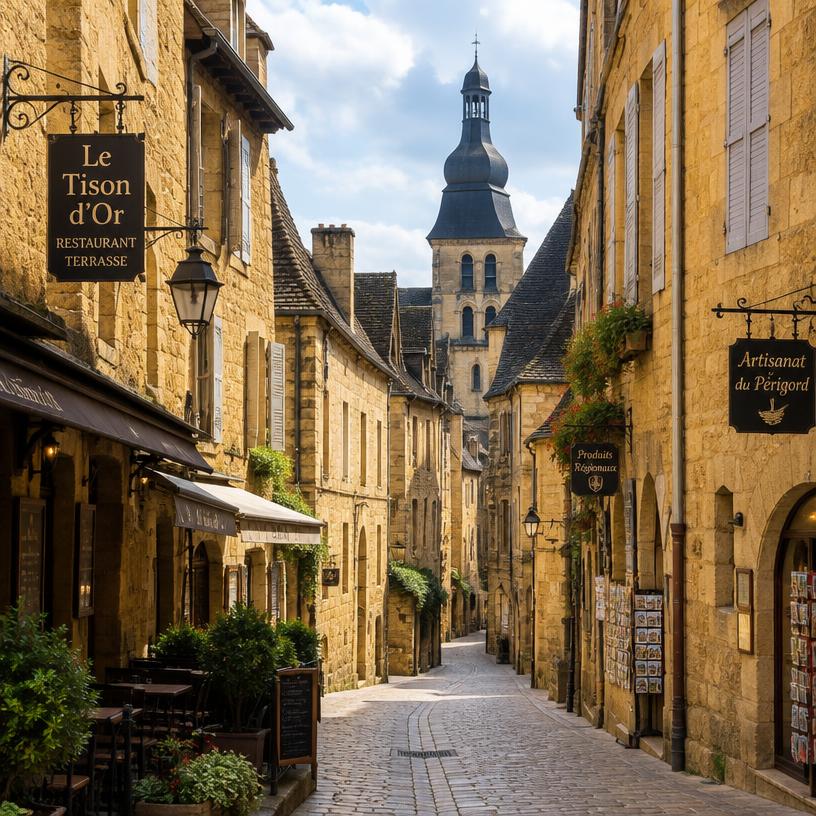
Medieval market town · Périgord Noir
The medieval capital of the Périgord Noir, with honey-coloured stone lanes and one of the region's best-known markets.
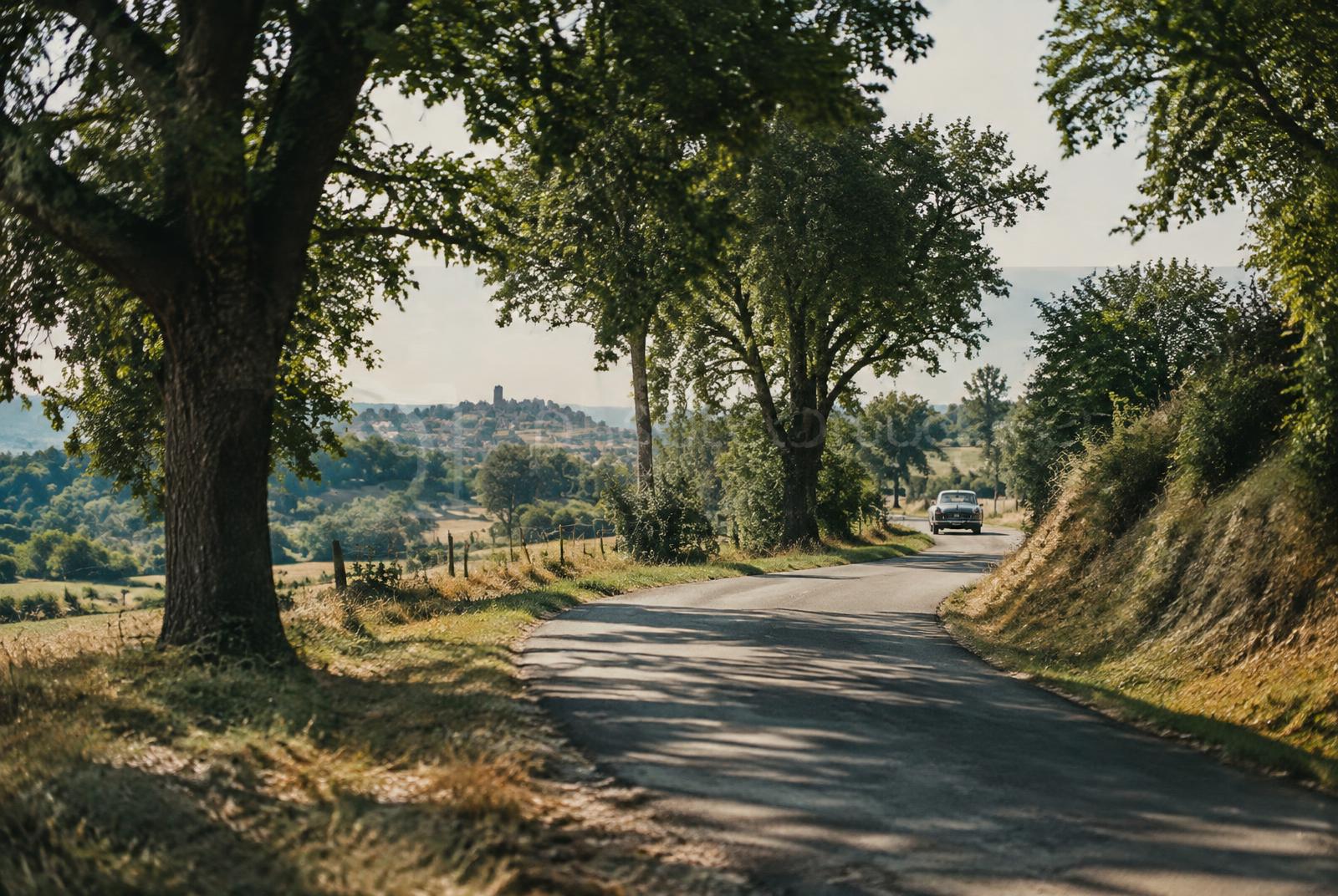
Bastide town · Dordogne Valley
A fortified bastide on a clifftop, with one of the widest views over the Dordogne Valley.
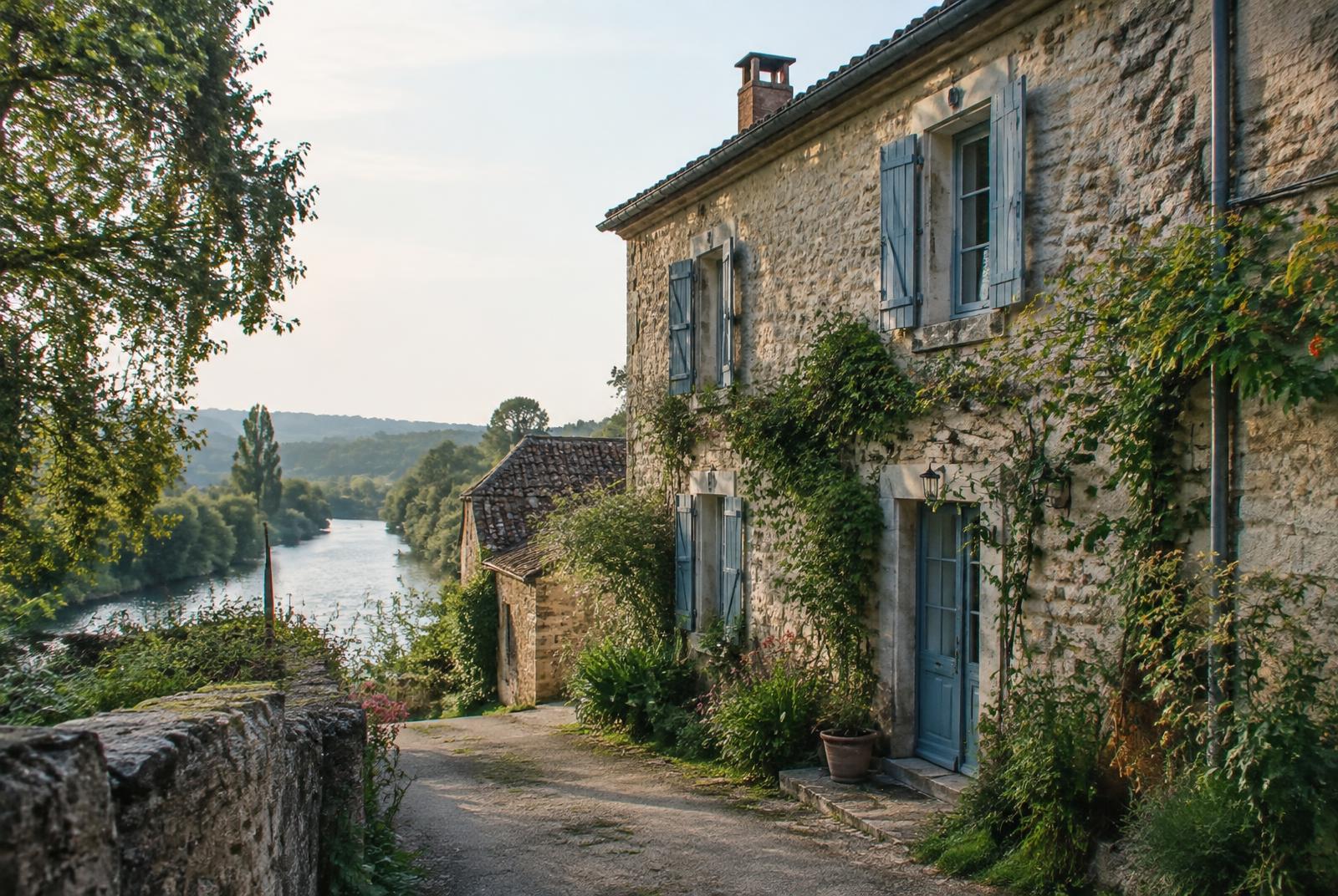
Village · Dordogne Valley
A village built in a narrow strip between the cliff and the river.
Yes, particularly if you enjoy smaller villages and want a quieter outing near Sarlat. Combine the castle ruins, Église Sainte-Catherine and village lanes with La Gare Robert Doisneau down at Rouffillac. Allow half a day for both parts.
Morning market: Wednesday (peak season only).
Carlux is a useful base for Sarlat, Souillac and the eastern Dordogne valley. Nearby outings include Château de Fénelon, Les Jardins de Cadiot and Eyrignac. It suits visitors with a car who prefer a village setting to a larger town.
Use the direct-from-owner property listings on this page to compare the upper village, Rouffillac and the surrounding countryside. Village addresses suit walks around the historic centre, while Rouffillac puts you closer to the river and cycle route. For rural gîtes, check the exact location, road access and whether outdoor facilities are private or shared.
The village stands uphill from the river at Rouffillac, so this is not a flat walk from the centre to a riverside promenade. The connecting road requires care around traffic. For a gentler walk or cycle ride, start down in the valley on the former railway route.
Opening times, prices and parking change. Check before you travel: Pays de Fénelon tourist office, Dordogne Périgord tourism.