
Book direct
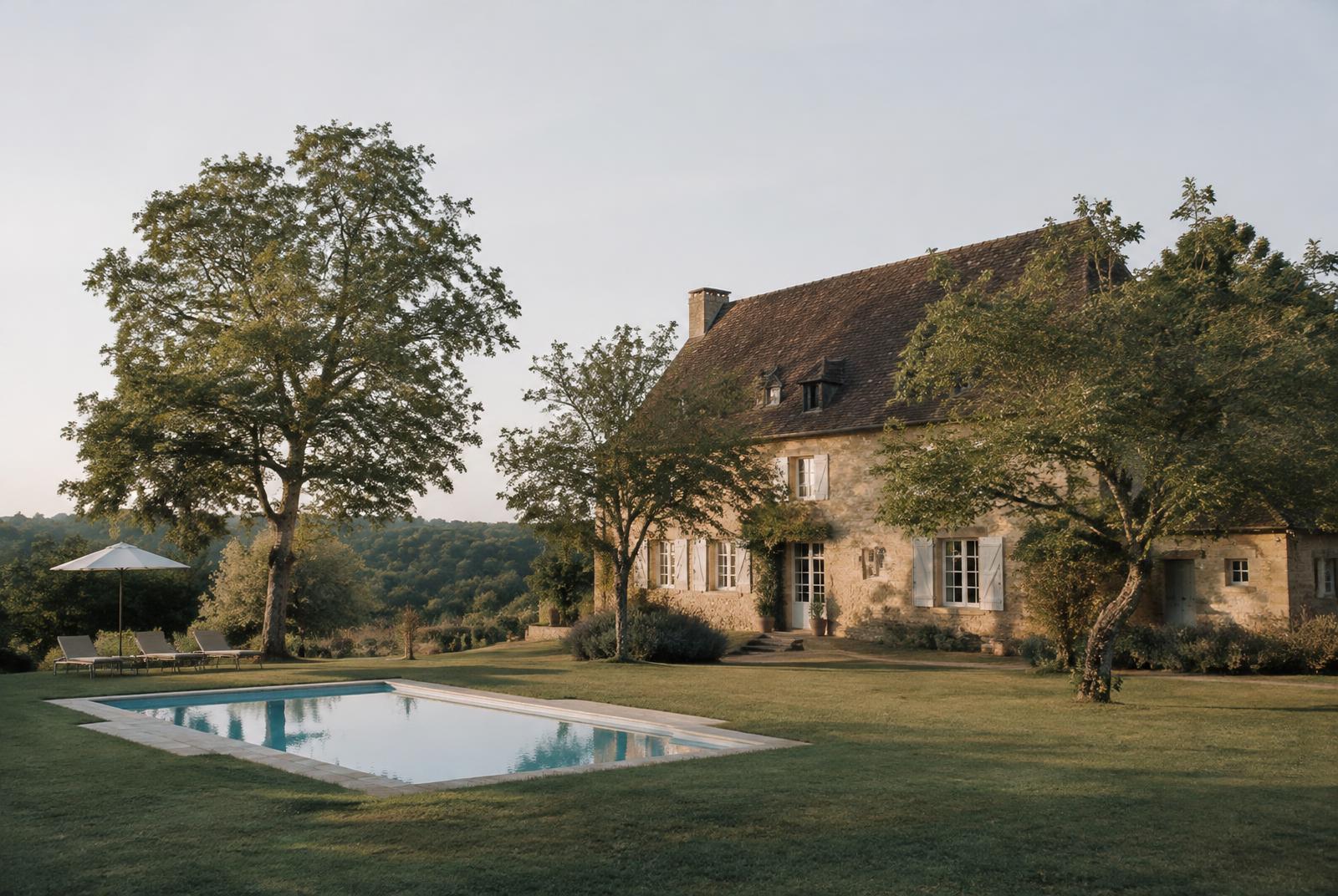
Villa Périgord
Saint-Vincent-de-Cosse · 50 km away
A great base for river days, castles and Sarlat.
View propertyChâteau and wine estate · Périgord Pourpre
Château de Monbazillac brings together a sixteenth-century château, sweet white wine and an open view across the vineyards towards Bergerac.
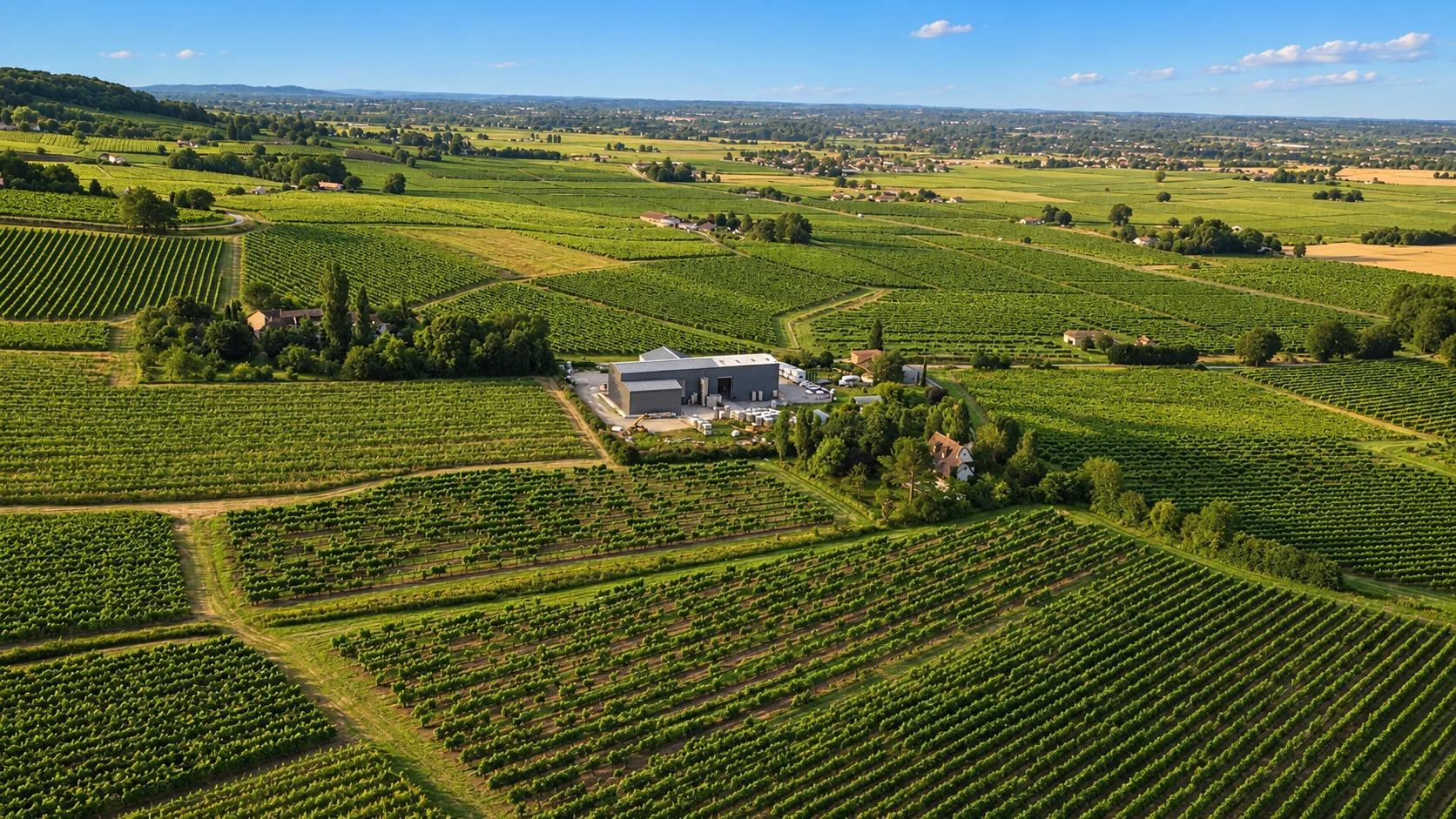
Château de Monbazillac stands above the Dordogne plain, its four round towers rising out of a landscape of vines. Built in the sixteenth century, it combines the outline of a fortified château with the windows and proportions of a Renaissance residence. The view towards Bergerac is part of the visit, not just a backdrop.
Monbazillac is also the name of the village and the sweet white wine appellation surrounding it. The château belongs to the local wine cooperative, so a visit connects the building’s history with the vineyards you have driven through. Allow time for both rather than treating it as a quick photograph on the way out of Bergerac.
Where to stayBook direct
Saint-Vincent-de-Cosse · 50 km away
A great base for river days, castles and Sarlat.
View property
Sarlat-la-Canéda · 58 km away
Watch the Sarlat market from your window.
View propertyOwners
List directly with Dordogne Direct and hear from guests yourself. No commission and no guest service fees.
List your propertyThe château occupies the high ground beside Monbazillac village. This is a compact estate visit rather than a town walk: orient yourself around the château, its visitor facilities and the terrace looking north towards Bergerac. The village centre and Église Saint-Martin are a separate short walk, worth including if you want to see more than the estate.
There is no river crossing at the site. The Dordogne lies below in the plain, with Bergerac providing the useful crossing when you approach from the north. Once at the château, do not stop at the entrance-facing view of the towers. Continue to the Bergerac-facing side, where the relationship between the hilltop vineyards and the river valley becomes clear.
The building, wine interpretation and grounds work best as a single visit. The château is substantial enough to reward a proper look, but it is not a sprawling complex requiring a full day.
Look particularly at the contrast between the round towers and the large residential windows. Those two features tell you more about the building than the word château alone: it was built to express status as well as retain a defensive appearance.
The château dates from around 1550, when defensive forms still carried prestige but wealthy owners increasingly wanted comfortable, well-lit residences. Its towers and substantial walls belong to that older vocabulary, while the domestic façades reflect Renaissance tastes. It is not a medieval fortress rebuilt solely for warfare.
The Cave de Monbazillac cooperative acquired the château in 1960. That ownership explains why wine is central to the visit rather than an unrelated addition. The estate sits within the Monbazillac appellation, recognised in 1936, on the slopes south of Bergerac.
Monbazillac is a sweet white wine made principally from Sémillon, Sauvignon Blanc and Muscadelle. Under suitable autumn conditions, noble rot concentrates the grapes’ sugars and flavours. Selective picking is important because the grapes do not all reach the right condition together. The resulting wines can have notes of honey, apricot and citrus, with acidity balancing their sweetness.
Wine tasting and wine sales are part of the château’s visitor offer, but a tasting is not a lunch stop. On-site café service and designated picnic provision are To be confirmed.
Monbazillac village, a few hundred metres away, is the closest place to look for a meal, though its choice is small. Sweet Monbazillac is traditionally paired with foie gras, but blue cheese and fruit-based desserts are other useful matches to recognise on local menus.
For a fuller choice of restaurants and dependable everyday essentials, use Bergerac, roughly 8 km away. It has groceries, bakeries, pharmacies, cash machines and supermarkets, making it the practical place to stock up before spending time among the vineyards.
Allow around two hours for the château, wine displays and grounds. If you want lunch and a walk into Monbazillac village as well, make this a half-day outing rather than fitting it between several other stops.
A car is the simplest way to combine the estate with the surrounding vineyards. Although Bergerac is close, the approach climbs out of the plain and is not a casual extension of a town-centre walk. Keep the return journey in mind before taking part in a tasting.
The grounds include outdoor walking and exposed viewpoints, while the historic building has a different layout from a modern visitor centre. If steps or uneven surfaces are a concern, ask about the accessible route before travelling. Check the château’s official website for current opening times, visit formats, catering and access arrangements.
Bergerac is the most straightforward pairing. Spend one part of the day in its old centre and beside the Dordogne, then head uphill to Monbazillac for the château and vineyards. The contrast between the river town and the wine-growing slopes makes a coherent day without much driving.
Issigeac offers a different combination: a compact medieval village with curved streets and timber-framed houses, followed by the more open landscape around Monbazillac. Choose one of these pairings if you want time for lunch and the full château visit rather than a sequence of brief stops.
Wine village · Périgord Pourpre
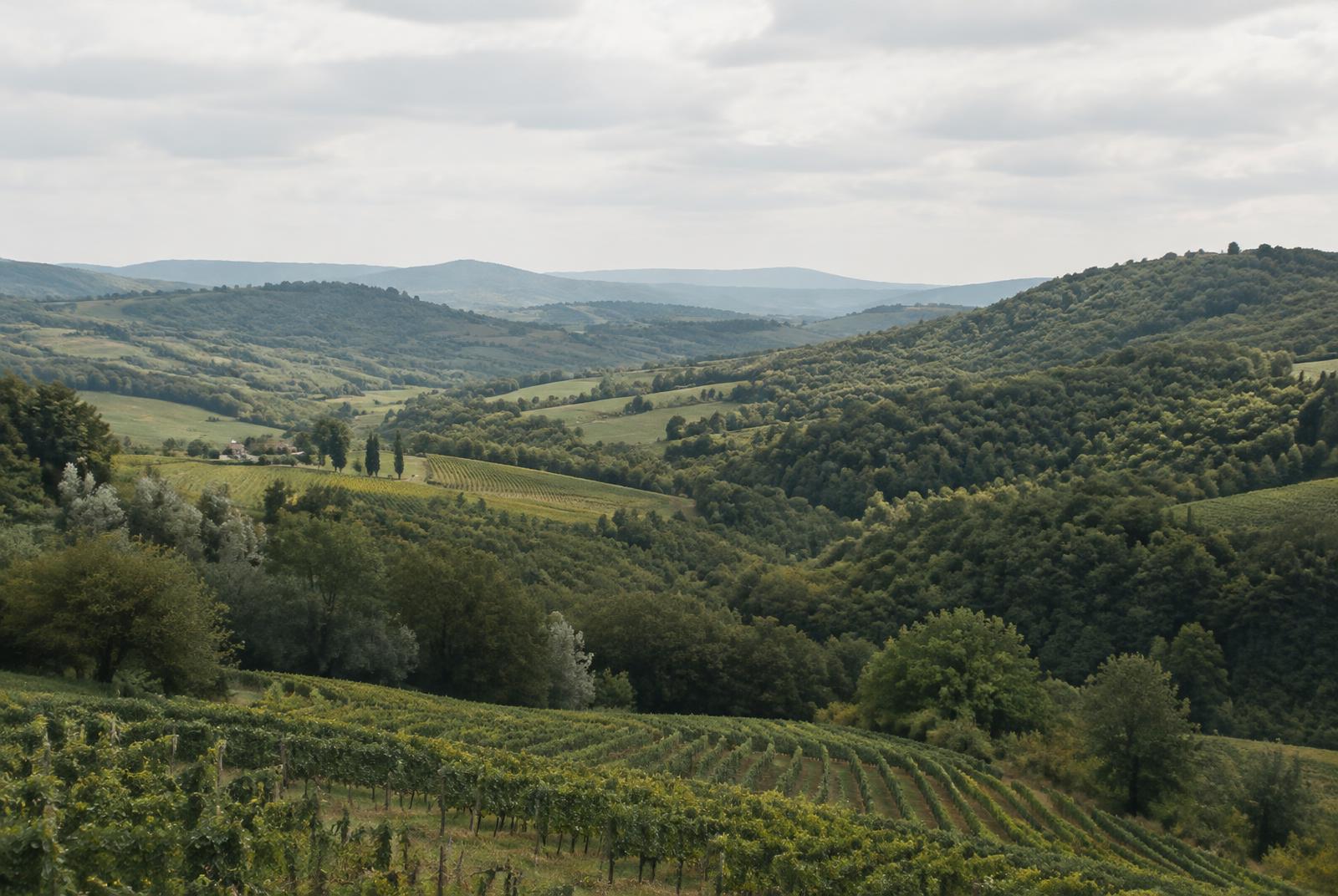
A small wine village on the slopes south of Bergerac, known for its château and its sweet white wine.
Wine town · Périgord Pourpre
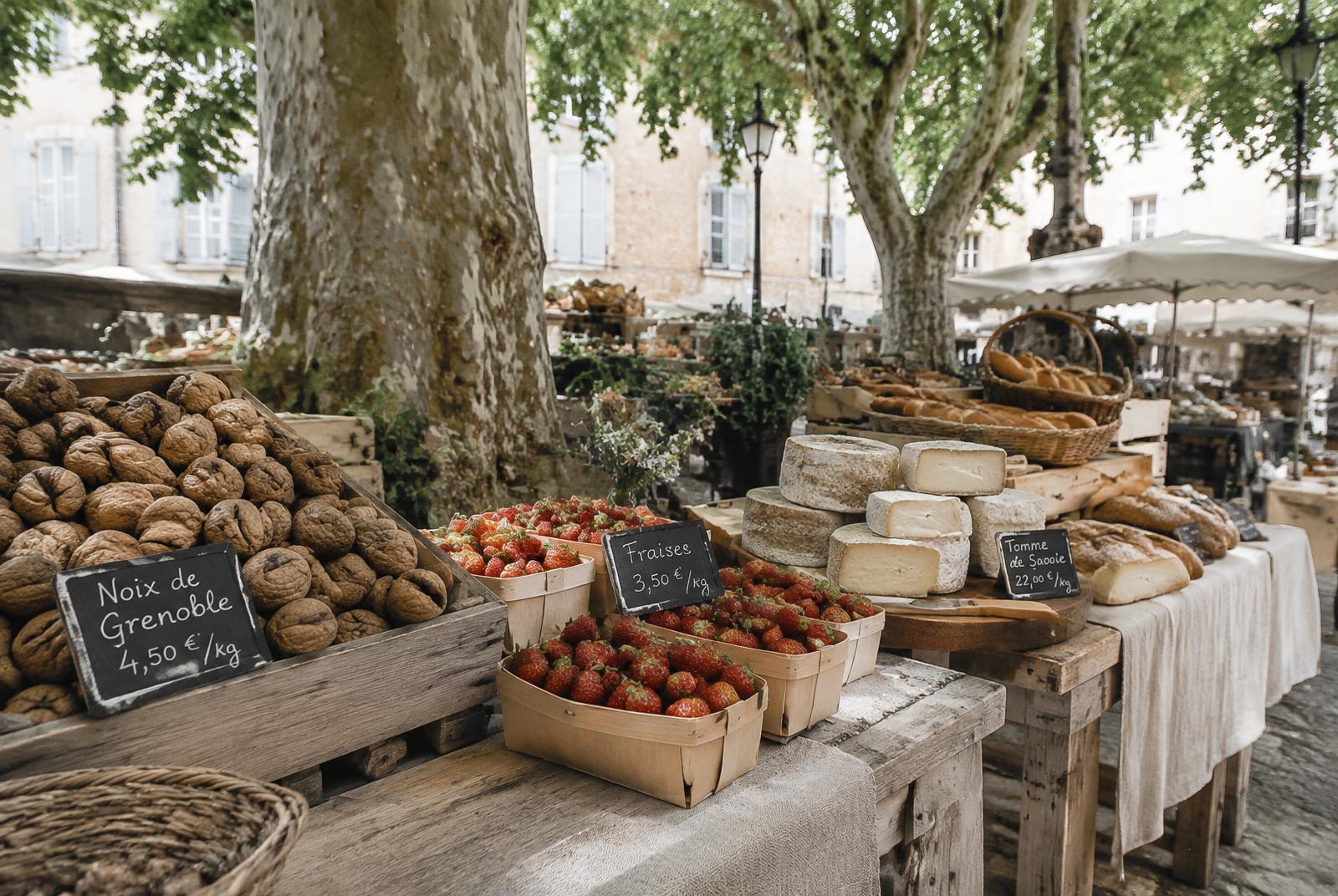
A river town on the Dordogne at the centre of its own wine country, with a half-timbered old quarter.
Medieval village · Périgord Pourpre
A small medieval village of timber-framed houses and winding lanes, known for its Sunday market.
All three. Monbazillac is a village south of Bergerac and the name of a sweet white wine appellation. Château de Monbazillac stands beside the village and combines a historic house visit with wine interpretation and tasting.
Around two hours is a sensible allowance for the château, exhibitions, grounds and tasting. Allow half a day if you also want lunch and a walk into the village.
Yes, if you enjoy historic buildings and vineyard landscapes. The sixteenth-century architecture, château history and view towards Bergerac give the visit substance beyond the tasting.
Monbazillac is a sweet white wine, principally made from Sémillon, Sauvignon Blanc and Muscadelle. Noble rot helps concentrate the grapes, producing wines associated with honeyed and ripe fruit flavours.
No weekly market is listed for the château in our verified calendar. Treat it as a château and wine-estate visit rather than a market stop.
Opening times, prices and parking change. Check before you travel: Château de Monbazillac official website, Dordogne Périgord tourism.